
Nursing practice questions with comprehensive rationales
NurseDive Free Nursing Practice Question
A nurse is using a bladder scanner to measure the bladder volume of a patient who is experiencing frequent urination.
In what position should the nurse place the patient?
A. Sims’ position
Rationale for Choice A: Sims' position is a side-lying position with the lower arm and leg flexed and the upper arm and leg extended. It is not ideal for bladder scanning because it can displace the bladder and potentially lead to inaccurate readings. While it can be used for other purposes, such as inserting rectal suppositories or performing vaginal exams, it's not the optimal choice for bladder scanning.
B. Dorsal recumbent position
Rationale for Choice B: Dorsal recumbent position is a supine position with the knees bent and feet flat on the bed. While it provides some exposure of the bladder, it may not fully visualize the entire bladder due to potential compression from the abdominal contents. This can also result in inaccurate readings.
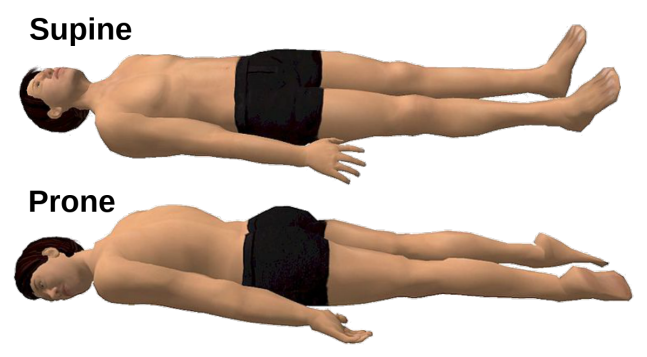
C. Supine position
Rationale for Choice C: Supine position is the best position for bladder scanning because it allows for the most accurate visualization of the bladder. In this position, the patient lies flat on their back with their legs extended. This position allows the bladder to rest naturally in the pelvic cavity, ensuring optimal positioning for the bladder scanner to capture a clear image and provide an accurate measurement of bladder volume. It also promotes patient comfort and relaxation during the procedure.
D. High Fowler’s position
Rationale for Choice D: High Fowler's position is a semi-sitting position with the head of the bed elevated at a 45- to 60-degree angle. This position is not suitable for bladder scanning because it can cause the bladder to shift upward and out of the optimal scanning range. It's typically used for respiratory comfort and procedures involving the head and upper body.
This question is an excerpt from Nurse Dive's nursing test bank - Ivy tech Medical Surgical NRSG 102 Proctored Exam. Take the full exam now
Full Explanation
Rationale for Choice A:
Sims' position is a side-lying position with the lower arm and leg flexed and the upper arm and leg extended. It is not ideal for bladder scanning because it can displace the bladder and potentially lead to inaccurate readings. While it can be used for other purposes, such as inserting rectal suppositories or performing vaginal exams, it's not the optimal choice for bladder scanning.
Rationale for Choice B:
Dorsal recumbent position is a supine position with the knees bent and feet flat on the bed. While it provides some exposure of the bladder, it may not fully visualize the entire bladder due to potential compression from the abdominal contents. This can also result in inaccurate readings.
Rationale for Choice D:
High Fowler's position is a semi-sitting position with the head of the bed elevated at a 45- to 60-degree angle. This position is not suitable for bladder scanning because it can cause the bladder to shift upward and out of the optimal scanning range. It's typically used for respiratory comfort and procedures involving the head and upper body.
Rationale for Choice C:
Supine position is the best position for bladder scanning because it allows for the most accurate visualization of the bladder. In this position, the patient lies flat on their back with their legs extended. This position allows the bladder to rest naturally in the pelvic cavity, ensuring optimal positioning for the bladder scanner to capture a clear image and provide an accurate measurement of bladder volume. It also promotes patient comfort and relaxation during the procedure.
Similar Questions
A senior nursing student has been elected president of the Student Nurses Association.
Which of the following qualities is essential to being a nursing leader?
A. Quality of being independent.
While independence is a valuable quality for nurses, it's not the most essential quality for leadership. Effective leaders must be able to collaborate with others, delegate tasks, and build consensus. They must also be able to recognize when they need to seek help or guidance from others.
B. Quality of having physical stamina.
Physical stamina is important for nurses, as they often work long hours and are on their feet for extended periods. However, it's not the most essential quality for leadership. Leaders need to be able to think clearly, make decisions under pressure, and motivate others, even when they are tired or stressed.
C. Quality of being flexible.
Flexibility is essential for nursing leaders because the healthcare environment is constantly changing. Leaders must be able to adapt to new situations, challenges, and demands. They must also be able to adjust their leadership style to meet the needs of different individuals and teams. Here are some examples of how flexibility is essential for nursing leaders: Managing change: Leaders must be able to effectively manage change, such as new policies, procedures, or technologies. They need to be able to communicate changes clearly, provide support to staff, and ensure that changes are implemented smoothly. Dealing with conflict: Leaders must be able to resolve conflicts effectively, whether between staff members, patients, or families. They need to be able to listen to different perspectives, identify common ground, and find solutions that meet the needs of all parties involved. Adapting to different personalities: Leaders must be able to work with a variety of personalities and work styles. They need to be able to adjust their communication style, provide feedback, and motivate individuals in a way that is tailored to their needs. Responding to crises: Leaders must be able to act quickly and decisively in crisis situations. They need to be able to assess the situation, make decisions, and take action to protect the safety of patients and staff.
D. Quality of being vulnerable.
Vulnerability can be a valuable quality for leaders, as it can help to build trust and rapport with others. However, it's not the most essential quality for leadership. Leaders need to be able to balance vulnerability with strength and confidence.
Full Explanation
Choice A rationale:
While independence is a valuable quality for nurses, it's not the most essential quality for leadership. Effective leaders must be able to collaborate with others, delegate tasks, and build consensus. They must also be able to recognize when they need to seek help or guidance from others.
Choice B rationale:
Physical stamina is important for nurses, as they often work long hours and are on their feet for extended periods. However, it's not the most essential quality for leadership. Leaders need to be able to think clearly, make decisions under pressure, and motivate others, even when they are tired or stressed.
Choice C rationale:
Flexibility is essential for nursing leaders because the healthcare environment is constantly changing. Leaders must be able to adapt to new situations, challenges, and demands. They must also be able to adjust their leadership style to meet the needs of different individuals and teams.
Here are some examples of how flexibility is essential for nursing leaders:
Managing change: Leaders must be able to effectively manage change, such as new policies, procedures, or technologies. They need to be able to communicate changes clearly, provide support to staff, and ensure that changes are implemented smoothly.
Dealing with conflict: Leaders must be able to resolve conflicts effectively, whether between staff members, patients, or families. They need to be able to listen to different perspectives, identify common ground, and find solutions that meet the needs of all parties involved.
Adapting to different personalities: Leaders must be able to work with a variety of personalities and work styles. They need to be able to adjust their communication style, provide feedback, and motivate individuals in a way that is tailored to their needs.
Responding to crises: Leaders must be able to act quickly and decisively in crisis situations. They need to be able to assess the situation, make decisions, and take action to protect the safety of patients and staff.
Choice D rationale:
Vulnerability can be a valuable quality for leaders, as it can help to build trust and rapport with others. However, it's not the most essential quality for leadership. Leaders need to be able to balance vulnerability with strength and confidence.
Based on this finding, which postoperative intervention would be included on the nursing plan of care?
A. Perform sterile dressing changes each morning.
Sterile dressing changes each morning are not directly related to the finding in question. While maintaining sterile dressings is important for postoperative wound care, it's not the primary intervention based on the specific finding you've presented. I'll need more information about the finding to determine the most appropriate rationale for this choice.
B. Administer pain medications as needed.
Administering pain medications as needed is a common postoperative intervention, but it's not always the most crucial one depending on the patient's condition and the specific finding. It's important to assess the patient's pain level and administer medications accordingly, but pain management shouldn't overshadow other essential interventions.
C. Conduct a head-to-toe assessment each shift.
Conducting a head-to-toe assessment each shift is a comprehensive assessment, but it may not be necessary for every postoperative patient in every situation. The frequency and extent of assessments should be tailored to the patient's individual needs and the specific findings.
D. Monitor respirations and breath sounds.
Monitoring respirations and breath sounds is often the most critical postoperative intervention, as it allows for early detection of respiratory complications such as pneumonia, atelectasis, or pulmonary embolism. These complications can be life threatening, so prompt identification and intervention are essential. Specific reasons why monitoring respirations and breath sounds is essential based on the finding (which you haven't provided) could include: Evidence of respiratory distress or compromise Changes in breathing patterns or sounds Decreased oxygen saturation levels Increased work of breathing Risk factors for respiratory complications (e.g., type of surgery, underlying lung disease) I'm ready to provide a more comprehensive rationale for each choice once you share the specific finding that prompted this question.
Full Explanation
Choice A rationale:
Sterile dressing changes each morning are not directly related to the finding in question. While maintaining sterile dressings is important for postoperative wound care, it's not the primary intervention based on the specific finding you've presented. I'll need more information about the finding to determine the most appropriate rationale for this choice.
Choice B rationale:
Administering pain medications as needed is a common postoperative intervention, but it's not always the most crucial one depending on the patient's condition and the specific finding. It's important to assess the patient's pain level and administer medications accordingly, but pain management shouldn't overshadow other essential interventions.
Choice C rationale:
Conducting a head-to-toe assessment each shift is a comprehensive assessment, but it may not be necessary for every postoperative patient in every situation. The frequency and extent of assessments should be tailored to the patient's individual needs and the specific findings.
Choice D rationale:
Monitoring respirations and breath sounds is often the most critical postoperative intervention, as it allows for early detection of respiratory complications such as pneumonia, atelectasis, or pulmonary embolism. These complications can be life threatening, so prompt identification and intervention are essential.
Specific reasons why monitoring respirations and breath sounds is essential based on the finding (which you haven't provided) could include:
Evidence of respiratory distress or compromise
Changes in breathing patterns or sounds
Decreased oxygen saturation levels
Increased work of breathing
Risk factors for respiratory complications (e.g., type of surgery, underlying lung disease)
I'm ready to provide a more comprehensive rationale for each choice once you share the specific finding that prompted this question.
A man with urinary incontinence tells the registered nurse he wears adult incontinence briefs for protection. What potential risks should the registered nurse discuss with this client?
A. Recurring skin breakdown and urinary tract infections.
Skin breakdown: Prolonged exposure to urine, especially in the presence of incontinence briefs, can irritate and macerate the skin, leading to breakdown. Factors contributing to skin breakdown: Moisture from urine: Creates a warm, moist environment ideal for bacterial growth. Disrupts the skin's natural barrier function, making it more susceptible to damage. Friction from incontinence briefs: Can rub against the skin, causing irritation and further damage. Chemical irritants in urine: Ammonia and other substances in urine can further irritate and damage the skin. Signs of skin breakdown: Redness, warmth, tenderness, or swelling of the skin. Blisters, erosions, or ulcers. Pain or discomfort. Prevention of skin breakdown: Frequent changing of incontinence briefs (as soon as they become wet or soiled). Thorough cleansing of the skin with mild soap and water after each change. Application of a skin barrier cream or ointment to protect the skin. Use of breathable incontinence briefs that allow air to circulate. Monitoring of the skin for signs of breakdown and seeking prompt medical attention if any occur. Urinary tract infections (UTIs): Bacteria from the skin can enter the urinary tract through the urethra, leading to infection. Factors increasing UTI risk in those with incontinence: Incomplete bladder emptying: Residual urine in the bladder provides a breeding ground for bacteria. Use of incontinence briefs: Can trap moisture and bacteria near the urethra. Difficulty with personal hygiene: May lead to the spread of bacteria from the skin to the urinary tract. Signs of a UTI: Frequent urination. Pain or burning during urination. Urgency to urinate. Blood in the urine. Cloudy or foul-smelling urine. Prevention of UTIs: Maintaining good personal hygiene. Drinking plenty of fluids to help flush bacteria from the urinary tract. Promptly emptying the bladder when the urge to urinate is felt. Seeking medical attention if any signs of a UTI occur.
B. Recurring foul odor and leakage of briefs.
C. Recurring inability to control urine output.
D. Recurring public embarrassment.
Full Explanation
Skin breakdown:
Prolonged exposure to urine, especially in the presence of incontinence briefs, can irritate and macerate the skin, leading to breakdown.
Factors contributing to skin breakdown:
Moisture from urine:
Creates a warm, moist environment ideal for bacterial growth.
Disrupts the skin's natural barrier function, making it more susceptible to damage.
Friction from incontinence briefs:
Can rub against the skin, causing irritation and further damage.
Chemical irritants in urine:
Ammonia and other substances in urine can further irritate and damage the skin.
Signs of skin breakdown:
Redness, warmth, tenderness, or swelling of the skin.
Blisters, erosions, or ulcers.
Pain or discomfort.
Prevention of skin breakdown:
Frequent changing of incontinence briefs (as soon as they become wet or soiled).
Thorough cleansing of the skin with mild soap and water after each change.
Application of a skin barrier cream or ointment to protect the skin.
Use of breathable incontinence briefs that allow air to circulate.
Monitoring of the skin for signs of breakdown and seeking prompt medical attention if any occur. Urinary tract infections (UTIs):
Bacteria from the skin can enter the urinary tract through the urethra, leading to infection.
Factors increasing UTI risk in those with incontinence:
Incomplete bladder emptying:
Residual urine in the bladder provides a breeding ground for bacteria.
Use of incontinence briefs:
Can trap moisture and bacteria near the urethra.
Difficulty with personal hygiene:
May lead to the spread of bacteria from the skin to the urinary tract.
Signs of a UTI:
Frequent urination.
Pain or burning during urination.
Urgency to urinate.
Blood in the urine.
Cloudy or foul-smelling urine.
Prevention of UTIs:
Maintaining good personal hygiene.
Drinking plenty of fluids to help flush bacteria from the urinary tract.
Promptly emptying the bladder when the urge to urinate is felt.
Seeking medical attention if any signs of a UTI occur.