
Nursing practice questions with comprehensive rationales
NurseDive Free Nursing Practice Question
A nurse manager participates in a quality-improvement committee seeking to reduce the risk of sentinel events in a healthcare facility. When reviewing recently submitted incident reports, which of the following incidents should the nurse identify as a sentinel event?
A. The wrong operation was performed on a patient.
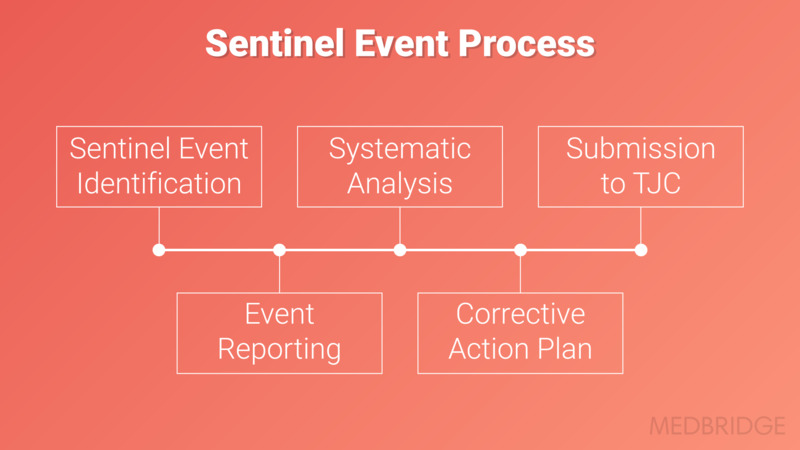
The wrong operation was performed on a patient. This incident is a clear example of a sentinel event. According to The Joint Commission, a sentinel event is a patient safety event that results in death, permanent harm, or severe temporary harm and requires immediate investigation. Performing the wrong operation on a patient is a serious error that can lead to significant harm or even death, making it a sentinel event.
B. A client received an incorrect dose of medication, but it did not result in injury.
A client received an incorrect dose of medication, but it did not result in injury. While administering an incorrect dose of medication is a medication error, it does not qualify as a sentinel event if it does not result in harm. Sentinel events are defined by the severity of the outcome, and in this case, the lack of injury means it does not meet the criteria.
C. A patient complains that a nurse was rude and abrasive.
A patient complains that a nurse was rude and abrasive. Although this behavior is unprofessional and can affect patient satisfaction and trust, it does not constitute a sentinel event. Sentinel events are related to significant harm or risk of harm to the patient, which is not the case here.
D. A nurse withholds a medication upon suspecting that the patient may be allergic to the drug.
A nurse withholds a medication upon suspecting that the patient may be allergic to the drug. This action is a precautionary measure taken to prevent potential harm and is not a sentinel event. In fact, it demonstrates good clinical judgment and adherence to patient safety protocols.
This question is an excerpt from Nurse Dive's nursing test bank - Ati nurs 252 leadership comprensive proctored exam. Take the full exam now
Full Explanation
Choice A Reason:
The wrong operation was performed on a patient. This incident is a clear example of a sentinel event. According to The Joint Commission, a sentinel event is a patient safety event that results in death, permanent harm, or severe temporary harm and requires immediate investigation. Performing the wrong operation on a patient is a serious error that can lead to significant harm or even death, making it a sentinel event.
Choice B Reason:
A client received an incorrect dose of medication, but it did not result in injury. While administering an incorrect dose of medication is a medication error, it does not qualify as a sentinel event if it does not result in harm. Sentinel events are defined by the severity of the outcome, and in this case, the lack of injury means it does not meet the criteria.
Choice C Reason:
A patient complains that a nurse was rude and abrasive. Although this behavior is unprofessional and can affect patient satisfaction and trust, it does not constitute a sentinel event. Sentinel events are related to significant harm or risk of harm to the patient, which is not the case here.
Choice D Reason:
A nurse withholds a medication upon suspecting that the patient may be allergic to the drug. This action is a precautionary measure taken to prevent potential harm and is not a sentinel event. In fact, it demonstrates good clinical judgment and adherence to patient safety protocols.
Similar Questions
A nurse is looking after an unconscious client with a living will. The client’s family inquires if they can modify life-saving measures now that the client is unconscious. What should the nurse say in response?
A. The Patient Self-Determination Act (PSDA) will explain your rights to change life-saving measures.
The Patient Self-Determination Act (PSDA) will explain your rights to change life-saving measures. The PSDA is a federal law that ensures patients are informed of their rights to make decisions about their medical care, including the right to accept or refuse treatment and the right to create an advance directive. However, it does not specifically address the modification of life-saving measures once a patient is unconscious. The living will, which is a type of advance directive, is the document that outlines the patient’s wishes regarding life-saving measures.
B. The living will states the client’s wishes regarding life-saving measures.
The living will states the client’s wishes regarding life-saving measures. This is the correct response. A living will is a legal document that specifies a person’s preferences for medical treatment if they become unable to communicate their decisions. It includes instructions on life-saving measures such as resuscitation, mechanical ventilation, and other interventions. The living will reflects the client’s wishes and should be followed by healthcare providers and family members.
C. The case manager can make changes to the client’s living will.
The case manager can make changes to the client’s living will. This statement is incorrect. A case manager does not have the authority to alter a client’s living will. Changes to a living will can only be made by the client themselves while they are still competent to do so. Once the client is unconscious, the living will remains in effect as it was originally written.
D. The durable power of attorney for health care can cancel the client’s living will.
The durable power of attorney for health care can cancel the client’s living will. This statement is also incorrect. A durable power of attorney for health care (also known as a healthcare proxy) is a person designated to make medical decisions on behalf of the client if they are unable to do so. However, the healthcare proxy must follow the instructions outlined in the living will. They cannot cancel or override the living will unless the document explicitly grants them that authority.
Full Explanation
Choice A Reason:
The Patient Self-Determination Act (PSDA) will explain your rights to change life-saving measures. The PSDA is a federal law that ensures patients are informed of their rights to make decisions about their medical care, including the right to accept or refuse treatment and the right to create an advance directive. However, it does not specifically address the modification of life-saving measures once a patient is unconscious. The living will, which is a type of advance directive, is the document that outlines the patient’s wishes regarding life-saving measures.
Choice B Reason:
The living will states the client’s wishes regarding life-saving measures. This is the correct response. A living will is a legal document that specifies a person’s preferences for medical treatment if they become unable to communicate their decisions. It includes instructions on life-saving measures such as resuscitation, mechanical ventilation, and other interventions. The living will reflects the client’s wishes and should be followed by healthcare providers and family members.
Choice C Reason:
The case manager can make changes to the client’s living will. This statement is incorrect. A case manager does not have the authority to alter a client’s living will. Changes to a living will can only be made by the client themselves while they are still competent to do so. Once the client is unconscious, the living will remains in effect as it was originally written.
Choice D Reason:
The durable power of attorney for health care can cancel the client’s living will. This statement is also incorrect. A durable power of attorney for health care (also known as a healthcare proxy) is a person designated to make medical decisions on behalf of the client if they are unable to do so. However, the healthcare proxy must follow the instructions outlined in the living will. They cannot cancel or override the living will unless the document explicitly grants them that authority.
A nurse is caring for a client who falls in his room. After the nurse assesses the client, notifies the client’s provider, and completes an incident report, which of the following actions should the nurse take?
A. Make a copy of the incident report for the provider.
Making a copy of the incident report for the provider is not necessary. Incident reports are typically used for internal documentation and risk management purposes. They are not part of the patient’s medical record and should not be shared with the provider in this manner. The provider should be notified of the incident through appropriate channels, but a copy of the report is not required.
B. Document in the chart that an incident report has been filed.
Documenting in the chart that an incident report has been filed is inappropriate. The patient’s medical record should contain factual, objective information about the patient’s condition and care. Mentioning that an incident report has been filed can be seen as an admission of liability and is not recommended. The focus should be on documenting the patient’s condition and any care provided as a result of the fall.
C. Place the incident report in the client’s chart.
Placing the incident report in the client’s chart is incorrect. Incident reports are not part of the patient’s medical record and should be kept separate. They are used for internal purposes to improve patient safety and care processes. Including them in the patient’s chart can lead to legal complications and is against best practices.
D. Submit the incident report to the risk manager.
Submitting the incident report to the risk manager is the appropriate action. The risk manager is responsible for reviewing incident reports to identify potential risks and implement measures to prevent future occurrences. This process is crucial for maintaining patient safety and improving healthcare quality.
Full Explanation
Choice A Reason:
Making a copy of the incident report for the provider is not necessary. Incident reports are typically used for internal documentation and risk management purposes. They are not part of the patient’s medical record and should not be shared with the provider in this manner. The provider should be notified of the incident through appropriate channels, but a copy of the report is not required.
Choice B Reason:
Documenting in the chart that an incident report has been filed is inappropriate. The patient’s medical record should contain factual, objective information about the patient’s condition and care. Mentioning that an incident report has been filed can be seen as an admission of liability and is not recommended. The focus should be on documenting the patient’s condition and any care provided as a result of the fall.
Choice C Reason:
Placing the incident report in the client’s chart is incorrect. Incident reports are not part of the patient’s medical record and should be kept separate. They are used for internal purposes to improve patient safety and care processes. Including them in the patient’s chart can lead to legal complications and is against best practices.
Choice D Reason:
Submitting the incident report to the risk manager is the appropriate action. The risk manager is responsible for reviewing incident reports to identify potential risks and implement measures to prevent future occurrences. This process is crucial for maintaining patient safety and improving healthcare quality.
Volunteers in a study are assigned randomly to groups. Some of the volunteers receive an herbal supplement that is reputed to control nausea, and some of the volunteers are assigned to a control group where a placebo is administered. This is an example of a:
A. Meta-analysis.
Meta-analysis. A meta-analysis is a statistical technique that combines the results of multiple scientific studies to identify patterns, discrepancies, or other interesting insights. It is not a primary research method but rather a way to synthesize data from various studies to draw broader conclusions. In this scenario, the study described involves primary data collection through random assignment and intervention, which is not characteristic of a meta-analysis.
B. Cohort study.
Cohort study. A cohort study is an observational study where a group of individuals (the cohort) is followed over time to observe outcomes such as the development of diseases. Participants are not randomly assigned to different groups; instead, they are observed in their natural settings. The described study involves random assignment and a control group, which are not features of a cohort study.
C. Randomized controlled trial.
Randomized controlled trial. A randomized controlled trial (RCT) is a type of scientific experiment that aims to reduce bias when testing the effectiveness of new treatments. Participants are randomly assigned to either the treatment group or the control group, which receives a placebo. This randomization helps ensure that any differences observed between the groups are due to the treatment itself and not other factors. The described study fits this definition perfectly, as it involves random assignment and the use of a placebo control group.
D. Systematic review.
Systematic review. A systematic review is a comprehensive summary of all the available evidence on a specific research question, using a standardized methodology to identify, select, and critically appraise relevant research. It does not involve primary data collection or random assignment of participants. The described study involves conducting an experiment with random assignment, which is not characteristic of a systematic review.
Full Explanation
Choice A Reason:
Meta-analysis. A meta-analysis is a statistical technique that combines the results of multiple scientific studies to identify patterns, discrepancies, or other interesting insights. It is not a primary research method but rather a way to synthesize data from various studies to draw broader conclusions. In this scenario, the study described involves primary data collection through random assignment and intervention, which is not characteristic of a meta-analysis.
Choice B Reason:
Cohort study. A cohort study is an observational study where a group of individuals (the cohort) is followed over time to observe outcomes such as the development of diseases. Participants are not randomly assigned to different groups; instead, they are observed in their natural settings. The described study involves random assignment and a control group, which are not features of a cohort study.
Choice C Reason:
Randomized controlled trial. A randomized controlled trial (RCT) is a type of scientific experiment that aims to reduce bias when testing the effectiveness of new treatments. Participants are randomly assigned to either the treatment group or the control group, which receives a placebo. This randomization helps ensure that any differences observed between the groups are due to the treatment itself and not other factors. The described study fits this definition perfectly, as it involves random assignment and the use of a placebo control group.
Choice D Reason:
Systematic review. A systematic review is a comprehensive summary of all the available evidence on a specific research question, using a standardized methodology to identify, select, and critically appraise relevant research. It does not involve primary data collection or random assignment of participants. The described study involves conducting an experiment with random assignment, which is not characteristic of a systematic review.