Nursing practice questions with comprehensive rationales
NurseDive Free Nursing Practice Question
A nurse on a medical-surgical unit is performing an admission assessment of a client who has COPD with emphysema. The client reports that he has a frequent productive cough and is short of breath. The nurse should anticipate which of the following assessment findings for this client?
A. Oxygen saturation level 96%
Oxygen saturation level 96% is within the normal range of 95% to 100% and does not indicate hypoxemia or impaired gas exchange. Clients who have COPD with emphysema typically have lower oxygen saturation levels, ranging from 88% to 92%.
B. Respiratory alkalosis
Respiratory alkalosis is a condition in which the blood pH is elevated due to decreased carbon dioxide levels. It is caused by hyperventilation, which can occur in response to hypoxia, anxiety, or pain. Clients who have COPD with emphysema usually have respiratory acidosis, which is a condition in which the blood pH is lowered due to increased carbon dioxide levels. It is caused by hypoventilation, which results from impaired lung function and airway obstruction.
C. Increased anteroposterior diameter of the chest
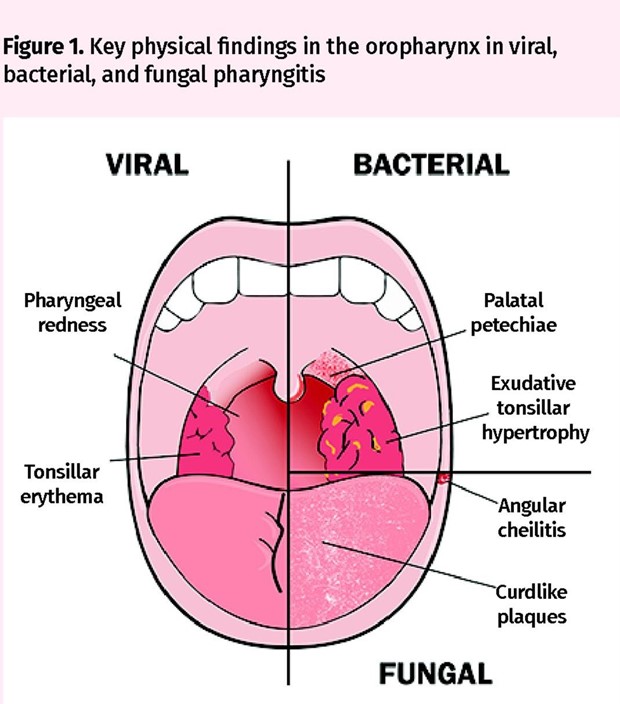
Increased anteroposterior diameter of the chest, also known as barrel chest, is a common finding in clients who have COPD with emphysema. It is caused by chronic air trapping and hyperinflation of the lungs, which results in fattening of the diaphragm and widening of the rib cage.
D. Petechiae on chest
Petechiae on chest are small red or purple spots on the skin caused by bleeding from capillaries. They are not a typical finding in clients who have COPD with emphysema, unless they have severe coughing episodes or coagulation disorders. They can indicate infection, inflammation, trauma, or vascular disease.
This question is an excerpt from Nurse Dive's nursing test bank - ATI Med Surg Proctored Exam 1. Take the full exam now
Full Explanation
Increased anteroposterior diameter of the chest, also known as barrel chest, is a common finding in clients who have COPD with emphysema. It is caused by chronic air trapping and hyperinflation of the lungs, which results in fattening of the diaphragm and widening of the rib cage.
a) Oxygen saturation level 96% is within the normal range of 95% to 100% and does not indicate hypoxemia or impaired gas exchange. Clients who have COPD with emphysema typically have lower oxygen saturation levels, ranging from 88% to 92%.
b) Respiratory alkalosis is a condition in which the blood pH is elevated due to decreased carbon dioxide levels. It is caused by hyperventilation, which can occur in response to hypoxia, anxiety, or pain. Clients who have COPD with emphysema usually have respiratory acidosis, which is a condition in which the blood pH is lowered due to increased carbon dioxide levels. It is caused by hypoventilation, which results from impaired lung function and airway obstruction.
d) Petechiae on chest are small red or purple spots on the skin caused by bleeding from capillaries. They are not a typical finding in clients who have COPD with emphysema, unless they have severe coughing episodes or coagulation disorders. They can indicate infection, inflammation, trauma, or vascular disease.
Similar Questions
A nurse is caring for a client who has asthma and is taking fluticasone. The nurse should monitor the client
for which of the following adverse effects?
A. Polyuria
Polyuria, or excessive urination, is not an adverse effect of fluticasone. It can be caused by diabetes mellitus, diabetes insipidus, diuretics, or kidney disease.
B. Hypoglycemia
Hypoglycemia, or low blood glucose level, is not an adverse effect of fluticasone. It can be caused by insulin overdose, oral hypoglycemic agents, alcohol intake, or prolonged fasting.
C. Hypertension
Hypertension, or high blood pressure, is not an adverse effect of fluticasone. It can be caused by stress, obesity, smoking, salt intake, or kidney disease.
D. Oral candidiasis
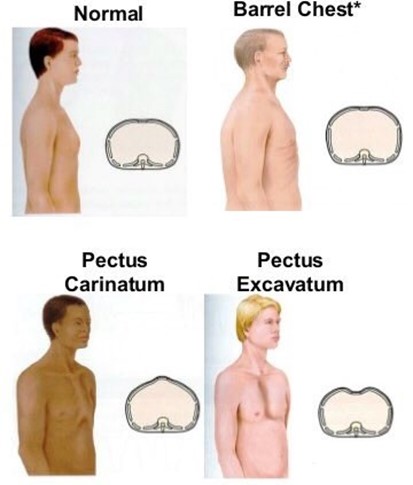
Oral candidiasis, also known as thrush, is a fungal infection of the mouth caused by Candida albicans. It is a common adverse effect of inhaled corticosteroids, such as fluticasone, which can suppress the normal flora of the oral cavity and create a favorable environment for fungal growth. It manifests as white patches or plaques on the tongue, palate, or cheeks that can be scraped off.
Full Explanation
Oral candidiasis, also known as thrush, is a fungal infection of the mouth caused by Candida albicans. It is a common adverse effect of inhaled corticosteroids, such as fluticasone, which can suppress the normal flora of the oral cavity and create a favorable environment for fungal growth. It manifests as white patches or plaques on the tongue, palate, or cheeks that can be scraped off.
a) Polyuria, or excessive urination, is not an adverse effect of fluticasone. It can be caused by diabetes mellitus, diabetes insipidus, diuretics, or kidney disease.
b) Hypoglycemia, or low blood glucose level, is not an adverse effect of fluticasone. It can be caused by
insulin overdose, oral hypoglycemic agents, alcohol intake, or prolonged fasting.
c) Hypertension, or high blood pressure, is not an adverse effect of fluticasone. It can be caused by stress, obesity, smoking, salt intake, or kidney disease.
A nurse is caring for a client who has just developed a pulmonary embolism. Which of the following medications should the nurse anticipate administering?
A. Dexamethasone
Dexamethasone is a corticosteroid that reduces inflammation and suppresses immune response. It is not indicated for treating pulmonary embolism, but it may be used for other pulmonary conditions, such as asthma or COPD.
B. Atropine
Atropine is an anticholinergic that blocks the action of acetylcholine and increases heart rate and cardiac output. It is not indicated for treating pulmonary embolism, but it may be used for bradycardia or asystole.
C. Heparin
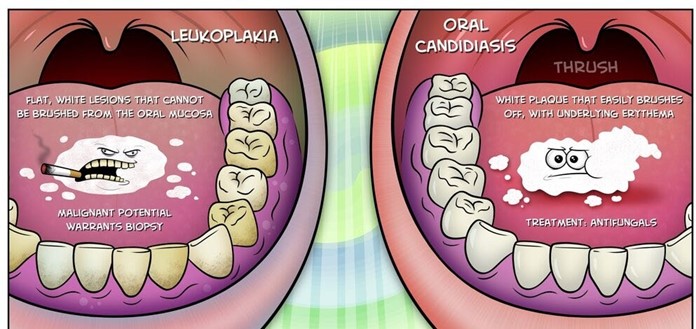
Heparin is an anticoagulant that prevents the formation of new clots and the extension of existing clots. It is the drug of choice for treating acute pulmonary embolism, which is a life-threatening condition caused by a blood clot that travels to the lungs and blocks a pulmonary artery.
D. Furosemide
Furosemide is a loop diuretic that increases urine output and reduces fluid volume and blood pressure. It is not indicated for treating pulmonary embolism, but it may be used for heart failure or edema.
Full Explanation
Heparin is an anticoagulant that prevents the formation of new clots and the extension of existing clots. It is the drug of choice for treating acute pulmonary embolism, which is a life-threatening condition caused by a blood clot that travels to the lungs and blocks a pulmonary artery.
a) Dexamethasone is a corticosteroid that reduces inflammation and suppresses immune response. It is not indicated for treating pulmonary embolism, but it may be used for other pulmonary conditions, such as asthma or COPD.
b) Atropine is an anticholinergic that blocks the action of acetylcholine and increases heart rate and cardiac output. It is not indicated for treating pulmonary embolism, but it may be used for bradycardia or asystole.
d) Furosemide is a loop diuretic that increases urine output and reduces fluid volume and blood pressure. It is not indicated for treating pulmonary embolism, but it may be used for heart failure or edema.
A nurse is providing teaching to the parents of a child who has streptococcal pharyngitis about ways to prevent disease transmission. Which of the following responses by the parents indicates an understanding of the teaching?
A. "We'll continue to encourage him to drink lots of fluids."
Encouraging the child to drink lots of fluids is a way to promote hydration and soothe the throat, but it does not prevent disease transmission. The child should avoid sharing cups or utensils with others and use disposable tissues or paper towels.
B. "We'll take his temperature every 4 hours."
Taking the child's temperature every 4 hours is a way to monitor fever, but it does not prevent disease transmission. The thermometer should be cleaned and disinfected after each use and not shared with others.
C. "We'll discard his toothbrush and buy another."
Discarding the toothbrush and buying another is a way to prevent disease transmission, as the toothbrush can harbor bacteria and reinfect the child or spread the infection to others. The toothbrush should be discarded after 24 hours of antibiotic therapy.
D. "We'll give him Tylenol for the pain."
Giving the child Tylenol for the pain is a way to relieve discomfort, but it does not prevent disease transmission. The medication should be administered according to the label instructions and not shared with others.
Full Explanation
Discarding the toothbrush and buying another is a way to prevent disease transmission, as the toothbrush can harbor bacteria and reinfect the child or spread the infection to others. The toothbrush should be discarded after 24 hours of antibiotic therapy.
a) Encouraging the child to drink lots of fluids is a way to promote hydration and soothe the throat, but it does not prevent disease transmission. The child should avoid sharing cups or utensils with others and use disposable tissues or paper towels.
b) Taking the child's temperature every 4 hours is a way to monitor fever, but it does not prevent disease transmission. The thermometer should be cleaned and disinfected after each use and not shared with others.
d) Giving the child Tylenol for the pain is a way to relieve discomfort, but it does not prevent disease transmission. The medication should be administered according to the label instructions and not shared with others.