
Nursing practice questions with comprehensive rationales
NurseDive Free Nursing Practice Question
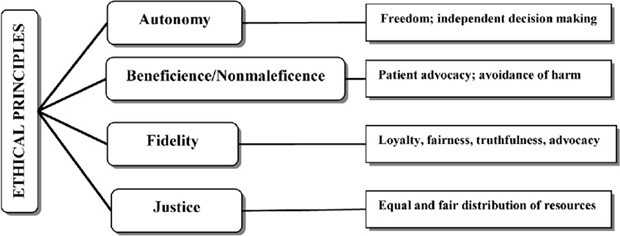
A nurse on an inpatient mental health unit is caring for a group of clients. Which of the following actions by the nurse demonstrates the ethical concept of autonomy?
A. Spending extra time to calm an agitated client
Spending extra time to calm an agitated client demonstrates the ethical principle of beneficence, which is the duty to promote the well-being and welfare of the client.
B. Ensuring that a client understands expectations for group participation
Ensuring that a client understands expectations for group participation relates to the ethical principle of fidelity, which involves maintaining trust and keeping promises to the client.
C. Describing the adverse effects of a client's medications
Describing the adverse effects of a client's medications is important for informed consent and promoting understanding, but it does not directly involve the client's autonomy unless it is accompanied by a discussion of the client's choices and preferences regarding medication.
D. Importing a client's wishes to refuse prescribed treatments
Autonomy is the ethical principle that upholds an individual's right to make decisions about their own care and treatment. Respecting autonomy means acknowledging and honoring a person's right to make choices based on their own values, beliefs, and preferences. By importing a client's wishes to refuse prescribed treatments, the nurse is recognizing and respecting the client's autonomy. This shows that the nurse values the client's right to make decisions about their own healthcare and supports their choice, even if it may differ from what the nurse may recommend. Incorrect:
This question is an excerpt from Nurse Dive's nursing test bank - LPN ATI Mental Health Proctored Exam. Take the full exam now
Full Explanation
Autonomy is the ethical principle that upholds an individual's right to make decisions about their own care and treatment. Respecting autonomy means acknowledging and honoring a person's right to make choices based on their own values, beliefs, and preferences. By importing a client's wishes to refuse prescribed treatments, the nurse is recognizing and respecting the client's autonomy. This shows that the nurse values the client's right to make decisions about their own healthcare and supports their choice, even if it may differ from what the nurse may recommend.
Incorrect:
A. Spending extra time to calm an agitated client demonstrates the ethical principle of beneficence, which is the duty to promote the well-being and welfare of the client.
B. Ensuring that a client understands expectations for group participation relates to the ethical principle of fidelity, which involves maintaining trust and keeping promises to the client.
C. Describing the adverse effects of a client's medications is important for informed consent and promoting understanding, but it does not directly involve the client's autonomy unless it is accompanied by a discussion of the client's choices and preferences regarding medication.
Similar Questions
A nurse on a mental health unit is participating in a community meeting with a group of clients. Which of the following actions should the nurse take?
A. Orient clients to their responsibilities on the unit.
Orienting clients to their responsibilities on the unit is an important task, but it is not specific to the context of a community meeting. It is more relevant during individual client orientations or at the beginning of their admission.
B. Focus on client weaknesses to increase adaptation.
Focusing on client weaknesses to increase adaptation is not a therapeutic approach. It is important to focus on clients' strengths and support their growth and development rather than emphasizing weaknesses.
C. Plan to discuss any topic that is presented by clients.
Planning to discuss any topic presented by clients can be unfeasible or not relevant in a community meeting. It is essential to have structure and purpose in group discussions to facilitate meaningful interactions.
D. Allow clients to determine the boundaries of the nurse-client relationship.
Respecting and honoring the autonomy of the clients is important in a mental health setting. Allowing clients to determine the boundaries of the nurse-client relationship empowers them to have control over their own treatment and fosters a sense of autonomy. It encourages clients to express their needs, preferences, and comfort levels in the therapeutic relationship, which can contribute to a more collaborative and effective treatment process. The other options mentioned are not appropriate actions for the nurse to take:
Full Explanation
Respecting and honoring the autonomy of the clients is important in a mental health setting. Allowing clients to determine the boundaries of the nurse-client relationship empowers them to have control over their own treatment and fosters a sense of autonomy. It encourages clients to express their needs, preferences, and comfort levels in the therapeutic relationship, which can contribute to a more collaborative and effective treatment process.
The other options mentioned are not appropriate actions for the nurse to take:
A. Orienting clients to their responsibilities on the unit is an important task, but it is not specific to the context of a community meeting. It is more relevant during individual client orientations or at the beginning of their admission.
B. Focusing on client weaknesses to increase adaptation is not a therapeutic approach. It is important to focus on clients' strengths and support their growth and development rather than emphasizing weaknesses.
C. Planning to discuss any topic presented by clients can be unfeasible or not relevant in a community meeting. It is essential to have structure and purpose in group discussions to facilitate meaningful interactions.
A nurse is caring for a client with whom he has developed a therapeutic relationship and who will be discharged later in the day. The client thanks the nurse for his help during the hospitalization. Which of the following responses should the nurse make?
A. “I know you will do well living out in the community."
"I know you will do well living out in the community" assumes the client's feelings and may not accurately reflect their experience or emotions about the discharge.
B. "I will send you a note in a few weeks."
"I will send you a note in a few weeks" focuses on the nurse's future action rather than actively engaging with the client's expression of gratitude.
C. "Aren't you excited about being discharged today?"
"Aren't you excited about being discharged today?" assumes the client's emotional state and may not consider the potential range of emotions the client could be experiencing.
D. "How do you feel about being discharged?"
Asking the client how they feel about being discharged encourages open communication and provides an opportunity for the client to express their emotions and thoughts about leaving the hospital. It shows that the nurse values the client's perspective and allows for further discussion and support if needed. This response promotes client-centered care and acknowledges the client's experience during the hospitalization. The other options are less appropriate:
Full Explanation
Asking the client how they feel about being discharged encourages open communication and provides an opportunity for the client to express their emotions and thoughts about leaving the
hospital. It shows that the nurse values the client's perspective and allows for further discussion and support if needed. This response promotes client-centered care and acknowledges the client's experience during the hospitalization.
The other options are less appropriate:
A. "I know you will do well living out in the community" assumes the client's feelings and may not accurately reflect their experience or emotions about the discharge.
B. "I will send you a note in a few weeks" focuses on the nurse's future action rather than actively engaging with the client's expression of gratitude.
C. "Aren't you excited about being discharged today?" assumes the client's emotional state and may not consider the potential range of emotions the client could be experiencing.
A nurse is assessing a young adult client who has a new diagnosis of Idiopathic Juvenile arthritis. The client states. "The pain in my joints is just a temporary thing. If I keep eating right and exercising, it'll go away." The nurse should identify that the client is using which of the following defense mechanisms?
A. Displacement
A) Displacement: Displacement involves redirecting emotions or feelings from the original source to a safer or more acceptable substitute. In this scenario, the client is not redirecting their feelings about their condition onto another person or object, so displacement does not apply. .
B. Reaction formation
B) Reaction formation: Reaction formation is when a person behaves in a way that is opposite to their actual feelings or thoughts to conceal them. The client is not expressing the opposite of their true feelings about their condition; instead, they are downplaying the seriousness of their diagnosis.
C. Denial
C) Denial: Denial involves refusing to accept reality or facts, thus blocking external events from awareness. By believing that proper diet and exercise alone will make the joint pain go away, the client is refusing to accept the chronic nature of their condition and its long-term implications.
D. Rationalization
D) Rationalization: Rationalization involves creating logical reasons or excuses for behaviors or feelings to avoid facing the true reasons. The client is not making excuses or trying to justify their feelings; instead, they are denying the chronic nature of their arthritis, which makes denial the correct defense mechanism in this context.
Full Explanation
Answer: C
Rationale:
A) Displacement:
Displacement involves redirecting emotions or feelings from the original source to a safer or more acceptable substitute. In this scenario, the client is not redirecting their feelings about their condition onto another person or object, so displacement does not apply.
B) Reaction formation:
Reaction formation is when a person behaves in a way that is opposite to their actual feelings or thoughts to conceal them. The client is not expressing the opposite of their true feelings about their condition; instead, they are downplaying the seriousness of their diagnosis.
C) Denial:
Denial involves refusing to accept reality or facts, thus blocking external events from awareness. By believing that proper diet and exercise alone will make the joint pain go away, the client is refusing to accept the chronic nature of their condition and its long-term implications.
D) Rationalization:
Rationalization involves creating logical reasons or excuses for behaviors or feelings to avoid facing the true reasons. The client is not making excuses or trying to justify their feelings; instead, they are denying the chronic nature of their arthritis, which makes denial the correct defense mechanism in this context.