
Nursing practice questions with comprehensive rationales
NurseDive Free Nursing Practice Question
A patient complains of worsening nasal congestion despite the use of oxymetazoline (Afrin) nasal spray every 2 to 4 hours for the past 5 days. The nurse's response is based on the knowledge that
A. Oxymetazoline should be administered in an hourly regimen for severe congestion.
B. Oxymetazoline is not an effective nasal decongestant
C. Sustained use of nasal decongestants over several days may result in rebound congestion
Rebound congestion, also known as rhinitis medicamentosa, is a common adverse effect associated with the prolonged use of nasal decongestants. It occurs when the blood vessels in the nasal passages become dependent on the medication for constriction and lose their ability to regulate naturally. As a result, when the medication wears off, the nasal congestion worsens, leading to a cycle of continued use and worsening symptoms. In this scenario, the patient's complaint of worsening nasal congestion despite using oxymetazoline every 2 to 4 hours for the past 5 days suggests the possibility of rebound congestion. The nurse should explain to the patient that prolonged or frequent use of nasal decongestants can lead to this effect and recommend gradually tapering off the medication use or discontinuing it altogether. The nurse may also suggest alternative non-medication strategies for managing nasal congestion, such as saline nasal sprays or steam inhalation.
D. The patient is probably displaying an idiosyncratic reaction to oxymetazoline
This question is an excerpt from Nurse Dive's nursing test bank - ATI NUR 229 Pharmacology Test #1 OEK Proctored Exam. Take the full exam now
Full Explanation
Rebound congestion, also known as rhinitis medicamentosa, is a common adverse effect associated with the prolonged use of nasal decongestants. It occurs when the blood vessels in the nasal passages become dependent on the medication for constriction and lose their ability to regulate naturally. As a result, when the medication wears off, the nasal congestion worsens, leading to a cycle of continued use and worsening symptoms.
In this scenario, the patient's complaint of worsening nasal congestion despite using oxymetazoline every 2 to 4 hours for the past 5 days suggests the possibility of rebound congestion. The nurse should explain to the patient that prolonged or frequent use of nasal decongestants can lead to this effect and recommend gradually tapering off the medication use or discontinuing it altogether. The nurse may also suggest alternative non-medication strategies for managing nasal congestion, such as saline nasal sprays or steam inhalation.
Similar Questions
A nurse is teaching a client who has a new prescription for dimenhydrinate. Which of the following instructions should the nurse include in the teaching?
A. Administer 24 hr before effects are desired.
B. Expect an increase in salivation.
C. Monitor for dizziness.
Dimenhydrinate is an antihistamine commonly used to treat motion sickness and vertigo. One of the common side effects of dimenhydrinate is dizziness. It can cause sedation and impair cognitive and motor functions. Therefore, the client should be advised to be cautious when engaging in activities that require alertness, such as driving or operating machinery. Monitoring for dizziness and taking appropriate precautions can help prevent accidents and ensure the client's safety.
D. Observe for diarrhea
Full Explanation
Dimenhydrinate is an antihistamine commonly used to treat motion sickness and vertigo. One of the common side effects of dimenhydrinate is dizziness. It can cause sedation and impair cognitive and motor functions. Therefore, the client should be advised to be cautious when engaging in activities that require alertness, such as driving or operating machinery. Monitoring for dizziness and taking appropriate precautions can help prevent accidents and ensure the client's safety.
The other options provided in the original response are incorrect:
- Administer 24 hr before effects are desired: This is not a correct instruction for dimenhydrinate. The medication is typically taken 30 minutes to 1 hour before the desired effects, such as before travel to prevent motion sickness.
- Expect an increase in salivation: Dimenhydrinate does not typically cause an increase in salivation. This is not a known side effect of the medication.
- Observe for diarrhea: Diarrhea is not a common side effect of dimenhydrinate. While gastrointestinal disturbances can occur with some antihistamines, it is not typically associated with dimenhydrinate use.
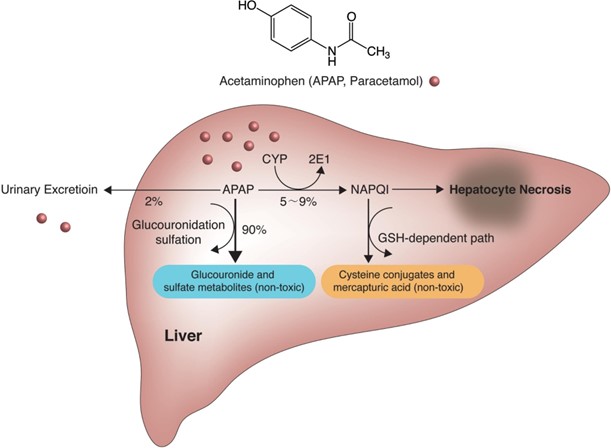
A nurse is teaching a client who takes acetaminophen daily to manage mild knee pain. The nurse should instruct the client to monitor for which of the following adverse reactions to this medication?
A. Tinnitus
B. Hyperglycemia
C. Jaundice
Acetaminophen is a commonly used over-the-counter pain reliever and fever reducer. One of the potential adverse reactions to acetaminophen is liver toxicity, which can present with symptoms such as jaundice (yellowing of the skin and eyes), dark urine, and pale stools. It is important for the client to be aware of these signs and symptoms and report them to their healthcare provider if they occur. Monitoring for jaundice can help identify any potential liver-related complications associated with acetaminophen use.
D. Muscle pain
Full Explanation
Acetaminophen is a commonly used over-the-counter pain reliever and fever reducer. One of the potential adverse reactions to acetaminophen is liver toxicity, which can present with symptoms such as jaundice (yellowing of the skin and eyes), dark urine, and pale stools. It is important for the client to be aware of these signs and symptoms and report them to their healthcare provider if they occur. Monitoring for jaundice can help identify any potential liver-related complications associated with acetaminophen use.
The other options provided in the question are not typically associated with acetaminophen use:
- Tinnitus: Tinnitus refers to a perception of ringing or buzzing in the ears. It is not a commonly reported adverse reaction to acetaminophen.
- Hyperglycemia: Hyperglycemia refers to high blood sugar levels. Acetaminophen does not typically cause hyperglycemia as a side effect.
- Muscle pain: Acetaminophen is used to relieve mild to moderate pain, including muscle pain. It is not an adverse reaction to the medication.
A nurse has been administering mucolytic-like Hypertonic Nasal drops to an infant she has been caring for. How can she chart the effectiveness of this medication in her narrative note?
A. The infant tolerated the instillation of the nose drops without any shortness of breath or fever.
B. Saline nose drops inserted Infant cried a small amount
C. The infant tolerated the insertion of saline nose drops well
D. Saline nose drops were inserted into both nares.
E. Large random breath respirations 26/minute.
Full Explanation
"The infant's nasal congestion appeared to improve following the administration of hypertonic nasal drops. The infant tolerated the insertion of saline nose drops well, with no signs of distress or adverse reactions. The nasal passages appeared clearer after the instillation, and the infant's breathing appeared less congested. There was no significant increase in respiratory rate or other signs of respiratory distress observed. The intervention seemed to have a positive effect on the infant's nasal congestion."
This statement indicates that the mucolytic medication (hypertonic nasal drops) was administered and had a positive effect on the infant's nasal congestion. It also mentions that the infant tolerated the procedure well without any adverse reactions, such as shortness of breath or fever. The absence of distress or adverse symptoms and the observed improvement in nasal congestion indicate the effectiveness of the medication in the nurse's narrative note. The additional information about the saline nose drops and respiratory rate may not directly address the effectiveness of the mucolytic medication and can be documented separately if necessary.