Nursing practice questions with comprehensive rationales
NurseDive Free Nursing Practice Question
A patient diagnosed with major depressive disorder begins selective serotonin reuptake inhibitor (SSRI) antidepressant therapy. Priority information given to the patient and family should include a directive to do what?
A. Avoid exposure to bright sunlight
Avoiding exposure to bright sunlight is not specifically related to SSRIs; it may be aconsideration with certain medications due to photosensitivity but isn't a primary concern with SSRIs.
B. Restrict sodium intake to 1g daily.
Restricting sodium intake isn't a directive associated with SSRI antidepressant therapy.
C. Maintain a tyramine-free diet.
Maintaining a tyramine-free diet is a concern with certain antidepressants like MAOIs (Monoamine Oxidase Inhibitors) but not typically with SSRIs.
D. Report increased suicidal thoughts
Reporting increased suicidal thoughts is a crucial directive because SSRIs may initially increase the risk of suicidal ideation, especially in the early stages of treatment.
This question is an excerpt from Nurse Dive's nursing test bank - Ati RN Psychtriac Nursing Proctored Exam. Take the full exam now
Full Explanation
A. Avoiding exposure to bright sunlight is not specifically related to SSRIs; it may be a
consideration with certain medications due to photosensitivity but isn't a primary concern with SSRIs.
B. Restricting sodium intake isn't a directive associated with SSRI antidepressant therapy.
C. Maintaining a tyramine-free diet is a concern with certain antidepressants like MAOIs (Monoamine Oxidase Inhibitors) but not typically with SSRIs.
D. Reporting increased suicidal thoughts is a crucial directive because SSRIs may initially increase the risk of suicidal ideation, especially in the early stages of treatment.
Similar Questions
A nurse manager on a mental health unit is discussing involuntary admissions during a staff meeting. Which of the following statements should the manager include in the discussion?
A. "Clients should be given medications even if they refuse them."
Providing medications against a patient's will generally requires a legal process or evaluation of capacity rather than a blanket statement of administration.
B. "Clients who are involuntarily admitted have the right to informed consent."
Clients who are involuntarily admitted might not have the right to refuse treatment initially based on the nature of the admission.
C. "Clients who are admitted involuntarily can be hospitalized for as long as the provider deems necessary."
Involuntary admissions often allow for extended hospitalization based on the judgment of the treatment team.
D. "The laws regarding restraints are different for clients who are admitted involuntarily."
Laws regarding restraints are generally consistent regardless of the mode of admission, focusing on safety and necessity rather than the mode of admission.
Full Explanation
A. Providing medications against a patient's will generally requires a legal process or evaluation of capacity rather than a blanket statement of administration.
B. Clients who are involuntarily admitted might not have the right to refuse treatment initially based on the nature of the admission.
C. Involuntary admissions often allow for extended hospitalization based on the judgment of the treatment team.
D. Laws regarding restraints are generally consistent regardless of the mode of admission, focusing on safety and necessity rather than the mode of admission.
A patient states, "I'm starting cognitive behavioral therapy. What can I expect from the sessions? Which responses by the nurse are appropriate? (Select all that apply.)
A. The goal is to increase your subjectivity about thoughts that govern your behavior."
The term "subjectivity" might not be the most suitable word here and might not accurately represent cognitive-behavioral therapy's goals.
B. "The therapist will help you look at ideas and beliefs you have about yourself."
Cognitive-behavioral therapy involves exploring and challenging beliefs and perceptions about oneself, making this an appropriate response.
C. "You may be given homework assignments."
Homework assignments are often part of cognitive-behavioral therapy to practice skills or implement strategies outside of therapy sessions.
D. The therapist will be active and questioning."
The statement is true regarding the therapist's active role but might not encompass the entire essence of cognitive-behavioral therapy.
Full Explanation
A. The term "subjectivity" might not be the most suitable word here and might not accurately represent cognitive-behavioral therapy's goals.
B. Cognitive-behavioral therapy involves exploring and challenging beliefs and perceptions about oneself, making this an appropriate response.
C. Homework assignments are often part of cognitive-behavioral therapy to practice skills or implement strategies outside of therapy sessions.
D. The statement is true regarding the therapist's active role but might not encompass the entire essence of cognitive-behavioral therapy.
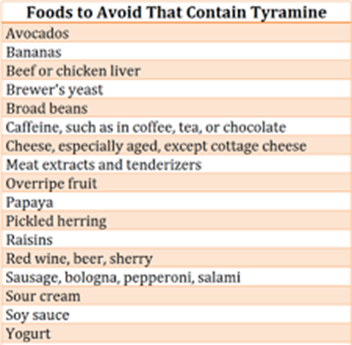
A nurse teaching a patient about a tyramine-restricted diet would approve which meal?
A. Avocado salad, ham, creamed potatoes, asparagus, chocolate cake
Contains foods high in tyramine like avocado, ham, and chocolate cake.
B. Noodles with cheddar cheese sauce, smoked sausage, lettuce salad, yeast rolls
Includes smoked sausage and yeast rolls which are high in tyramine.
C. Mashed potatoes, ground beef patty, corn, green beans, apple
This meal consists of foods typically low in tyramine content, suitable for a tyramine- restricted diet.
D. Macaroni and cheese, hot dogs, banana bread, caffeinated coffee
Macaroni and cheese, hot dogs, and banana bread can contain high levels of tyramine
Full Explanation
A. Contains foods high in tyramine like avocado, ham, and chocolate cake.
B. Includes smoked sausage and yeast rolls which are high in tyramine
C. This meal consists of foods typically low in tyramine content, suitable for a tyramine- restricted diet.
D. Macaroni and cheese, hot dogs, and banana bread can contain high levels of tyramine