
Nursing practice questions with comprehensive rationales
NurseDive Free Nursing Practice Question
A patient is exhibiting an altered level of consciousness and is unresponsive to verbal stimuli. To elicit a response from a painful stimulus, the nurse would:
A. Press down on the orbital area of the eye.
Pressing down on the orbital area of the eye, known as the oculocephalic reflex or 'doll's eye' maneuver, is a method used to assess brainstem function in an unresponsive patient. However, this should be done with caution and is generally avoided if there is a suspicion of a neck injury or increased intracranial pressure.
B. Pinch the trapezius muscle.
Pinching the trapezius muscle is a common method to elicit a response to painful stimuli. It is considered a less invasive and safer initial approach to assess the patient's response to pain without causing harm.
C. Use a 25-gauge needle.
Using a 25-gauge needle to elicit a response is not a standard practice and can be harmful. It poses a risk of skin puncture and infection, and it is not an appropriate method for assessing a patient's level of consciousness.
D. Elicit a reflex with a reflex hammer.
Eliciting a reflex with a reflex hammer is used to assess the deep tendon reflexes, which can provide information about the integrity of the nervous system. However, it is not typically used as a method to elicit a response to painful stimuli in an unresponsive patient.
This question is an excerpt from Nurse Dive's nursing test bank - Ati Rn Adult Medical Surgical 2023 Proctored Exam. Take the full exam now
Full Explanation
Choice A reason: Pressing down on the orbital area of the eye, known as the oculocephalic reflex or 'doll's eye' maneuver, is a method used to assess brainstem function in an unresponsive patient. However, this should be done with caution and is generally avoided if there is a suspicion of a neck injury or increased intracranial pressure.
Choice B reason: Pinching the trapezius muscle is a common method to elicit a response to painful stimuli. It is considered a less invasive and safer initial approach to assess the patient's response to pain without causing harm.
Choice C reason: Using a 25-gauge needle to elicit a response is not a standard practice and can be harmful. It poses a risk of skin puncture and infection, and it is not an appropriate method for assessing a patient's level of consciousness.
Choice D reason: Eliciting a reflex with a reflex hammer is used to assess the deep tendon reflexes, which can provide information about the integrity of the nervous system. However, it is not typically used as a method to elicit a response to painful stimuli in an unresponsive patient.
Similar Questions
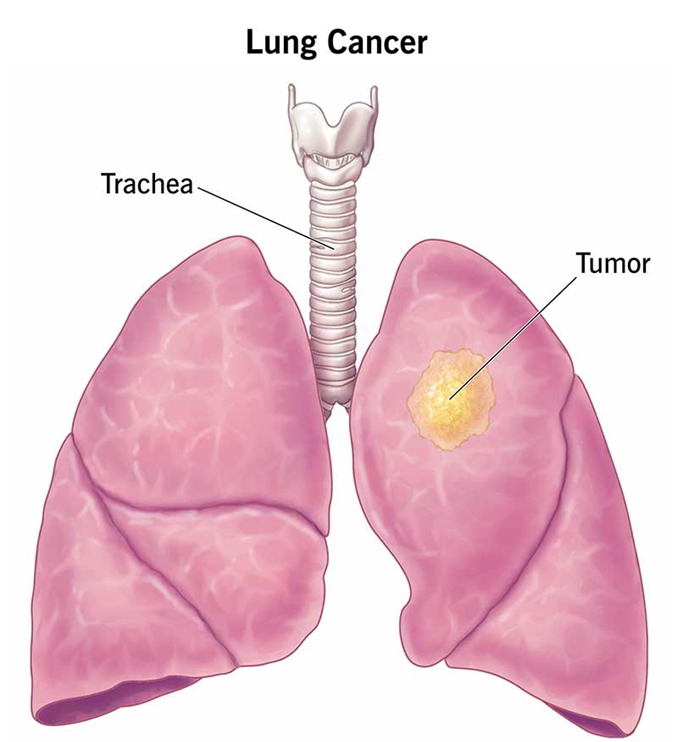
A hospice nurse is planning care for a client who has lung cancer. Which of the following statements should the nurse make to incorporate the client's and family's cultural beliefs?
A. "You should limit discussing past events with the client."
Telling a family to limit discussing past events with the client may not be culturally sensitive. Each culture has its own views on reminiscing and sharing memories, especially during end-of-life care. Some cultures value the sharing of stories and memories as a way to honor the individual's life.
B. "We will respect what is important to you."
Saying "We will respect what is important to you" is a statement that acknowledges and incorporates the client's and family's cultural beliefs. It shows a willingness to understand and prioritize their values, customs, and preferences in the care plan. This approach is aligned with culturally competent care, which is crucial in hospice settings.
C. "We will arrange all burial services."
Offering to arrange all burial services may overstep boundaries, as burial practices are deeply rooted in cultural and religious beliefs. It is important for healthcare providers to discuss and understand the family's wishes and provide support in accordance with their specific cultural practices.
D. "Grieving should not be done in front of the client."
Advising that grieving should not be done in front of the client may not align with the family's cultural beliefs about expressing emotions and grief. Different cultures have varied expressions of grief, and it is essential to respect these practices. Some cultures view the open expression of grief as an important part of the mourning process.
Full Explanation
Choice A reason: Telling a family to limit discussing past events with the client may not be culturally sensitive. Each culture has its own views on reminiscing and sharing memories, especially during end-of-life care. Some cultures value the sharing of stories and memories as a way to honor the individual's life.
Choice B reason: Saying "We will respect what is important to you" is a statement that acknowledges and incorporates the client's and family's cultural beliefs. It shows a willingness to understand and prioritize their values, customs, and preferences in the care plan. This approach is aligned with culturally competent care, which is crucial in hospice settings.
Choice C reason: Offering to arrange all burial services may overstep boundaries, as burial practices are deeply rooted in cultural and religious beliefs. It is important for healthcare providers to discuss and understand the family's wishes and provide support in accordance with their specific cultural practices.
Choice D reason: Advising that grieving should not be done in front of the client may not align with the family's cultural beliefs about expressing emotions and grief. Different cultures have varied expressions of grief, and it is essential to respect these practices. Some cultures view the open expression of grief as an important part of the mourning process.
A nurse is preparing to assist with an ocular irrigation for a client who had a chemical splash to the left eye. Which of the following actions should the nurse plan to take?
A. Irrigate the affected eye from the inner corner toward the outer corner.
Irrigating the affected eye from the inner corner toward the outer corner is the recommended method for ocular irrigation. This technique helps to flush out the chemical agent without risking further contamination to the other eye or nasal passages.
B. Sit the client up with their head turned toward the right side.
Positioning the client sitting up with their head turned toward the right side is appropriate when irrigating the left eye. This position allows gravity to assist in the flow of the irrigation solution away from the unaffected eye, reducing the risk of cross-contamination.
C. Place a strip of pH paper under the upper lid of the affected eye.
Placing a strip of pH paper under the upper lid of the affected eye is a critical step in ocular irrigation after a chemical splash. It is used to measure the pH of the ocular surface to ensure that the pH has normalized to a range between 7.0 and 7.2 after irrigation, indicating that the chemical has been adequately flushed out.
D. Irrigate the affected eye using sterile water.
Using sterile water for ocular irrigation is not recommended because it can cause osmotic imbalances and damage to the corneal cells. Instead, normal saline or balanced salt solutions are preferred as they are isotonic and more compatible with the physiological environment of the eye.
Full Explanation
Choice A reason: Irrigating the affected eye from the inner corner toward the outer corner is the recommended method for ocular irrigation. This technique helps to flush out the chemical agent without risking further contamination to the other eye or nasal passages.
Choice B reason: Positioning the client sitting up with their head turned toward the right side is appropriate when irrigating the left eye. This position allows gravity to assist in the flow of the irrigation solution away from the unaffected eye, reducing the risk of cross-contamination.
Choice C reason: Placing a strip of pH paper under the upper lid of the affected eye is a critical step in ocular irrigation after a chemical splash. It is used to measure the pH of the ocular surface to ensure that the pH has normalized to a range between 7.0 and 7.2 after irrigation, indicating that the chemical has been adequately flushed out.
Choice D reason: Using sterile water for ocular irrigation is not recommended because it can cause osmotic imbalances and damage to the corneal cells. Instead, normal saline or balanced salt solutions are preferred as they are isotonic and more compatible with the physiological environment of the eye.
A nurse is caring for a client who has AIDS. Which of the following isolation precautions should the nurse implement?
A. Droplet precautions
Droplet precautions are used for diseases that are transmitted through large respiratory droplets produced by coughing, sneezing, or talking. AIDS, caused by the Human Immunodeficiency Virus (HIV), is not transmitted through respiratory droplets, so droplet precautions are not necessary for a client with AIDS.
B. Standard precautions
Standard precautions are the primary strategy for the prevention of infection transmission and apply to all patients receiving care in hospitals, regardless of their diagnosis or presumed infection status. These precautions include hand hygiene, the use of personal protective equipment (PPE) like gloves and gowns, and safe injection practices. Since HIV/AIDS can be transmitted through blood and certain body fluids, standard precautions are essential when caring for clients with AIDS.
C. Airborne precautions
Airborne precautions are used for diseases that are transmitted by small droplet nuclei that remain suspended in the air and can be widely dispersed by air currents within a room or over a long distance. HIV/AIDS is not transmitted through the airborne route, so airborne precautions are not indicated for clients with AIDS.
D. Contact precautions
Contact precautions are used for infections that are spread by direct contact with the patient or indirect contact with surfaces or patient care items. While HIV can be present in body fluids, it is not easily transmitted through casual contact. Therefore, contact precautions are not specifically required for clients with AIDS unless they have other conditions that warrant such precautions.
Full Explanation
Choice A reason: Droplet precautions are used for diseases that are transmitted through large respiratory droplets produced by coughing, sneezing, or talking. AIDS, caused by the Human Immunodeficiency Virus (HIV), is not transmitted through respiratory droplets, so droplet precautions are not necessary for a client with AIDS.
Choice B reason: Standard precautions are the primary strategy for the prevention of infection transmission and apply to all patients receiving care in hospitals, regardless of their diagnosis or presumed infection status. These precautions include hand hygiene, the use of personal protective equipment (PPE) like gloves and gowns, and safe injection practices. Since HIV/AIDS can be transmitted through blood and certain body fluids, standard precautions are essential when caring for clients with AIDS.
Choice C reason: Airborne precautions are used for diseases that are transmitted by small droplet nuclei that remain suspended in the air and can be widely dispersed by air currents within a room or over a long distance. HIV/AIDS is not transmitted through the airborne route, so airborne precautions are not indicated for clients with AIDS.
Choice D reason: Contact precautions are used for infections that are spread by direct contact with the patient or indirect contact with surfaces or patient care items. While HIV can be present in body fluids, it is not easily transmitted through casual contact. Therefore, contact precautions are not specifically required for clients with AIDS unless they have other conditions that warrant such precautions.