Nursing practice questions with comprehensive rationales
NurseDive Free Nursing Practice Question
A pregnant patient asks the nurse if she can take antihistamines for seasonal allergies during her pregnancy. What will the nurse tell the patient?
A. The margin of safety for antihistamines is clearly understood for pregnant patients
B. Second-generation antihistamines are safer than first-generation antihistamines
The nurse will tell the patient that second-generation antihistamines are generally considered safer than first-generation antihistamines during pregnancy. While the safety of medications during pregnancy is a complex topic and individualized recommendations should be obtained from a healthcare provider, second-generation antihistamines such as loratadine (Claritin) and cetirizine (Zyrtec) are often preferred over first-generation antihistamines like diphenhydramine (Benadryl) due to their lower potential for sedation and other side effects. However, it is still important for the patient to consult with her healthcare provider for personalized advice on medication use during pregnancy.
C. Antihistamines should not be taken during pregnancy but may be taken when breastfeeding
D. Antihistamines are contraindicated during the third trimester of pregnancy
This question is an excerpt from Nurse Dive's nursing test bank - ATI NUR 229 Pharmacology Test #1 OEK Proctored Exam. Take the full exam now
Full Explanation
The nurse will tell the patient that second-generation antihistamines are generally considered safer than first-generation antihistamines during pregnancy. While the safety of medications during pregnancy is a complex topic and individualized recommendations should be obtained from a healthcare provider, second-generation antihistamines such as loratadine (Claritin) and cetirizine (Zyrtec) are often preferred over first-generation antihistamines like diphenhydramine (Benadryl) due to their lower potential for sedation and other side effects. However, it is still important for the patient to consult with her healthcare provider for personalized advice on medication use during pregnancy.
Similar Questions
A nurse is teaching a client who has a new diagnosis of asthma. Which of the following medications should the nurse instruct the client to use to abort an acute asthma attack?
A. Beclomethasone
B. Formoterol
C. Salmeterol
D. Albuterol
Albuterol is a short-acting beta-agonist bronchodilator, commonly used as a rescue medication for acute asthma symptoms. It works quickly to open up the airways and relieve bronchospasm, helping to alleviate the symptoms of an asthma attack. Beclomethasone, formoterol, and salmeterol are long-acting medications used for maintenance therapy in asthma management, not for immediate relief during an acute attack.
Full Explanation
Albuterol is a short-acting beta-agonist bronchodilator, commonly used as a rescue medication for acute asthma symptoms. It works quickly to open up the airways and relieve bronchospasm, helping to alleviate the symptoms of an asthma attack. Beclomethasone, formoterol, and salmeterol are long-acting medications used for maintenance therapy in asthma management, not for immediate relief during an acute attack.
A nurse has been administering mucolytic-like Hypertonic Nasal drops to an infant she has been caring for. How can she chart the effectiveness of this medication in her narrative note?
A. The infant tolerated the instillation of the nose drops without any shortness of breath or fever.
B. Saline nose drops inserted Infant cried a small amount
C. The infant tolerated the insertion of saline nose drops well
D. Saline nose drops were inserted into both nares.
E. Large random breath respirations 26/minute.
Full Explanation
"The infant's nasal congestion appeared to improve following the administration of hypertonic nasal drops. The infant tolerated the insertion of saline nose drops well, with no signs of distress or adverse reactions. The nasal passages appeared clearer after the instillation, and the infant's breathing appeared less congested. There was no significant increase in respiratory rate or other signs of respiratory distress observed. The intervention seemed to have a positive effect on the infant's nasal congestion."
This statement indicates that the mucolytic medication (hypertonic nasal drops) was administered and had a positive effect on the infant's nasal congestion. It also mentions that the infant tolerated the procedure well without any adverse reactions, such as shortness of breath or fever. The absence of distress or adverse symptoms and the observed improvement in nasal congestion indicate the effectiveness of the medication in the nurse's narrative note. The additional information about the saline nose drops and respiratory rate may not directly address the effectiveness of the mucolytic medication and can be documented separately if necessary.
A nurse is teaching a client who takes acetaminophen daily to manage mild knee pain. The nurse should instruct the client to monitor for which of the following adverse reactions to this medication?
A. Tinnitus
B. Hyperglycemia
C. Jaundice
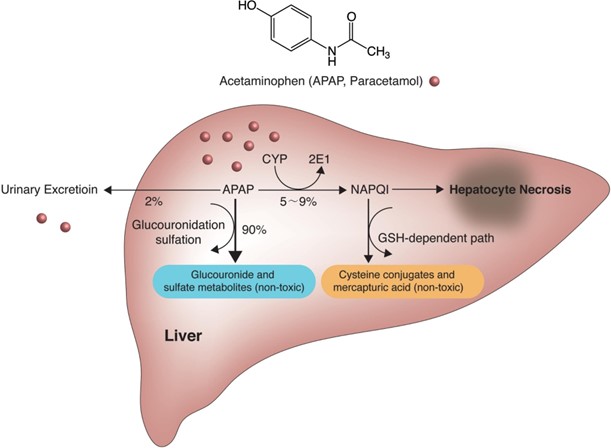
Acetaminophen is a commonly used over-the-counter pain reliever and fever reducer. One of the potential adverse reactions to acetaminophen is liver toxicity, which can present with symptoms such as jaundice (yellowing of the skin and eyes), dark urine, and pale stools. It is important for the client to be aware of these signs and symptoms and report them to their healthcare provider if they occur. Monitoring for jaundice can help identify any potential liver-related complications associated with acetaminophen use.
D. Muscle pain
Full Explanation
Acetaminophen is a commonly used over-the-counter pain reliever and fever reducer. One of the potential adverse reactions to acetaminophen is liver toxicity, which can present with symptoms such as jaundice (yellowing of the skin and eyes), dark urine, and pale stools. It is important for the client to be aware of these signs and symptoms and report them to their healthcare provider if they occur. Monitoring for jaundice can help identify any potential liver-related complications associated with acetaminophen use.
The other options provided in the question are not typically associated with acetaminophen use:
- Tinnitus: Tinnitus refers to a perception of ringing or buzzing in the ears. It is not a commonly reported adverse reaction to acetaminophen.
- Hyperglycemia: Hyperglycemia refers to high blood sugar levels. Acetaminophen does not typically cause hyperglycemia as a side effect.
- Muscle pain: Acetaminophen is used to relieve mild to moderate pain, including muscle pain. It is not an adverse reaction to the medication.