
Nursing practice questions with comprehensive rationales
NurseDive Free Nursing Practice Question
A premature infant with respiratory distress syndrome receives artificial surfactant. How would the nurse explain surfactant therapy to the parents?
A. “Surfactant improves the ability of your baby’s lungs to exchange oxygen and carbon dioxide.”.
Surfactant improves the ability of your baby’s lungs to exchange oxygen and carbon dioxide. Surfactant is a substance that coats the inner surface of the alveoli, the tiny air sacs in the lungs. It reduces the surface tension of the alveoli and prevents them from collapsing during exhalation. Premature infants often lack enough surfactant, which leads to respiratory distress syndrome (RDS). Artificial surfactant is given to these infants to help them breathe more easily.
B. “The drug keeps your baby from requiring too much sedation.”.
This is wrong because surfactant has nothing to do with sedation. Sedation is a state of reduced consciousness induced by drugs. Surfactant does not affect the level of consciousness of the infant.
C. “Surfactant is used to reduce episodes of periodic apnea.”.
This is wrong because surfactant is not used to reduce episodes of periodic apnea. Periodic apnea is a condition where the infant stops breathing for a short time, usually due to immature brainstem function. Surfactant does not affect the brainstem or the control of breathing.
D. “Your baby needs this medication to fight a possible respiratory tract infection.”.
This is wrong because surfactant is not used to fight a possible respiratory tract infection. Surfactant does not have any antibacterial or antiviral properties. Surfactant is used to treat RDS, which is caused by a lack of surfactant, not by an infection.
This question is an excerpt from Nurse Dive's nursing test bank - OB Pediatric Cumulative Exam Test 4 V 1 2023 Proctored Exam. Take the full exam now
Full Explanation
choice A. Surfactant improves the ability of your baby’s lungs to exchange oxygen and carbon dioxide.
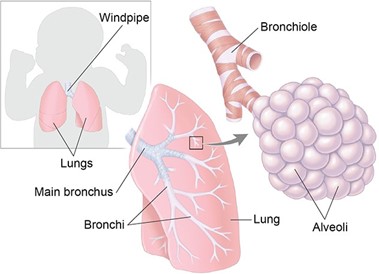
Surfactant is a substance that coats the inner surface of the alveoli, the tiny air sacs in the lungs.
It reduces the surface tension of the alveoli and prevents them from collapsing during exhalation.
Premature infants often lack enough surfactant, which leads to respiratory distress syndrome (RDS).
Artificial surfactant is given to these infants to help them breathe more easily. Choice B is wrong because surfactant has nothing to do with sedation.
Sedation is a state of reduced consciousness induced by drugs. Surfactant does not affect the level of consciousness of the infant.
Choice C is wrong because surfactant is not used to reduce episodes of periodic apnea.
Periodic apnea is a condition where the infant stops breathing for a short time, usually due to immature brainstem function.
Surfactant does not affect the brainstem or the control of breathing.
Choice D is wrong because surfactant is not used to fight a possible respiratory tract infection. Surfactant does not have any antibacterial or antiviral properties.
Surfactant is used to treat RDS, which is caused by a lack of surfactant, not by an infection.
Similar Questions
A macrosomic infant is born after a difficult forceps-assisted delivery.
After stabilization, the infant is weighed, and the birth weight is 4550 g (9 lbs, 6 ounces). The nurse’s most appropriate action is to:
A. Leave the infant in the room with the mother.
This is wrong because leaving the infant in the room with the mother without monitoring the blood glucose levels may miss signs of hypoglycemia and delay treatment.
B. Take the infant immediately to the nursery.
This is wrong because taking the infant immediately to the nursery may separate the infant from the mother and interfere with breastfeeding, which can help prevent hypoglycemia.
C. Perform a gestational age assessment to determine whether the infant is large for gestational age.
Thisis wrong because performing a gestational age assessment to determine whether the infant is large for gestational age is not urgent and does not address the risk of hypoglycemia. Normal ranges for blood glucose levels in term infants are 2.6 mmol/L or higher at any time. A blood glucose level of 2.5 mmol/L or less is considered hypoglycemic.
D. Monitor blood glucose levels frequently and observe closely for signs of hypoglycemia.
This is because a macrosomic infant (a newborn who’s much larger than average) is at risk of developing low blood sugar levels after birth, especially if the mother has diabetes. Hypoglycemia can cause neurological damage in the newborn, so it is important to detect and treat it promptly.
Full Explanation
choice D. Monitor blood glucose levels frequently and observe closely for signs of hypoglycemia. This is because a macrosomic infant (a newborn who’s much larger than average) is at risk of developing low blood sugar levels after birth, especially if the mother has diabetes. Hypoglycemia can cause neurological damage in the newborn, so it is important to detect and treat it promptly.
Choice A is wrong because leaving the infant in the room with the mother without monitoring the blood glucose levels may miss signs of hypoglycemia and delay treatment.
Choice B is wrong because taking the infant immediately to the nursery may separate the infant from the mother and interfere with breastfeeding, which can help prevent hypoglycemia.
Choice C is wrong because performing a gestational age assessment to determine whether the infant is large for gestational age is not urgent and does not address the risk of hypoglycemia.
Normal ranges for blood glucose levels in term infants are 2.6 mmol/L or higher at any time. A blood glucose level of 2.5 mmol/L or less is considered hypoglycemic.
The nurse administers vitamin K to the newborn for which reason?
A. Most mothers have a diet deficient in vitamin K, which results in the infant’s being deficient.
This is wrong because most mothers do not have a diet deficient in vitamin K, and vitamin K deficiency in newborns is not related to the maternal diet.
B. Vitamin K prevents the synthesis of prothrombin in the liver and must be given by injection.
This Choice B is wrong because vitamin K does not prevent the synthesis of prothrombin in the liver, but rather enhances it. Prothrombin is a clotting factor that requires vitamin K for its production.
C. Bacteria that synthesize vitamin K are not present in the newborn’s intestinal tract.
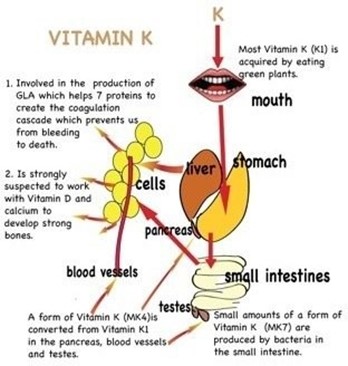
Bacteria that synthesize vitamin K are not present in the newborn’s intestinal tract. Vitamin K is essential for blood clotting, and newborns are at risk of bleeding problems due to their lack of vitamin K. Therefore, vitamin K is given by injection to prevent hemorrhagic disease in the newborn.
D. The supply of vitamin K is inadequate for at least 3 to 4 months, and the newborn must be supplemented.
This is wrong because the supply of vitamin K is not inadequate for at least 3 to 4 months, but rather for a few days until the newborn’s intestinal bacteria start producing it.
Full Explanation
Bacteria that synthesize vitamin K is not present in the newborn’s intestinal tract. Vitamin K is essential for blood clotting, and newborns are at risk of bleeding problems due to their lack of vitamin K. Therefore, vitamin K is given by injection to prevent hemorrhagic disease in the newborn.
Choice A is wrong because most mothers do not have a diet deficient in vitamin K, and vitamin K deficiency in newborns is not related to the maternal diet.
Choice B is wrong because vitamin K does not prevent the synthesis of prothrombin in the liver, but rather enhances it. Prothrombin is a clotting factor that requires vitamin K for its production.
Choice D is wrong because the supply of vitamin K is not inadequate for at least 3 to 4 months, but rather for a few days until the newborn’s intestinal bacteria start producing it.
An Apgar score of 10 at 1 minute after birth would indicate a(n):
A. Infant having no difficulty adjusting to extrauterine life and needing no further testing.
This is wrong because an Apgar score of 10 at 1 minute does not mean that the infant needs no further testing. The infant should still be assessed again at 5 minutes and monitored for any signs of distress or complications.
B. Infant in severe distress who needs resuscitation.
This is wrong because an Apgar score of 10 at 1 minute does not indicate an infant in severe distress who needs resuscitation. An Apgar score of 0 to 3 would indicate a concerning condition that may require immediate intervention.
C. Prediction of a future free of neurologic problems.
This is wrong because an Apgar score of 10 at 1 minute does not predict a future free of neurologic problems. The Apgar score alone cannot be considered as evidence of, or a consequence of, asphyxia or brain injury; it does not predict individual neonatal mortality or neurologic outcome; and it should not be used for that purpose. Normal ranges for each criterion are as follows: • Appearance (color): pink all over (2 points), body pink but extremities blue (1 point), blue, bluish-gray, or pale all over (0 points) • Pulse (heart rate): greater than 100 beats per minute (2 points), less than 100 beats per minute (1 point), absent (0 points) • Grimace (response to stimulation): cough or sneeze, cry and withdrawal of foot with stimulation (2 points), facial movement/grimace with stimulation (1 point), absent (0 points) • Activity (muscle tone): active movement (2 points), limbs flexed (1 point), limp or floppy (0 points) • Respiration (breathing): good, strong cry (2 points), irregular, weak crying (1 point), absent (0 points)
D. Infant having no difficulty adjusting to extrauterine life but who should be assessed again at 5 minutes after birth.
An Apgar score of 10 at 1 minute after birth indicates that the infant is having no difficulty adjusting to extrauterine life but should be assessed again at 5 minutes after birth. The Apgar score is a scoring system that evaluates the health of newborns at 1 and 5 minutes after birth based on five criteria: appearance, pulse, grimace, activity, and respiration. Each criterion is scored from 0 to 2, and the total score ranges from 0 to 10. A score of 7 to 10 is considered reassuring, a score of 4 to 6 is moderately abnormal, and a score of 0 to 3 is concerning.
Full Explanation
An Apgar score of 10 at 1 minute after birth indicates that the infant is having no difficulty adjusting to extrauterine life but who should be assessed again at 5 minutes after birth. The Apgar score is a scoring system that evaluates the health of newborns at 1 and 5 minutes after birth based on five criteria: appearance, pulse, grimace, activity, and respiration. Each criterion is scored from 0 to 2, and the total score ranges from 0 to 10. A score of 7 to 10 is considered reassuring, a score of 4 to 6 is moderately abnormal, and a score of 0 to 3 is concerning.
Choice A is wrong because an Apgar score of 10 at 1 minute does not mean that the infant needs no further testing. The infant should still be assessed again at 5 minutes and monitored for any signs of distress or complications.
Choice B is wrong because an Apgar score of 10 at 1 minute does not indicate an infant in severe distress who needs resuscitation. An Apgar score of 0 to 3 would indicate a concerning condition that may require immediate intervention.
Choice C is wrong because an Apgar score of 10 at 1 minute does not predict a future free of neurologic problems. The Apgar score alone cannot be considered as evidence of, or a consequence of, asphyxia or brain injury; it does not predict individual neonatal mortality or neurologic outcome; and it should not be used for that purpose.
Normal ranges for each criterion are as follows:
- Appearance (color): pink all over (2 points), body pink but extremities blue (1 point), blue, bluish-gray, or pale all over (0 points)
- Pulse (heart rate): greater than 100 beats per minute (2 points), less than 100 beats per minute (1 point), absent (0 points)
- Grimace (response to stimulation): cough or sneeze, cry and withdrawal of foot with stimulation (2 points), facial movement/grimace with stimulation (1 point), absent (0 points)
- Activity (muscle tone): active movement (2 points), limbs flexed (1 point), limp or floppy (0 points)
- Respiration (breathing): good, strong cry (2 points), irregular, weak crying (1 point), absent (0 points)