Nursing practice questions with comprehensive rationales
NurseDive Free Nursing Practice Question
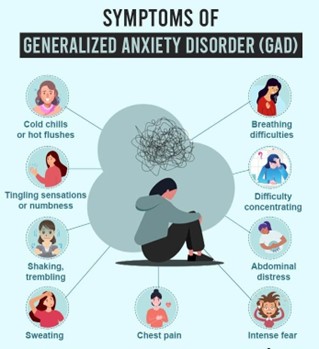
A registered nurse is providing a community health education class about suicide prevention. Which of the following should the nurse identify as risk factors for suicide? (Select all that apply).
A. Substance abuse disorder
Option a. Substance abuse disorder can increase the risk of suicide because it can exacerbate underlying mental health conditions and impair judgment.
B. Schizophrenia
Option b. Schizophrenia is a mental health condition that can increase the risk of suicide due to symptoms such as delusions and hallucinations.
C. Age greater than 55 years Old
Option c. Age greater than 55 years old is a risk factor for suicide because older adults may experience social isolation, chronic health conditions, and loss of independence.
D. Female gender
Option d. Female gender is not a known risk factor for suicide.
F. Male gender
Option f. Male gender is a risk factor for suicide because men are more likely to die by suicide than women.
G. Bachelor’s degree
Option g. Having a bachelor’s degree is not a known risk factor for suicide.
H. Previous suicide attempt.
Option h. Previous suicide attempt is a strong predictor of future suicide attempts and completed suicides.
This question is an excerpt from Nurse Dive's nursing test bank - Mental Health - Proctored Exam 2. Take the full exam now
Full Explanation
a. Substance abuse disorder
b. Schizophrenia
c. Age greater than 55 years old
f. Male gender
h. Previous suicide attempt.
Option a. Substance abuse disorder can increase the risk of suicide because it can exacerbate underlying mental health conditions and impair judgment.
Option b. Schizophrenia is a mental health condition that can increase the risk of suicide due to symptoms such as delusions and hallucinations.
Option c. Age greater than 55 years old is a risk factor for suicide because older adults may experience social isolation, chronic health conditions, and loss of independence.
Option f. Male gender is a risk factor for suicide because men are more likely to die by suicide than women. Option h. Previous suicide attempt is a strong predictor of future suicide attempts and completed suicides. Option d. Female gender is not a known risk factor for suicide.
Option e. Being currently married is not a known risk factor for suicide. Option g. Having a bachelor’s degree is not a known risk factor for suicide.
Similar Questions
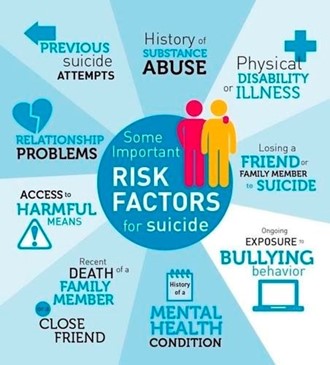
A registered nurse puts a client who has a psychotic disorder in seclusion overnight because the unit is very short-staffed, and the client frequently fights with other clients. the nurse's actions are an example of which of the following torts?
A. Invasion of privacy
Option a. Invasion of privacy refers to the violation of a person’s right to privacy.
B. Battery
Option b. Battery refers to the intentional and harmful or offensive touching of another person without their consent.
C. False imprisonment
False imprisonment is the unlawful restraint of a person against their will. In this situation, the nurse’s actions of placing the client in seclusion overnight because the unit is short-staffed and the client frequently fights with other clients may be considered false imprisonment if the client did not consent to being placed in seclusion and if there were no legal grounds for doing so.
D. Assault
Option d. Assault refers to the intentional act of causing another person to fear immediate harm or offensive contact.
Full Explanation
False imprisonment is the unlawful restraint of a person against their will. In this situation, the nurse’s actions of placing the client in seclusion overnight because the unit is short-staffed and the client frequently fights with other clients may be considered false imprisonment if the client did not consent to being placed in seclusion and if there were no legal grounds for doing so.
Option a. Invasion of privacy refers to the violation of a person’s right to privacy.
Option b. Battery refers to the intentional and harmful or offensive touching of another person without their consent.
Option d. Assault refers to the intentional act of causing another person to fear immediate harm or offensive contact.
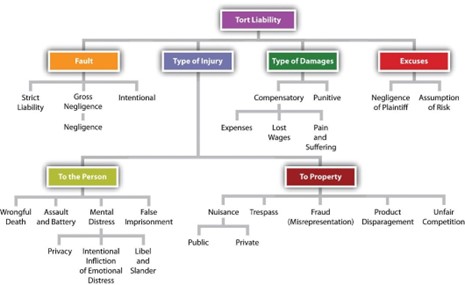
Which is associated with bulimia nervosa?
A. Very low BMI
Option a. Very low BMI is not typically associated with bulimia nervosa. People with bulimia nervosa may have a normal or above-normal BMI.
B. Decreased size of parotid glands
Option b. Decreased size of parotid glands is not associated with bulimia nervosa. In fact, people with bulimia nervosa may have an enlarged parotid gland due to repeated vomiting.
C. Calluses on the hands and fingers (Russell's sign)
Russell’s sign is a physical symptom that is associated with bulimia nervosa. It refers to the presence of calluses on the knuckles or back of the hand that are caused by repeated self-induced vomiting.
D. Fluid and electrolyte overload
Option d. Fluid and electrolyte overload is not typically associated with bulimia nervosa. People with bulimia nervosa may experience fluid and electrolyte imbalances due to repeated vomiting and laxative abuse.
Full Explanation
Russell’s sign is a physical symptom that is associated with bulimia nervosa. It refers to the presence of calluses on the knuckles or back of the hand that are caused by repeated self-induced vomiting.
Option a. Very low BMI is not typically associated with bulimia nervosa. People with bulimia nervosa may have a normal or above-normal BMI.
Option b. Decreased size of parotid glands is not associated with bulimia nervosa. In fact, people with bulimia nervosa may have an enlarged parotid gland due to repeated vomiting.
Option d. Fluid and electrolyte overload is not typically associated with bulimia nervosa. People with bulimia nervosa may experience fluid and electrolyte imbalances due to repeated vomiting and laxative abuse.
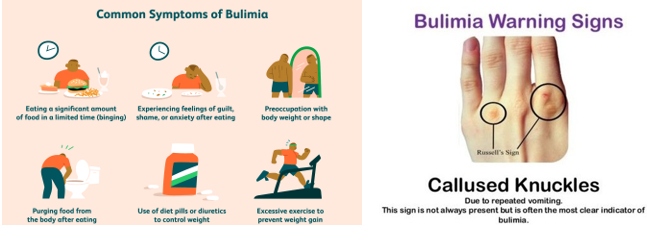
A nurse is assessing a client who has generalized anxiety disorder. Which of the following findings should the nurse expect?
A. Sudden unexplained loss of vision
Option a is not a typical finding associated with GAD. Sudden unexplained loss of vision may be a symptom of a neurological or ophthalmologic condition, but not specifically related to GAD.
B. Constant worry about the undiagnosed presence of an illness for more than 6 months
Generalized anxiety disorder (GAD) is a type of anxiety disorder characterized by excessive and persistent worry about a variety of different things, including health, work, relationships, and everyday situations. People with GAD may experience physical symptoms, such as fatigue, muscle tension, and restlessness.
C. Obsession over a fictitious defect in physical appearance
Option c describes a condition called body dysmorphic disorder (BDD), which is a type of obsessive- compulsive disorder characterized by an excessive preoccupation with a perceived physical flaw. BDD is not typically associated with GAD.
D. Prior physical health followed by the need for two surgeries within the last three months
Option d does not describe a typical finding associated with GAD. While physical health issues can contribute to anxiety, the need for surgeries within the last three months is not necessarily indicative of GAD. Therefore, the correct option is b. Constant worry about the undiagnosed presence of an illness for more than 6 months. People with GAD often worry about their health and the possibility of having an undiagnosed illness, even when there is no evidence of a problem. This worry may persist for six months or more and can interfere with daily life.
Full Explanation
Generalized anxiety disorder (GAD) is a type of anxiety disorder characterized by excessive and persistent worry about a variety of different things, including health, work, relationships, and everyday situations. People with GAD may experience physical symptoms, such as fatigue, muscle tension, and restlessness.
Option a is not a typical finding associated with GAD. Sudden unexplained loss of vision may be a symptom
of a neurological or ophthalmologic condition, but not specifically related to GAD.
Option c describes a condition called body dysmorphic disorder (BDD), which is a type of obsessive- compulsive disorder characterized by an excessive preoccupation with a perceived physical flaw. BDD is not typically associated with GAD.
Option d does not describe a typical finding associated with GAD. While physical health issues can contribute to anxiety, the need for surgeries within the last three months is not necessarily indicative of GAD.
Therefore, the correct option is b. Constant worry about the undiagnosed presence of an illness for more than 6 months. People with GAD often worry about their health and the possibility of having an undiagnosed illness, even when there is no evidence of a problem. This worry may persist for six months or more and can interfere with daily life.