
Nursing practice questions with comprehensive rationales
NurseDive Free Nursing Practice Question
A school nurse is assessing a child for pediculosis capitis. Which of the following manifestations should the nurse recognize as an indication of this condition?
A. Itching and scratching of the head.
Itching and scratching of the head are common symptoms of pediculosis capitis, but they are not definitive indicators. Itching can be caused by various other conditions such as dandruff or allergies.
B. Firmly attached white particles on the hair.
Firmly attached white particles on the hair, known as nits, are a definitive sign of pediculosis capitis. Nits are lice eggs that stick to the hair shafts and are difficult to remove.
C. Thick yellow crusted lesion on a red base.
Thick yellow crusted lesions on a red base are more indicative of impetigo, a bacterial skin infection, rather than pediculosis capitis.
D. Patchy areas of hair loss.
Patchy areas of hair loss are typically associated with conditions like alopecia areata or fungal infections such as tinea capitis, not pediculosis capitis.
This question is an excerpt from Nurse Dive's nursing test bank - ATI Custom SP23 N23 N240 Proctored Exam 3 Ch 11 24 32 43 44. Take the full exam now
Full Explanation
The correct answer is choice b. Firmly attached white particles on the hair.
Choice A rationale:
Itching and scratching of the head are common symptoms of pediculosis capitis, but they are not definitive indicators. Itching can be caused by various other conditions such as dandruff or allergies.
Choice B rationale:
Firmly attached white particles on the hair, known as nits, are a definitive sign of pediculosis capitis. Nits are lice eggs that stick to the hair shafts and are difficult to remove.
Choice C rationale:
Thick yellow crusted lesions on a red base are more indicative of impetigo, a bacterial skin infection, rather than pediculosis capitis.
Choice D rationale:
Patchy areas of hair loss are typically associated with conditions like alopecia areata or fungal infections such as tinea capitis, not pediculosis capitis.
Similar Questions
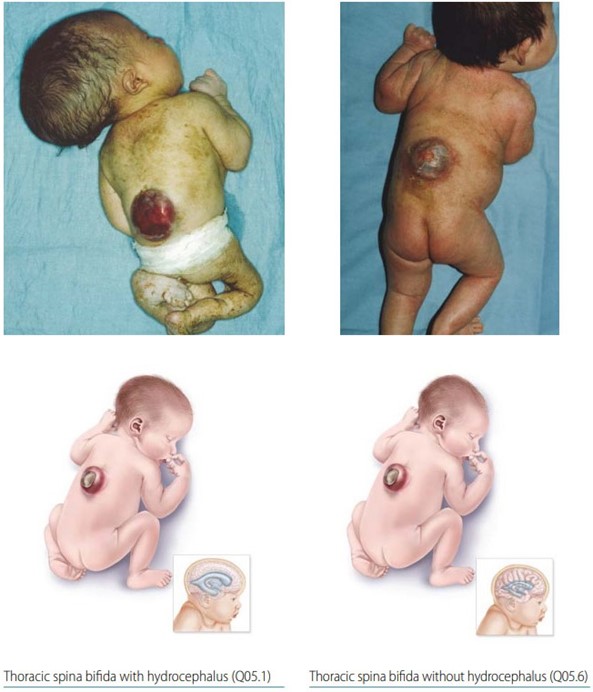
A nurse is teaching about neural tube defects to a group of females who are pregnant.
Which of the following disease processes should the nurse include as an example of a neural tube defect?
A. Hydrocephalus.
Choice A, Hydrocephalus, is not a neural tube defect but rather a condition where there is an accumulation of cerebrospinal fluid within the brain.
B. Cerebral palsy.
Choice B, Cerebral palsy, is not a neural tube defect but rather a group of disorders that affect movement and muscle tone or posture.
C. Spina bifida.
Neural tube defects are birth defects of the brain, spine, or spinal cord that happen in the first month of pregnancy. Spina bifida is a neural tube defect that affects the spine.
D. Muscular dystrophy.
Choice D, Muscular dystrophy, is not a neural tube defect but rather a group of genetic diseases that cause progressive weakness and loss of muscle mass.
Full Explanation
Neural tube defects are birth defects of the brain, spine, or spinal cord that happen in the first month of pregnancy.
Spina bifida is a neural tube defect that affects the spine.
Choice A, Hydrocephalus, is not a neural tube defect but rather a condition where there is an accumulation of cerebrospinal fluid within the brain.
Choice B, Cerebral palsy, is not a neural tube defect but rather a group of disorders that affect movement and muscle tone or posture.
Choice D, Muscular dystrophy, is not a neural tube defect but rather a group of genetic diseases that cause progressive weakness and loss of muscle mass.
A nurse is caring for an adolescent who has spina bifida and is paralyzed from the waist down. Which of the following statements by the client should indicate to the nurse a need for further teaching?
A. "I do wheelchair exercises while watching TV.".
Choice A, “I do wheelchair exercises while watching TV,” is a positive statement because exercise is important for overall health and well-being.
B. "I carry a water bottle with me because I drink a lot of water.".
Choice B, “I carry a water bottle with me because I drink a lot of water,” is also a positive statement because staying hydrated is important for overall health.
C. "I use a suppository every night to have a bowel movement.".
Choice C, “I use a suppository every night to have a bowel movement,” is not necessarily an indication for further teaching because some individuals with spinal bifida may need to use bowel management techniques such as suppositories to help regulate bowel movements.
D. "I only need to catheterize myself twice every day.".
Individuals with spina bifida who are paralyzed from the waist down may have difficulty emptying their bladder completely and may need to perform intermittent catheterization. The frequency of catheterization can vary depending on the individual’s needs, but it is typically performed every 3-6 hours or 4-6 times per day.
Full Explanation
Individuals with spina bifida who are paralyzed from the waist down may have difficulty emptying their bladder completely and may need to perform intermittent catheterization.
The frequency of catheterization can vary depending on the individual’s needs, but it is typically performed every 3-6 hours or 4-6 times per day.
Choice A, “I do wheelchair exercises while watching TV,” is a positive statement because exercise is important for overall health and well-being.
Choice B, “I carry a water bottle with me because I drink a lot of water,” is also a positive statement because staying hydrated is important for overall health.
Choice C, “I use a suppository every night to have a bowel movement,” is not necessarily an indication for further teaching because some individuals with spinal bifida may need to use bowel management techniques such as suppositories to help regulate bowel movements.
A nurse reports an incident of suspected child abuse. One of the parents of the child becomes upset and demands to know the reason
for the nurse's action.
Which of the following responses by the nurse is appropriate?
A. "The provider will be coming to explain the situation.".
Choice A is not an answer because it does not address the parent’s concern and instead defers responsibility to the provider.
B. "As a nurse, I am required by law to report suspected child abuse.".
This response is appropriate because it informs the parent that the nurse has a legal obligation to report any suspected child abuse.
C. "I am unable to discuss this, but I can contact my supervisor to speak with you.".
Choice C is not an answer because it does not provide any information to the parent and instead suggests contacting a supervisor.
D. "I reported the incident to my supervisor who decided to contact the authorities.".
Choice D is not an answer because it implies that the decision to report the incident was made by the supervisor and not the nurse.
Full Explanation
This response is appropriate because it informs the parent that the nurse has a legal obligation to report any suspected child abuse.
Choice A is not an answer because it does not address the parent’s concern and instead defers responsibility to the provider.
Choice C is not an answer because it does not provide any information to the parent and instead suggests contacting a supervisor.
Choice D is not an answer because it implies that the decision to report the incident was made by the supervisor and not the nurse.