
Nursing practice questions with comprehensive rationales
NurseDive Free Nursing Practice Question
After completing a neurological assessment, the nurse documents that the client is stuporous. Which of the following describes this level of consciousness?
A. Minimal movement, verbal responses limited to sounds, awakens briefly only with extreme vigorous stimulation.
reason: This is the correct answer because this describes a stupor, which is a state of near-unconsciousness or reduced responsiveness. A stuporous client shows minimal movement and verbal responses and requires extreme vigorous stimulation such as painful stimuli to awaken briefly.
B. Extremely drowsy, minimally responsive, limited ability to follow commands, vigorous stimulation needed to waken.
reason: This is incorrect because this describes obtundation, which is a state of reduced alertness or awareness. An obtunded client is extremely drowsy and minimally responsive and requires vigorous stimulation such as shaking or shouting to wake.
C. Alert and oriented x3, sluggish, drowsy, wakes to voice or gentle shaking.
reason: This is incorrect because this describes lethargy, which is a state of decreased energy or activity. A lethargic client is alert and oriented x3 (to person, place, and time), but sluggish and drowsy, and wakes to voice or gentle shaking.
D. Does not respond to verbal stimuli, does not speak, decorticate/decerebrate posturing in response to pain.
reason: This is incorrect because this describes a coma, which is a state of deep unconsciousness or unresponsiveness. A comatose client does not respond to verbal stimuli or speak and shows abnormal posturing in response to pain, such as decorticate (flexion of arms and extension of legs) or decerebrate (extension of arms and legs).
This question is an excerpt from Nurse Dive's nursing test bank - ATI Med Surg Proctored Exam 4. Take the full exam now
Full Explanation
Choice A reason: This is the correct answer because this describes a stupor, which is a state of near-unconsciousness or reduced responsiveness. A stuporous client shows minimal movement and verbal responses and requires extreme vigorous stimulation such as painful stimuli to awaken briefly.
Choice B reason: This is incorrect because this describes obtundation, which is a state of reduced alertness or awareness. An obtunded client is extremely drowsy and minimally responsive and requires vigorous stimulation such as shaking or shouting to wake.
Choice C reason: This is incorrect because this describes lethargy, which is a state of decreased energy or activity. A lethargic client is alert and oriented x3 (to person, place, and time), but sluggish and drowsy, and wakes to voice or gentle shaking.
Choice D reason: This is incorrect because this describes a coma, which is a state of deep unconsciousness or unresponsiveness. A comatose client does not respond to verbal stimuli or speak and shows abnormal posturing in response to pain, such as decorticate (flexion of arms and extension of legs) or decerebrate (extension of arms and legs).
Similar Questions
The primary health care provider has determined that a client has contracted hepatitis A based on flu-like symptoms and jaundice. Which statement made by the client supports this medical diagnosis?
A. "I ate shellfish about 2 weeks ago at a local restaurant."
Reason: "I ate shellfish about 2 weeks ago at a local restaurant." supports the medical diagnosis of hepatitis A, which is an infection of the liver caused by the hepatitis A virus (HAV). HAV is transmitted by fecal-oral route, meaning that it can be contracted by ingesting contaminated food or water, such as raw or undercooked shellfish from polluted waters. The incubation period for hepatitis A is about two to six weeks.
B. "I was an intravenous drug abuser in the past and shared needles."
Reason: "I was an intravenous drug abuser in the past and shared needles." does not support the medical diagnosis of hepatitis A, but may indicate exposure to hepatitis B or C, which are infections of the liver caused by the hepatitis B virus (HBV) or hepatitis C virus (HCV). HBV and HCV are transmitted by blood or body fluids, meaning that they can be contracted by sharing needles, syringes, or other injection equipment with infected people.
C. "I had a blood transfusion in 1980 after major abdominal surgery."
Reason: "I had a blood transfusion in 1980 after major abdominal surgery." does not support the medical diagnosis of hepatitis A, but may indicate exposure to hepatitis B or C, which are infections of the liver caused by the hepatitis B virus (HBV) or hepatitis C virus (HCV). HBV and HCV are transmitted by blood or body fluids, meaning that they can be contracted by receiving blood transfusions or organ transplants from infected donors. However, since 1992, all donated blood in the United States has been screened for HBV and HCV.
D. "I have had unprotected sex with multiple partners."
Reason: "I have had unprotected sex with multiple partners." does not support the medical diagnosis of hepatitis A, but may indicate exposure to hepatitis B or C, which are infections of the liver caused by the hepatitis B virus (HBV) or hepatitis C virus (HCV). HBV and HCV are transmitted by blood or body fluids, meaning that they can be contracted by having unprotected sex with infected people. However, sexual transmission of HAV is rare, unless there is contact with fecal matter.
Full Explanation
Choice A Reason: "I ate shellfish about 2 weeks ago at a local restaurant." supports the medical diagnosis of hepatitis A, which is an infection of the liver caused by the hepatitis A virus (HAV). HAV is transmitted by fecal-oral route, meaning that it can be contracted by ingesting contaminated food or water, such as raw or undercooked shellfish from polluted waters. The incubation period for hepatitis A is about two to six weeks.
Choice B Reason: "I was an intravenous drug abuser in the past and shared needles." does not support the medical diagnosis of hepatitis A, but may indicate exposure to hepatitis B or C, which are infections of the liver caused by the hepatitis B virus (HBV) or hepatitis C virus (HCV). HBV and HCV are transmitted by blood or body fluids, meaning that they can be contracted by sharing needles, syringes, or other injection equipment with infected people.
Choice C Reason: "I had a blood transfusion in 1980 after major abdominal surgery." does not support the medical diagnosis of hepatitis A, but may indicate exposure to hepatitis B or C, which are infections of the liver caused by the hepatitis B virus (HBV) or hepatitis C virus (HCV). HBV and HCV are transmitted by blood or body fluids, meaning that they can be contracted by receiving blood transfusions or organ transplants from infected donors. However, since 1992, all donated blood in the United States has been screened for HBV and HCV.
Choice D Reason: "I have had unprotected sex with multiple partners." does not support the medical diagnosis of hepatitis A, but may indicate exposure to hepatitis B or C, which are infections of the liver caused by the hepatitis B virus (HBV) or hepatitis C virus (HCV). HBV and HCV are transmitted by blood or body fluids, meaning that they can be contracted by having unprotected sex with infected people. However, sexual transmission of HAV is rare, unless there is contact with fecal matter.
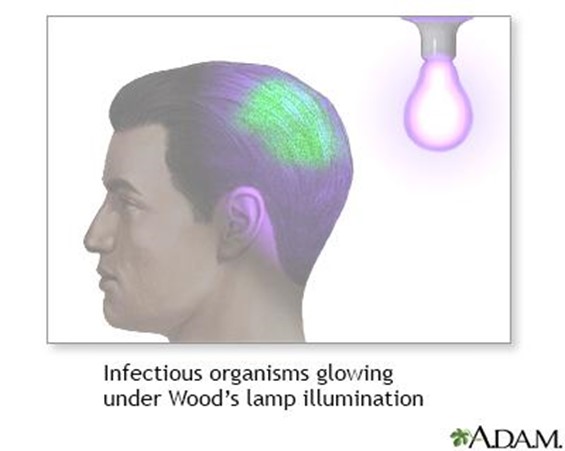
The physician suspects a client has a dermatological infection. Which of the following diagnostics will be ordered to observe color changes to the skin using an ultraviolet light source?
A. Culture
Reason: Culture is not a diagnostic test that uses an ultraviolet light source, but a laboratory test that involves growing microorganisms from a sample of body fluid or tissue. Culture can help identify the type and sensitivity of the infection-causing agent.
B. KOH
Reason: KOH is not a diagnostic test that uses an ultraviolet light source, but a chemical test that involves applying potassium hydroxide to a sample of skin, hair, or nail. KOH can help diagnose fungal infections by dissolving the keratin and revealing the fungal elements under a microscope.
C. Diascopy
Reason: Diascopy is not a diagnostic test that uses an ultraviolet light source, but a physical test that involves applying pressure to a lesion with a glass slide or lens. Diascopy can help differentiate between blanchable and non-blanchable lesions, such as erythema or petechiae.
D. Wood's
Reason: Wood's is a diagnostic test that uses an ultraviolet light source, also known as a Wood's lamp or black light. Wood's can help observe color changes to the skin that are not visible under normal light, such as fluorescence or hypopigmentation. Wood's can help diagnose conditions such as tinea capitis, vitiligo, or erythrasma.
Full Explanation
Choice A Reason: Culture is not a diagnostic test that uses an ultraviolet light source, but a laboratory test that involves growing microorganisms from a sample of body fluid or tissue. Culture can help identify the type and sensitivity of the infection-causing agent.
Choice B Reason: KOH is not a diagnostic test that uses an ultraviolet light source, but a chemical test that involves applying potassium hydroxide to a sample of skin, hair, or nail. KOH can help diagnose fungal infections by dissolving the keratin and revealing the fungal elements under a microscope.
Choice C Reason: Diascopy is not a diagnostic test that uses an ultraviolet light source, but a physical test that involves applying pressure to a lesion with a glass slide or lens. Diascopy can help differentiate between blanchable and non-blanchable lesions, such as erythema or petechiae.
Choice D Reason: Wood's is a diagnostic test that uses an ultraviolet light source, also known as a Wood's lamp or black light. Wood's can help observe color changes to the skin that are not visible under normal light, such as fluorescence or hypopigmentation. Wood's can help diagnose conditions such as tinea capitis, vitiligo, or erythrasma.
A nurse is caring for a client who is postoperative from glaucoma surgery in the right eye. Which of the following will the nurse include in the postoperative education to the client? (Select all that apply.)
A. You will be able to drive home right after you have voided.
Choice A reason: This is incorrect because the nurse should not include this in the postoperative education to the client. The client should not drive home after glaucoma surgery, as they will have reduced vision and increased sensitivity to light in the operated eye. The nurse should advise the client to arrange for someone else to drive them home.
B. Lay on the right side when going to bed.
Choice B reason: This is incorrect because the nurse should not include this in the postoperative education to the client. The client should not lay on the right side when going to bed, as this can put pressure on the operated eye and increase the risk of bleeding or infection. The nurse should advise the client to sleep on their back or on their left side.
C. Report flashing lights.
Choice C reason: This is correct because the nurse should include this in the postoperative education to the client. The client should report flashing lights, as this can indicate a complication such as retinal detachment or vitreous hemorrhage. The nurse should instruct the client to call the provider immediately if they see flashing lights.
D. Nap on your left side when you get home.
Choice D reason: This is incorrect because the nurse should not include this in the postoperative education to the client. The client should not nap on their left side when they get home, as this can cause fluid accumulation and increased intraocular pressure in the operated eye. The nurse should advise the client to elevate their head at least 30 degrees when resting.
E. Avoid housework like vacuuming.
Choice E reason: This is correct because the nurse should include this in the postoperative education to the client. The client should avoid housework like vacuuming, as this can cause bending, lifting, or straining that can increase intraocular pressure and affect wound healing. The nurse should advise the client to limit physical activity and follow the provider's instructions on when to resume normal activities.
F. Flashes of light are normal.
Choice F reason: This is correct because the nurse should include this in the postoperative education to the client. The client may see flashes of light in the operated eye, as this is a normal phenomenon caused by stimulation of the retina by gas bubbles or fluid shifts. The nurse should reassure the client that flashes of light are normal and will subside over time.
Full Explanation
Choice A reason: This is incorrect because the nurse should not include this in the postoperative education to the client. The client should not drive home after glaucoma surgery, as they will have reduced vision and increased sensitivity to light in the operated eye. The nurse should advise the client to arrange for someone else to drive them home.
Choice B reason: This is incorrect because the nurse should not include this in the postoperative education to the client. The client should not lay on the right side when going to bed, as this can put pressure on the operated eye and increase the risk of bleeding or infection. The nurse should advise the client to sleep on their back or on their left side.
Choice C reason: This is correct because the nurse should include this in the postoperative education to the client. The client should report flashing lights, as this can indicate a complication such as retinal detachment or vitreous hemorrhage. The nurse should instruct the client to call the provider immediately if they see flashing lights.
Choice D reason: This is incorrect because the nurse should not include this in the postoperative education to the client. The client should not nap on their left side when they get home, as this can cause fluid accumulation and increased intraocular pressure in the operated eye. The nurse should advise the client to elevate their head at least 30 degrees when resting.
Choice E reason: This is correct because the nurse should include this in the postoperative education to
the client. The client should avoid housework like vacuuming, as this can cause bending, lifting, or straining that can increase intraocular pressure and affect wound healing. The nurse should advise the client to limit physical activity and follow the provider's instructions on when to resume normal activities.
Choice F reason: This is correct because the nurse should include this in the postoperative education to
the client. The client may see flashes of light in the operated eye, as this is a normal phenomenon caused by stimulation of the retina by gas bubbles or fluid shifts. The nurse should reassure the client that flashes of light are normal and will subside over time.