
Nursing practice questions with comprehensive rationales
NurseDive Free Nursing Practice Question
After several therapeutic sessions with a client who recently attempted suicide, which occurrence should cause the nurse to consider the possibility of transference?
Select one:
A. The nurse develops a trusting relationship with the patient.
B. The patient states,” Talking to you feels like talking to my parents and uncle."
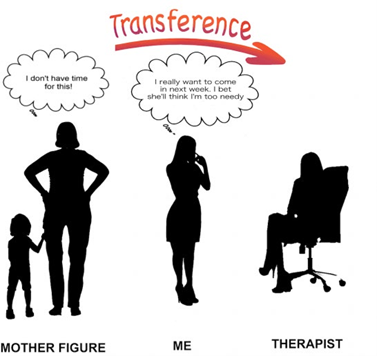
This statement by the patient suggests that they may be projecting their feelings, thoughts, and attitudes toward their parents and uncle onto the therapist. This projection is a common phenomenon in therapy and is known as transference. Transference occurs when a patient transfers emotions, desires, and expectations from one person to another, usually the therapist. It can be positive or negative and can affect the therapeutic relationship. Therefore, the statement "Talking to you feels like talking to my parents and uncle" is a clear indication of transference and should be carefully considered by the therapist in the ongoing therapy sessions. The therapist should explore the patient's feelings and experiences with their parents and uncle to better understand the nature of the transference and how it may be affecting the therapeutic process.
C. The patient's reactions toward the nurse seem realistic and appropriate.
D. The nurse feels unusually and excessively happy when the patient's mood begins to lift.
This question is an excerpt from Nurse Dive's nursing test bank - Mental Health - Proctored Exam 2. Take the full exam now
Full Explanation
This statement by the patient suggests that they may be projecting their feelings, thoughts, and attitudes toward their parents and uncle onto the therapist. This projection is a common phenomenon in therapy and is known as transference. Transference occurs when a patient transfers emotions, desires, and expectations from one person to another, usually the therapist. It can be positive or negative and can affect the therapeutic relationship.
Therefore, the statement "Talking to you feels like talking to my parents and uncle" is a clear indication of transference and should be carefully considered by the therapist in the ongoing therapy sessions. The therapist should explore the patient's feelings and experiences with their parents and uncle to better understand the nature of the transference and how it may be affecting the therapeutic process.
Similar Questions
A patient cries as the nurse explores the patient's relationship with a deceased parent. The patient says, “I shouldn't be crying like this, it happened a long time ago.” Which responses by the nurse will facilitate communication? Select all that apply.
Select one or more:
A. “I can see that you feel sad about this situation.”
These responses by the nurse show empathy and validate the patient’s feelings. They also encourage the patient to continue expressing their emotions and facilitate communication.
B. "Don't be sad, everyone has to pass for something like this in the life.”
Option b. “Don’t be sad, everyone has to pass for something like this in the life” is not a helpful response because it minimizes the patient’s feelings and may make them feel like their emotions are not valid.
C. I felt very sad when my mother died, it was horrible!
Option c. “I felt very sad when my mother died, it was horrible!” is not a helpful response because it shifts the focus of the conversation away from the patient and onto the nurse’s personal experience.
D. "Let's talk about something else. this subject is upsetting you, don't worry about this."
Option d. “Let’s talk about something else. this subject is upsetting you, don’t worry about this” is not a helpful response because it dismisses the patient’s emotions and may make them feel like they are not allowed to express their feelings.
E. “The loss of your parent should be very painful for you."
These responses by the nurse show empathy and validate the patient’s feelings. They also encourage the patient to continue expressing their emotions and facilitate communication.
Full Explanation
a. “I can see that you feel sad about this situation”.
e. “The loss of your parent should be very painful for you.”
These responses by the nurse show empathy and validate the patient’s feelings. They also encourage the patient to continue expressing their emotions and facilitate communication.
Option b. “Don’t be sad, everyone has to pass for something like this in the life” is not a helpful response
because it minimizes the patient’s feelings and may make them feel like their emotions are not valid.
Option c. “I felt very sad when my mother died, it was horrible!” is not a helpful response because it shifts the focus of the conversation away from the patient and onto the nurse’s personal experience.
Option d. “Let’s talk about something else. this subject is upsetting you, don’t worry about this” is not a helpful response because it dismisses the patient’s emotions and may make them feel like they are not allowed to express their feelings.
In a Behavioral Health Unit team meeting, a registered nurse Says, "l am concerned if we are behaving ethically by using restraint to prevent one patient from self-mutilation while the care plan for another patient who has also self-mutilated issues calls for one-on-one supervision."
Which ethical principle most clearly applies to this situation?
A. Veracity
Option a. Veracity refers to the principle of truth-telling and honesty.
B. Non maleficence
Option b. non-maleficence refers to the principle of doing no harm.
C. Autonomy
Option c. Autonomy refers to the principle of respecting an individual’s right to make their own decisions.
D. Justice
The ethical principle of justice refers to the fair and equal treatment of all individuals. In this situation, the nurse is concerned about whether the team is behaving ethically by using different approaches to prevent self-mutilation in two patients. The nurse is questioning whether the team is treating both patients fairly and equally.
Full Explanation
The ethical principle of justice refers to the fair and equal treatment of all individuals. In this situation, the nurse is concerned about whether the team is behaving ethically by using different approaches to prevent self-mutilation in two patients. The nurse is questioning whether the team is treating both patients fairly and equally.
Option a. Veracity refers to the principle of truth-telling and honesty.
Option b. non-maleficence refers to the principle of doing no harm.
Option c. Autonomy refers to the principle of respecting an individual’s right to make their own decisions.
A nurse is caring for several clients who are attending community-based mental health programs. Which Of the following clients should the nurse plan to visit first?
Select one:
A. A client who recently burned her arm by accident while using a hot iron at home.
Option a. A client who recently burned her arm by accident while using a hot iron at home may require wound care and education on safety, but this situation is not as urgent as the client experiencing auditory hallucinations.
B. A client who tells the nurse he experienced manifestations of severe anxiety before and during a job interview.
Option b. A client who tells the nurse he experienced manifestations of severe anxiety before and during a job interview may benefit from interventions to manage anxiety, but this situation is not as urgent as the client experiencing auditory hallucinations.
C. A client who requests that her antipsychotic medication be changed due to some new adverse effects.
Option c. A client who requests that her antipsychotic medication be changed due to some new adverse effects may require medication adjustment and monitoring for side effects, but this situation is not as urgent as the client experiencing auditory hallucinations.
D. A client that says he is hearing a voice that tells him he is not worthy of living anymore.
This client is experiencing auditory hallucinations and may be at risk for self-harm or suicide. The nurse should prioritize visiting this client first to assess their safety and provide appropriate interventions.
Full Explanation
This client is experiencing auditory hallucinations and may be at risk for self-harm or suicide. The nurse should prioritize visiting this client first to assess their safety and provide appropriate interventions.
Option a. A client who recently burned her arm by accident while using a hot iron at home may require wound care and education on safety, but this situation is not as urgent as the client experiencing auditory hallucinations.
Option b. A client who tells the nurse he experienced manifestations of severe anxiety before and during a job interview may benefit from interventions to manage anxiety, but this situation is not as urgent as the client experiencing auditory hallucinations.
Option c. A client who requests that her antipsychotic medication be changed due to some new adverse effects may require medication adjustment and monitoring for side effects, but this situation is not as urgent as the client experiencing auditory hallucinations.