
Nursing practice questions with comprehensive rationales
NurseDive Free Nursing Practice Question
An adolescent who was diagnosed with type 1 diabetes mellitus at the age of 9, is admitted to the hospital in diabetic ketoacidosis. Which occurrence is the most likely cause of the ketoacidosis?
A. Skipped eating lunch.
Skipped eating lunch would more likely cause hypoglycemia rather than diabetic ketoacidosis (DKA). When a person with type 1 diabetes skips a meal but still takes insulin, blood glucose levels drop, leading to hypoglycemia, not the elevated glucose and ketone production seen in DKA.
B. Incorrectly administered too much insulin.
Incorrectly administered too much insulin would also result in hypoglycemia rather than DKA. Administering excessive insulin causes blood glucose levels to fall too low, which does not trigger the fat breakdown and ketone production that characterize DKA.
C. Had a cold and ear infection for the past two days.
Had a cold and ear infection for the past two days is the most likely cause of diabetic ketoacidosis. Illness and infection cause the body to release stress hormones such as cortisol and adrenaline, which increase blood glucose levels and counteract insulin. In type 1 diabetes, insufficient insulin leads to hyperglycemia, fat breakdown for energy, and the production of ketones, resulting in DKA.
D. Ate an extra peanut butter sandwich before gym class.
Ate an extra peanut butter sandwich before gym class would not cause DKA. Consuming extra food may raise blood glucose temporarily, but it would not lead to the severe insulin deficiency and ketone production seen in DKA, especially if the adolescent took insulin as prescribed.
E. None
None
F. None
None
This question is an excerpt from Nurse Dive's nursing test bank - HESI Exit LPN Proctored Exam 1. Take the full exam now
Full Explanation
A. Skipped eating lunch would more likely cause hypoglycemia rather than diabetic ketoacidosis (DKA). When a person with type 1 diabetes skips a meal but still takes insulin, blood glucose levels drop, leading to hypoglycemia, not the elevated glucose and ketone production seen in DKA.
B. Incorrectly administered too much insulin would also result in hypoglycemia rather than DKA. Administering excessive insulin causes blood glucose levels to fall too low, which does not trigger the fat breakdown and ketone production that characterize DKA.
C. Had a cold and ear infection for the past two days is the most likely cause of diabetic ketoacidosis. Illness and infection cause the body to release stress hormones such as cortisol and adrenaline, which increase blood glucose levels and counteract insulin. In type 1 diabetes, insufficient insulin leads to hyperglycemia, fat breakdown for energy, and the production of ketones, resulting in DKA.
D. Ate an extra peanut butter sandwich before gym class would not cause DKA. Consuming extra food may raise blood glucose temporarily, but it would not lead to the severe insulin deficiency and ketone production seen in DKA, especially if the adolescent took insulin as prescribed.
Similar Questions
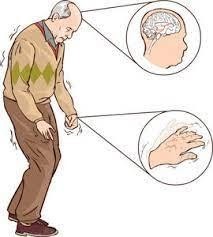
The nurse enters the room of a client with Parkinson's disease who is taking carbidopa-levodopa. The client is rising slowly from the chair while the unlicensed assistive personnel (UAP) stands next to the chair. Which action should the nurse take?
A. Affirm that the client should rise slowly from the chair.
Correct- Clients with Parkinson's disease often experience bradykinesia and impaired mobility. Rising slowly from a seated position is important to prevent falls and maintain stability. Affirming the correct movement strategy promotes the client's safety.
B. Tell the UAP to assist the client in moving more quickly.
Incorrect- Telling the UAP to make the client move more quickly could be unsafe and not appropriate for a client with Parkinson's disease. Rapid movements might lead to balance issues or falls.
C. Demonstrate how to help the client move more efficiently.
Incorrect- While demonstrating proper technique might be helpful, it's not the most immediate action the nurse should take. The client's safety and well-being are the priority.
D. Offer a PRN analgesic to reduce painful movement.
Incorrect- Painful movement is not the primary issue here. The client's movement is slow due to Parkinson's disease, and this is expected.
Full Explanation
A) Correct- Clients with Parkinson's disease often experience bradykinesia and impaired mobility. Rising slowly from a seated position is important to prevent falls and maintain stability. Affirming the correct movement strategy promotes the client's safety.
B) Incorrect- Telling the UAP to make the client move more quickly could be unsafe and not appropriate for a client with Parkinson's disease. Rapid movements might lead to balance issues or falls.
C) Incorrect- While demonstrating proper technique might be helpful, it's not the most immediate action the nurse should take. The client's safety and well-being are the priority.
D) Incorrect- Painful movement is not the primary issue here. The client's movement is slow due to Parkinson's disease, and this is expected.
A client with chronic kidney disease reports to the nurse of feeling increasingly tired. The client receives injections for epoetin alfa three times a week. Which laboratory value should the nurse review?
A. Liver enzymes.
Incorrect- Liver enzymes are important for assessing liver function, but they are not the primary concern when a client with chronic kidney disease is feeling increasingly tired. Epoetin alfa injections are used to stimulate red blood cell production, so the nurse should review a laboratory value related to anemia.
B. Complete blood count.
Correct- Epoetin alfa is a medication that stimulates the production of red blood cells and is often used to treat anemia associated with chronic kidney disease. A complete blood count (CBC) would provide information about red blood cell levels, hemoglobin, and hematocrit, which are essential for assessing the effectiveness of the treatment.
C. Serum electrolytes.
Incorrect- Serum electrolytes are important for assessing overall kidney function and electrolyte balance, but the primary concern here is the client's increasing fatigue. Reviewing a value related to anemia and red blood cell production would be more appropriate.
D. Platelet count.
Incorrect- Platelet count is important for assessing blood clotting function, but it's not directly related to the client's increasing fatigue. Anemia-related laboratory values should be the focus.
Full Explanation
A) Incorrect- Liver enzymes are important for assessing liver function, but they are not the primary concern when a client with chronic kidney disease is feeling increasingly tired. Epoetin alfa injections are used to stimulate red blood cell production, so the nurse should review a laboratory value related to anemia.
B) Correct- Epoetin alfa is a medication that stimulates the production of red blood cells and is often used to treat anemia associated with chronic kidney disease. A complete blood count (CBC) would provide information about red blood cell levels, hemoglobin, and hematocrit, which are essential for assessing the effectiveness of the treatment.
C) Incorrect- Serum electrolytes are important for assessing overall kidney function and electrolyte balance, but the primary concern here is the client's increasing fatigue. Reviewing a value related to anemia and red blood cell production would be more appropriate.
D) Incorrect- Platelet count is important for assessing blood clotting function, but it's not directly related to the client's increasing fatigue. Anemia-related laboratory values should be the focus.
A client who was admitted yesterday with severe dehydration is reporting pain where a 24 gauge intravenous (IV) catheter with normal saline is infusing at a rate of 150 mL/hour. Which intervention should the nurse implement first?
A. Establish a second IV site.
Incorrect- While a second IV site might be considered if the first one is causing significant discomfort, it's not the initial intervention. The nurse should first address the immediate concern of pain.
B. Stop the normal saline infusion.
Correct- Pain at the IV site during infusion might indicate infiltration or irritation. Stopping the infusion is the most immediate intervention to prevent further discomfort and potential complications like tissue damage.
C. Assess the IV for blood return. D. Discontinue the 24 gauge IV.
Incorrect- While assessing for blood return is important to ensure proper IV placement, it's not the initial intervention for managing pain caused by the infusion.
D. Discontinue the 24 gauge IV.
Incorrect- Discontinuing the IV might be considered if the pain is severe and unmanageable, but the nurse should initially try to address the discomfort without removing the IV.
Full Explanation
A) Incorrect- While a second IV site might be considered if the first one is causing significant discomfort, it's not the initial intervention. The nurse should first address the immediate concern of pain.
B) Correct- Pain at the IV site during infusion might indicate infiltration or irritation. Stopping the infusion is the most immediate intervention to prevent further discomfort and potential complications like tissue damage.
C) Incorrect- While assessing for blood return is important to ensure proper IV placement, it's not the initial intervention for managing pain caused by the infusion.
D) Incorrect- Discontinuing the IV might be considered if the pain is severe and unmanageable, but the nurse should initially try to address the discomfort without removing the IV.