Nursing practice questions with comprehensive rationales
NurseDive Free Nursing Practice Question
A. Administer levetiracetam intravenously.
: Administering levetiracetam intravenously is not the first intervention. While levetiracetam is an antiepileptic drug used to control seizures, it is not the first-line treatment for an ongoing seizure, especially one lasting as long as 15 minutes. The priority in this situation is to stop the seizure activity immediately to prevent further complications, such as neuronal damage or status epilepticus. Levetiracetam may be used later for maintenance therapy, but it is not the initial emergency intervention.
B. Obtain a STAT electroencephalogram.
: Obtaining a STAT electroencephalogram (EEG) is important for diagnosing and understanding the type of seizure activity, but it is not the first intervention. The immediate priority is to stop the seizure. An EEG can be performed after the seizure has been controlled to assess brain activity and guide further treatment. Delaying the administration of an anticonvulsant to perform an EEG could result in prolonged seizure activity and increased risk of complications.
C. Administer lorazepam intravenously.
: Administering lorazepam intravenously is the most appropriate first intervention. Lorazepam is a benzodiazepine that acts quickly to stop seizure activity. It is the drug of choice for treating status epilepticus and prolonged seizures because of its rapid onset and effectiveness. Administering lorazepam helps to quickly terminate the seizure, reducing the risk of complications and stabilizing the patient for further evaluation and treatment.
D. Obtain a STAT 12-lead electrocardiogram.
: Obtaining a STAT 12-lead electrocardiogram (ECG) is not the first intervention. While an ECG can provide valuable information about the patient’s cardiac status, it does not address the immediate need to stop the seizure. The priority is to administer an anticonvulsant to terminate the seizure. Once the seizure is controlled, an ECG can be performed to assess any potential cardiac issues, especially if the patient has a history of cardiac problems or if the seizure was triggered by a cardiac event.
This question is an excerpt from Nurse Dive's nursing test bank - Final Med Surg Comprehensive Proctored Exam (Brooklyn University). Take the full exam now
Full Explanation
Choice A Reason:
Administering levetiracetam intravenously is not the first intervention. While levetiracetam is an antiepileptic drug used to control seizures, it is not the first-line treatment for an ongoing seizure, especially one lasting as long as 15 minutes. The priority in this situation is to stop the seizure activity immediately to prevent further complications, such as neuronal damage or status epilepticus. Levetiracetam may be used later for maintenance therapy, but it is not the initial emergency intervention.
Choice B Reason:
Obtaining a STAT electroencephalogram (EEG) is important for diagnosing and understanding the type of seizure activity, but it is not the first intervention. The immediate priority is to stop the seizure. An EEG can be performed after the seizure has been controlled to assess brain activity and guide further treatment. Delaying the administration of an anticonvulsant to perform an EEG could result in prolonged seizure activity and increased risk of complications.
Choice C Reason:
Administering lorazepam intravenously is the most appropriate first intervention. Lorazepam is a benzodiazepine that acts quickly to stop seizure activity. It is the drug of choice for treating status epilepticus and prolonged seizures because of its rapid onset and effectiveness. Administering lorazepam helps to quickly terminate the seizure, reducing the risk of complications and stabilizing the patient for further evaluation and treatment.
Choice D Reason:
Obtaining a STAT 12-lead electrocardiogram (ECG) is not the first intervention. While an ECG can provide valuable information about the patient’s cardiac status, it does not address the immediate need to stop the seizure. The priority is to administer an anticonvulsant to terminate the seizure. Once the seizure is controlled, an ECG can be performed to assess any potential cardiac issues, especially if the patient has a history of cardiac problems or if the seizure was triggered by a cardiac event.
Similar Questions
A client with chronic lung disease is prescribed 40% oxygen via face mask. Which finding indicates to the nurse that the client is experiencing oxygen toxicity? Select all that apply.
A. Pink frothy sputum
Pink frothy sputum is a classic sign of pulmonary edema, which can occur as a result of oxygen toxicity. When the alveoli in the lungs fill with fluid, it can lead to this type of sputum. This is a critical indicator that the client is experiencing severe respiratory distress and requires immediate medical attention.
B. Substernal discomfort
Substernal discomfort or chest pain is another symptom of oxygen toxicity. This discomfort arises due to the irritation and inflammation of the lung tissues caused by high levels of oxygen. It is essential to monitor and address this symptom promptly to prevent further complications.
C. Nail clubbing
Nail clubbing is typically associated with chronic hypoxia and long-term lung diseases, but it is not an acute indicator of oxygen toxicity. Therefore, it is not relevant in this context.
D. Restlessness
Restlessness is a common early sign of hypoxia and can also indicate oxygen toxicity. When the brain does not receive adequate oxygen, it can lead to symptoms such as restlessness, confusion, and agitation. This symptom should be taken seriously and addressed immediately.
E. Cyanosis at nail beds
Cyanosis at the nail beds indicates a lack of oxygen in the blood, but it is not specific to oxygen toxicity. It can occur in various conditions where there is inadequate oxygenation, such as chronic obstructive pulmonary disease (COPD) or heart failure.
Full Explanation
Choice A reason: Pink frothy sputum is a classic sign of pulmonary edema, which can occur as a result of oxygen toxicity. When the alveoli in the lungs fill with fluid, it can lead to this type of sputum. This is a critical indicator that the client is experiencing severe respiratory distress and requires immediate medical attention.
Choice B reason: Substernal discomfort or chest pain is another symptom of oxygen toxicity. This discomfort arises due to the irritation and inflammation of the lung tissues caused by high levels of oxygen. It is essential to monitor and address this symptom promptly to prevent further complications.
Choice C reason: Nail clubbing is typically associated with chronic hypoxia and long-term lung diseases, but it is not an acute indicator of oxygen toxicity. Therefore, it is not relevant in this context.
Choice D reason: Restlessness is a common early sign of hypoxia and can also indicate oxygen toxicity. When the brain does not receive adequate oxygen, it can lead to symptoms such as restlessness, confusion, and agitation. This symptom should be taken seriously and addressed immediately.
Choice E reason: Cyanosis at the nail beds indicates a lack of oxygen in the blood, but it is not specific to oxygen toxicity. It can occur in various conditions where there is inadequate oxygenation, such as chronic obstructive pulmonary disease (COPD) or heart failure.
The nurse administers amiodarone to a client with ventricular tachycardia. Which monitoring by the nurse is necessary with this drug? (Select all that apply)
A. Heart rate
Monitoring the heart rate is crucial when administering amiodarone, as this drug can cause bradycardia (a slower than normal heart rate). Amiodarone affects the electrical conduction system of the heart, and close monitoring helps ensure that the heart rate remains within a safe range. The normal resting heart rate for adults is typically between 60 and 100 beats per minute.
B. Respiratory rate
Respiratory rate monitoring is essential because amiodarone can cause pulmonary toxicity, which may manifest as interstitial pneumonitis or pulmonary fibrosis. Early detection of respiratory changes can help prevent severe complications. The normal respiratory rate for adults is 12 to 20 breaths per minute.
C. Heart rhythm
Monitoring heart rhythm is necessary because amiodarone is used to treat arrhythmias, and it can also cause new arrhythmias or exacerbate existing ones. Continuous ECG monitoring helps detect any abnormal rhythms early, allowing for prompt intervention. Normal sinus rhythm is characterized by a regular rhythm with a rate of 60 to 100 beats per minute.
D. Cardiac output
Cardiac output monitoring is important because amiodarone can affect the contractility of the heart and overall cardiac function. Cardiac output is a measure of the amount of blood the heart pumps in one minute, and it is crucial for ensuring adequate tissue perfusion. Normal cardiac output ranges from 4 to 8 liters per minute in adults.
Full Explanation
Choice A reason: Monitoring the heart rate is crucial when administering amiodarone, as this drug can cause bradycardia (a slower than normal heart rate). Amiodarone affects the electrical conduction system of the heart, and close monitoring helps ensure that the heart rate remains within a safe range. The normal resting heart rate for adults is typically between 60 and 100 beats per minute.
Choice B reason: Respiratory rate monitoring is essential because amiodarone can cause pulmonary toxicity, which may manifest as interstitial pneumonitis or pulmonary fibrosis. Early detection of respiratory changes can help prevent severe complications. The normal respiratory rate for adults is 12 to 20 breaths per minute.
Choice C reason: Monitoring heart rhythm is necessary because amiodarone is used to treat arrhythmias, and it can also cause new arrhythmias or exacerbate existing ones. Continuous ECG monitoring helps detect any abnormal rhythms early, allowing for prompt intervention. Normal sinus rhythm is characterized by a regular rhythm with a rate of 60 to 100 beats per minute.
Choice D reason: Cardiac output monitoring is important because amiodarone can affect the contractility of the heart and overall cardiac function. Cardiac output is a measure of the amount of blood the heart pumps in one minute, and it is crucial for ensuring adequate tissue perfusion. Normal cardiac output ranges from 4 to 8 liters per minute in adults.
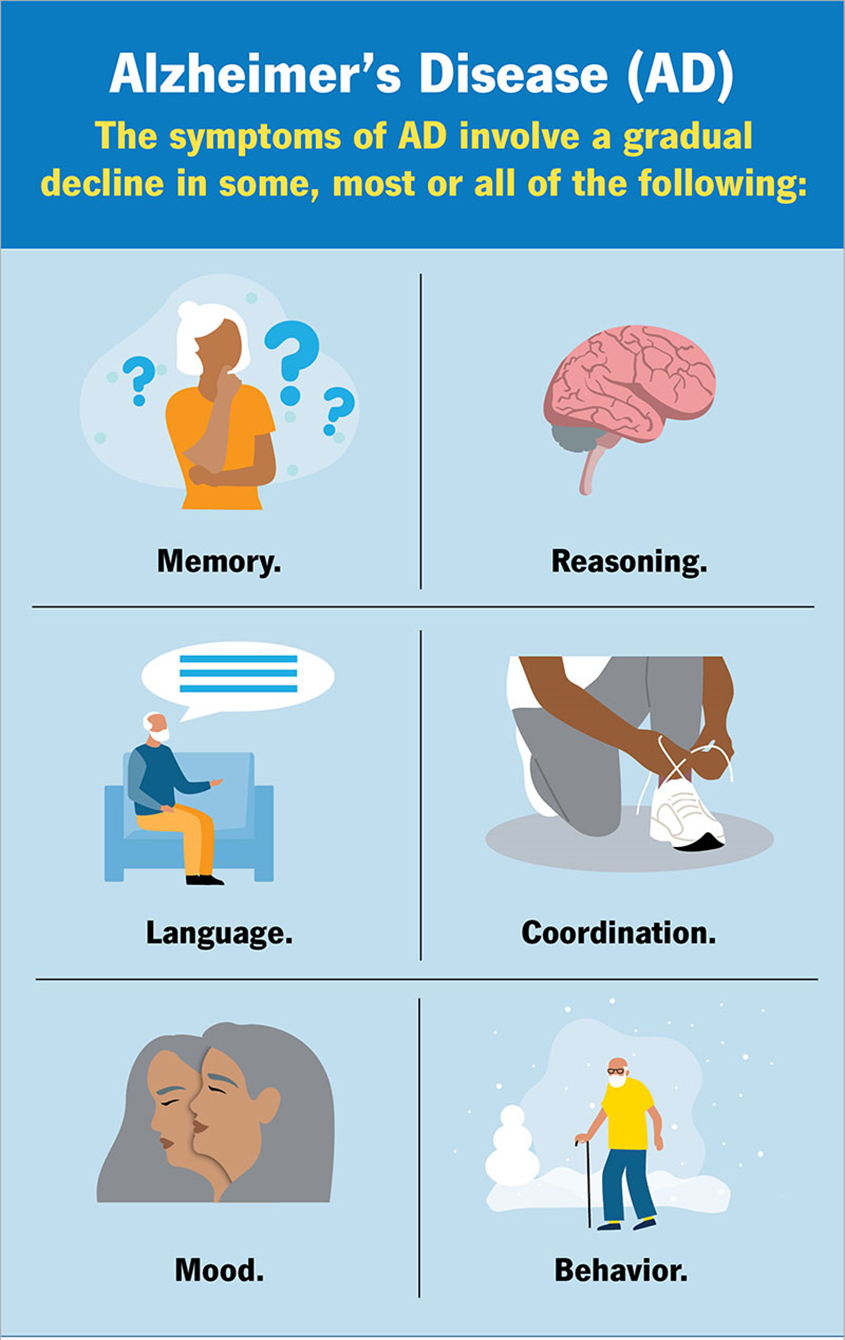
The nurse is planning health teaching for a client starting on donepezil for Alzheimer’s disease (AD). For which side effect will the nurse teach the family to monitor?
A. Low oxygen saturation
: Low oxygen saturation is not a common side effect of donepezil. Donepezil is a cholinesterase inhibitor used to treat symptoms of Alzheimer’s disease by increasing the levels of acetylcholine in the brain. While it can have various side effects, respiratory issues like low oxygen saturation are not typically associated with this medication. Therefore, monitoring for low oxygen saturation is not a primary concern for patients starting donepezil.
B. High blood pressure
: High blood pressure is also not a common side effect of donepezil. The medication primarily affects the central nervous system and does not typically cause significant changes in blood pressure. While it is always important to monitor a patient’s overall health, high blood pressure is not a side effect specifically linked to donepezil use. Therefore, it is not a primary focus for monitoring in this context.
C. Elevated body temperature
: Elevated body temperature is not commonly associated with donepezil. The side effects of donepezil are more likely to involve gastrointestinal issues such as nausea, vomiting, and diarrhea, as well as muscle cramps and fatigue. Elevated body temperature is not a typical reaction to this medication, so it is not a primary concern for monitoring.
D. Low pulse rate
: Low pulse rate, or bradycardia, is a known side effect of donepezil. Donepezil can increase the levels of acetylcholine, which can affect the heart’s electrical conduction system and lead to a slower heart rate. This can be particularly concerning in elderly patients or those with pre-existing heart conditions. Therefore, it is crucial for the nurse to teach the family to monitor the client’s pulse rate regularly and report any significant decreases to the healthcare provider.
Full Explanation
Choice A Reason:
Low oxygen saturation is not a common side effect of donepezil. Donepezil is a cholinesterase inhibitor used to treat symptoms of Alzheimer’s disease by increasing the levels of acetylcholine in the brain. While it can have various side effects, respiratory issues like low oxygen saturation are not typically associated with this medication. Therefore, monitoring for low oxygen saturation is not a primary concern for patients starting donepezil.
Choice B Reason:
High blood pressure is also not a common side effect of donepezil. The medication primarily affects the central nervous system and does not typically cause significant changes in blood pressure. While it is always important to monitor a patient’s overall health, high blood pressure is not a side effect specifically linked to donepezil use. Therefore, it is not a primary focus for monitoring in this context.
Choice C Reason:
Elevated body temperature is not commonly associated with donepezil. The side effects of donepezil are more likely to involve gastrointestinal issues such as nausea, vomiting, and diarrhea, as well as muscle cramps and fatigue. Elevated body temperature is not a typical reaction to this medication, so it is not a primary concern for monitoring.
Choice D Reason:
Low pulse rate, or bradycardia, is a known side effect of donepezil. Donepezil can increase the levels of acetylcholine, which can affect the heart’s electrical conduction system and lead to a slower heart rate. This can be particularly concerning in elderly patients or those with pre-existing heart conditions. Therefore, it is crucial for the nurse to teach the family to monitor the client’s pulse rate regularly and report any significant decreases to the healthcare provider.