Nursing practice questions with comprehensive rationales
NurseDive Free Nursing Practice Question
A. I can choose an avocado dip instead of salsa.
Avocado dip is high in fat and calories, even though it is mostly unsaturated fat. It is not a good choice for a low-fat diet.
B. I will include 7 ounces of fish in my diet weekly.
Fish is a good source of protein and omega-3 fatty acids, which can lower blood cholesterol and triglycerides. The American Heart Association recommends eating at least two servings of fish per week, especially fatty fish like salmon, tuna, and mackerel.
C. I will use margarine on my waffles.
Margarine is made from vegetable oils and may contain trans fats, which can raise LDL (baD. cholesterol and lower HDL (gooD. cholesterol. It is better to use a small amount of butter or a non-fat spread on waffles.
D. I can eat the skin on poultry if it is broiled.
The skin on poultry is high in fat and cholesterol, and should be removed before cooking or eating. Broiling does not reduce the fat content of the skin.
This question is an excerpt from Nurse Dive's nursing test bank - RN Nutrition 2019 Nexy Updated 2023 Proctored Exam. Take the full exam now
Full Explanation
Choice A reason: Avocado dip is high in fat and calories, even though it is mostly unsaturated fat. It is not a good choice for a low-fat diet.
Choice B reason: Fish is a good source of protein and omega-3 fatty acids, which can lower blood cholesterol and triglycerides. The American Heart Association recommends eating at least two servings of fish per week, especially fatty fish like salmon, tuna, and mackerel.
Choice C reason: Margarine is made from vegetable oils and may contain trans fats, which can raise LDL (baD. cholesterol and lower HDL (gooD. cholesterol. It is better to use a small amount of butter or a non-fat spread on waffles.
Choice D reason: The skin on poultry is high in fat and cholesterol, and should be removed before cooking or eating. Broiling does not reduce the fat content of the skin.
Similar Questions
Anune is assessing a client who is receiving total parenteral nutrition (TPN). The nurse should identify which of the following findings as an adverse effect of TPN?
A. Hemoglobin 16 g/dL
Hemoglobin 16 g/dL is within the normal range for adults and does not indicate an adverse effect of TPN.
B. Temperature 36.1°C (97°F)
Temperature 36.1°C (97°F) is normal and does not indicate an infection or inflammation, which are possible complications of TPN.
C. Blood glucose 98 mg/dL
Blood glucose 98 mg/dL is normal and does not indicate hyperglycemia or hypoglycemia, which are common problems associated with TPN.
D. Weight gain of 1.5 kg (3 lB. per day
Weight gain of 1.5 kg (3 lB. per day is excessive and indicates fluid overload, which can result from too rapid or too high infusion of TPN. Fluid overload can cause edema, hypertension, heart failure, and pulmonary congestion.
Full Explanation
Choice A reason: Hemoglobin 16 g/dL is within the normal range for adults and does not indicate an adverse effect of TPN.
Choice B reason: Temperature 36.1°C (97°F) is normal and does not indicate an infection or inflammation, which are possible complications of TPN.
Choice C reason: Blood glucose 98 mg/dL is normal and does not indicate hyperglycemia or hypoglycemia, which are common problems associated with TPN.
Choice D reason: Weight gain of 1.5 kg (3 lB. per day is excessive and indicates fluid overload, which can result from too rapid or too high infusion of TPN. Fluid overload can cause edema, hypertension, heart failure, and pulmonary congestion.
Anune is assessing a client who is receiving total parenteral nutrition (TPN). The nurse should identify which of the following findings as an adverse effect of TPN?
A. Hemoglobin 16 g/dL
Hemoglobin 16 g/dL is within the normal range for adults and does not indicate an adverse effect of TPN.
B. Temperature 36.1°C (97°F)
Temperature 36.1°C (97°F) is normal and does not indicate an infection or inflammation, which are possible complications of TPN.
C. Blood glucose 98 mg/dL
Blood glucose 98 mg/dL is normal and does not indicate hyperglycemia or hypoglycemia, which are common problems associated with TPN.
D. Weight gain of 1.5 kg (3 lB. per day
Weight gain of 1.5 kg (3 lB. per day is excessive and indicates fluid overload, which can result from too rapid or too high infusion of TPN. Fluid overload can cause edema, hypertension, heart failure, and pulmonary congestion.
Full Explanation
Choice A reason: Hemoglobin 16 g/dL is within the normal range for adults and does not indicate an adverse effect of TPN.
Choice B reason: Temperature 36.1°C (97°F) is normal and does not indicate an infection or inflammation, which are possible complications of TPN.
Choice C reason: Blood glucose 98 mg/dL is normal and does not indicate hyperglycemia or hypoglycemia, which are common problems associated with TPN.
Choice D reason: Weight gain of 1.5 kg (3 lB. per day is excessive and indicates fluid overload, which can result from too rapid or too high infusion of TPN. Fluid overload can cause edema, hypertension, heart failure, and pulmonary congestion.
A nurse is providing dietary teaching to a client about sources of protein. The nurse should identify which of the following foods are complete proteins?
A. Gelatin
Gelatin is an incomplete protein, meaning it does not contain all nine essential amino acids that the body cannot synthesize.
B. Legumes
Legumes are incomplete proteins, but they can be combined with grains, nuts, seeds, or dairy products to form complete proteins.
C. Almonds
Almonds are incomplete proteins, but they can be combined with other foods to form complete proteins.
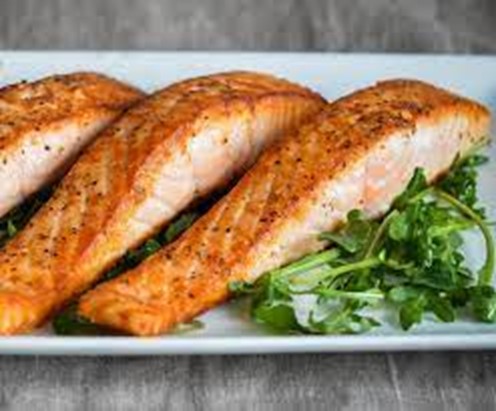
D. Salmon
Salmon is a complete protein, meaning it contains all nine essential amino acids that the body needs.
Full Explanation
Choice A reason: Gelatin is an incomplete protein, meaning it does not contain all nine essential amino acids that the body cannot synthesize.
Choice B reason: Legumes are incomplete proteins, but they can be combined with grains, nuts, seeds, or dairy products to form complete proteins.
Choice C reason: Almonds are incomplete proteins, but they can be combined with other foods to form complete proteins.
Choice D reason: Salmon is a complete protein, meaning it contains all nine essential amino acids that the body needs.