
Nursing practice questions with comprehensive rationales
NurseDive Free Nursing Practice Question
As related to the care of the patient with miscarriage, nurses should be aware that:
A. it is a natural pregnancy loss before labor begins.
A miscarriage is defined as a spontaneous abortion of a fetus before the 20th week of gestation. It is a natural pregnancy loss that occurs before labor begins and is usually caused by chromosomal abnormalities, infections, or maternal health problems.
B. it often can be attributed to careless maternal behavior such as poor nutrition or excessive exercise.
A miscarriage is not often attributed to careless maternal behavior such as poor nutrition or excessive exercise. These factors may affect the quality of life of the mother and the fetus, but they are not the main causes of miscarriage. Most miscarriages are not preventable and are not the fault of the mother.
C. if it occurs before the 12th week of pregnancy, it may manifest only as moderate discomfort and blood loss.
A miscarriage that occurs before the 12th week of pregnancy may manifest only as moderate discomfort and blood loss, but this is not always the case. Some women may experience severe cramping, bleeding, and tissue passing from the vagina. Others may have no symptoms at all and only discover the miscarriage during a routine ultrasound.
D. it occurs in fewer than 5% of all clinically recognized pregnancies.
A miscarriage occurs in more than 5% of all clinically recognized pregnancies. The actual rate of miscarriage is estimated to be 10% to 20%, but many women may not realize they are pregnant or may not report the loss to their health care provider.
This question is an excerpt from Nurse Dive's nursing test bank - Ati Maternal Newborn Midterm Proctored Exam 1. Take the full exam now
Full Explanation
Choice A reason: A miscarriage is defined as a spontaneous abortion of a fetus before the 20th week of gestation. It is a natural pregnancy loss that occurs before labor begins and is usually caused by chromosomal abnormalities, infections, or maternal health problems.
Choice B reason: A miscarriage is not often attributed to careless maternal behavior such as poor nutrition or excessive exercise. These factors may affect the quality of life of the mother and the fetus, but they are not the main causes of miscarriage. Most miscarriages are not preventable and are not the fault of the mother.
Choice C reason: A miscarriage that occurs before the 12th week of pregnancy may manifest only as moderate discomfort and blood loss, but this is not always the case. Some women may experience severe cramping, bleeding, and tissue passing from the vagina. Others may have no symptoms at all and only discover the miscarriage during a routine ultrasound.
Choice D reason: A miscarriage occurs in more than 5% of all clinically recognized pregnancies. The actual rate of miscarriage is estimated to be 10% to 20%, but many women may not realize they are pregnant or may not report the loss to their health care provider.
Similar Questions
Magnesium sulfate is given to women with preeclampsia and eclampsia to:
A. improve patellar reflexes and increase respiratory efficiency.
Magnesium sulfate does not improve patellar reflexes and increase respiratory efficiency. In fact, it may cause hyporeflexia and respiratory depression as adverse effects. These are signs of magnesium toxicity and require immediate intervention.
B. prevent a boggy uterus and lessen lochial flow.
Magnesium sulfate does not prevent a boggy uterus and lessen lochial flow. A boggy uterus is a sign of uterine atony, which can lead to postpartum hemorrhage. Lochia is the normal vaginal discharge after childbirth. Magnesium sulfate has no effect on these conditions.
C. shorten the duration of labor.
Magnesium sulfate does not shorten the duration of labor. It may actually prolong labor by relaxing the uterine muscles and inhibiting contractions. Magnesium sulfate is not used to induce or augment labor.
D. prevent and treat convulsions.
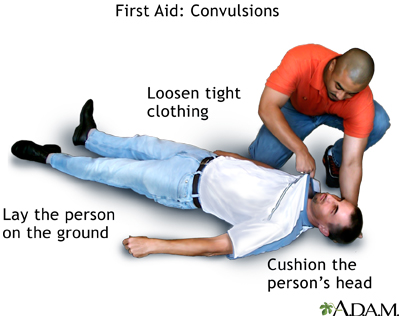
Magnesium sulfate is used to prevent and treat convulsions in women with preeclampsia and eclampsia. Convulsions are a life-threatening complication of severe hypertension during pregnancy. Magnesium sulfate acts as a central nervous system depressant and anticonvulsant. It reduces the risk of seizures and lowers blood pressure.
Full Explanation
Choice A reason: Magnesium sulfate does not improve patellar reflexes and increase respiratory efficiency. In fact, it may cause hyporeflexia and respiratory depression as adverse effects. These are signs of magnesium toxicity and require immediate intervention.
Choice B reason: Magnesium sulfate does not prevent a boggy uterus and lessen lochial flow. A boggy uterus is a sign of uterine atony, which can lead to postpartum hemorrhage. Lochia is the normal vaginal discharge after childbirth. Magnesium sulfate has no effect on these conditions.
Choice C reason: Magnesium sulfate does not shorten the duration of labor. It may actually prolong labor by relaxing the uterine muscles and inhibiting contractions. Magnesium sulfate is not used to induce or augment labor.
Choice D reason: Magnesium sulfate is used to prevent and treat convulsions in women with preeclampsia and eclampsia. Convulsions are a life-threatening complication of severe hypertension during pregnancy. Magnesium sulfate acts as a central nervous system depressant and anticonvulsant. It reduces the risk of seizures and lowers blood pressure.
The nurse caring for a woman hospitalized for hyperemesis gravidarum should expect that initial treatment will involve:
A. an antiemetic such as pyridoxine to control vomiting.
An antiemetic such as pyridoxine may be used to control vomiting in women with hyperemesis gravidarum, but it is not the initial treatment. The first priority is to restore fluid and electrolyte balance and prevent dehydration and hypovolemia.
B. IV therapy to correct fluid and electrolyte imbalances.
IV therapy is the initial treatment for women with hyperemesis gravidarum. It helps to correct fluid and electrolyte imbalances, prevent dehydration and hypovolemia, and restore normal blood pressure and urine output. IV fluids may also contain glucose, vitamins, and electrolytes to replenish losses.
C. enteral nutrition to meet nutritional needs.
Enteral nutrition may be used to meet nutritional needs in women with hyperemesis gravidarum, but it is not the initial treatment. Enteral nutrition involves feeding through a tube inserted into the stomach or intestine. It may be considered if oral intake is not tolerated or adequate after IV therapy.
D. corticosteroids to reduce inflammation.
Corticosteroids are not used to treat hyperemesis gravidarum. They are used to reduce inflammation in conditions such as asthma, rheumatoid arthritis, and allergic reactions. They have no effect on nausea and vomiting in pregnancy.
Full Explanation
Choice A reason: An antiemetic such as pyridoxine may be used to control vomiting in women with hyperemesis gravidarum, but it is not the initial treatment. The first priority is to restore fluid and electrolyte balance and prevent dehydration and hypovolemia.
Choice B reason: IV therapy is the initial treatment for women with hyperemesis gravidarum. It helps to correct fluid and electrolyte imbalances, prevent dehydration and hypovolemia, and restore normal blood pressure and urine output. IV fluids may also contain glucose, vitamins, and electrolytes to replenish losses.
Choice C reason: Enteral nutrition may be used to meet nutritional needs in women with hyperemesis gravidarum, but it is not the initial treatment. Enteral nutrition involves feeding through a tube inserted into the stomach or intestine. It may be considered if oral intake is not tolerated or adequate after IV therapy.
Choice D reason: Corticosteroids are not used to treat hyperemesis gravidarum. They are used to reduce inflammation in conditions such as asthma, rheumatoid arthritis, and allergic reactions. They have no effect on nausea and vomiting in pregnancy.
Which factor is known to increase the risk of gestational diabetes mellitus?
A. Previous birth of large infant
A previous birth of a large infant (macrosomia) is a risk factor for gestational diabetes mellitus (GDM). A large infant may indicate that the mother had high blood glucose levels during pregnancy, which can cause the fetus to grow larger than normal. Women who have had a large infant are more likely to develop GDM in subsequent pregnancies.
B. Underweight before pregnancy
Underweight before pregnancy is not a risk factor for GDM. In fact, being overweight or obese before pregnancy is a risk factor for GDM, as it increases insulin resistance and makes it harder for the body to use glucose effectively.
C. Previous diagnosis of type 2 diabetes mellitus
A previous diagnosis of type 2 diabetes mellitus is not a risk factor for GDM. It is a contraindication for GDM, as it means that the woman already has diabetes before pregnancy. GDM is a condition that develops during pregnancy and usually resolves after delivery.
D. Maternal age younger than 25 years
Maternal age younger than 25 years is not a risk factor for GDM. In fact, being older than 25 years is a risk factor for GDM, as it increases the risk of insulin resistance and other metabolic changes that can affect glucose tolerance.
Full Explanation
Choice A reason: A previous birth of a large infant (macrosomia) is a risk factor for gestational diabetes mellitus (GDM). A large infant may indicate that the mother had high blood glucose levels during pregnancy, which can cause the fetus to grow larger than normal. Women who have had a large infant are more likely to develop GDM in subsequent pregnancies.
Choice B reason: Underweight before pregnancy is not a risk factor for GDM. In fact, being overweight or obese before pregnancy is a risk factor for GDM, as it increases insulin resistance and makes it harder for the body to use glucose effectively.
Choice C reason: A previous diagnosis of type 2 diabetes mellitus is not a risk factor for GDM. It is a contraindication for GDM, as it means that the woman already has diabetes before pregnancy. GDM is a condition that develops during pregnancy and usually resolves after delivery.
Choice D reason: Maternal age younger than 25 years is not a risk factor for GDM. In fact, being older than 25 years is a risk factor for GDM, as it increases the risk of insulin resistance and other metabolic changes that can affect glucose tolerance.