
Nursing practice questions with comprehensive rationales
NurseDive Free Nursing Practice Question
Ativan 1mg IM is ordered. Ativan is available in 2mg/mL. How many mls will you administer?
This question is an excerpt from Nurse Dive's nursing test bank - ATI ns 130 Exam Psychosocial Proctored Exam. Take the full exam now
Full Explanation
Dosage of the medication = the desired dose/dose at hand X the amount to be administered
= 1mg/2mg x 1 ml
= 0.5 ml
Similar Questions
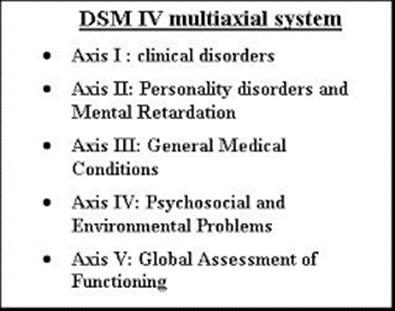
A client has borderline personality disorder. Which Axis will the nurse document this information?
A. Axis 1
Axis 1 is used to document clinical disorders that are the primary focus of management such as schizophrenia, major depressive disorder, and bipolar disorder among others.
B. Axis 3
Axis 3 is used in the documentation of conditions, for instance, asthma, hypertension, and diabetes mellitus among others which are known to have effects on an individual’s mental health.
C. Axis 4
Axis 4 is used in the documentation of environmental and psychosocial issues contributing to a patient’s stress such as financial and family stressors.
D. AXIS 2
this is accurate since Axis 2 is used in the documentation of conditions affecting a client’s functioning such as personality disorders and mental retardation.
Full Explanation
Choice A rationale: Axis 1 is used to document clinical disorders that are the primary focus of management such as schizophrenia, major depressive disorder, and bipolar disorder among others.
Choice B rationale: Axis 3 is used in the documentation of conditions, for instance, asthma, hypertension, and diabetes mellitus among others which are known to have effects on an individual’s mental health.
Choice C rationale: Axis 4 is used in the documentation of environmental and psychosocial issues contributing to a patient’s stress such as financial and family stressors.
Choice D rationale: this is accurate since Axis 2 is used in the documentation of conditions affecting a client’s functioning such as personality disorders and mental retardation.
To prevent the occurrence of Lithium (Eskalith) toxicity, the nurse should teach the client to maintain adequate intake of
A. Chloride and sodium
Both sodium and chloride are important for fluid balance but chloride has no effect on the blood lithium levels.
B. Water and vitamins
sodium has an effect on the blood lithium levels by competing with lithium for reabsorption in the kidneys but vitamins do not influence the lithium levels in blood.
C. Sodium and water
dehydration increases the risk of lithium toxicity since it will result in oliguria hence increasing the risk of lithium toxicity since the drug is primarily excreted in urine. Sodium and lithium compete for reabsorption in the kidneys, so low sodium levels can increase lithium retention and lead to toxicity. Therefore, the client should maintain an adequate intake of sodium and water to prevent dehydration and sodium loss and to keep the lithium level within the therapeutic range.
D. Potassium and water
water has an influence on blood lithium levels since adequate intake minimizes the risk of toxicity by increasing the drug’s excretion in urine. However, potassium does not compete with lithium for reabsorption.
Full Explanation
Choice A rationale: Both sodium and chloride are important for fluid balance but chloride has no effect on the blood lithium levels.
Choice B rationale: sodium has an effect on the blood lithium levels by competing with lithium for reabsorption in the kidneys but vitamins do not influence the lithium levels in blood.
Choice C rationale: dehydration increases the risk of lithium toxicity since it will result in oliguria hence increasing the risk of lithium toxicity since the drug is primarily excreted in urine. Sodium and lithium compete for reabsorption in the kidneys, so low sodium levels can increase lithium retention and lead to toxicity. Therefore, the client should maintain an adequate intake of sodium and water to prevent dehydration and sodium loss and to keep the lithium level within the therapeutic range.
Choice D rationale: water has an influence on blood lithium levels since adequate intake minimizes the risk of toxicity by increasing the drug’s excretion in urine.
However, potassium does not compete with lithium for reabsorption.
In the psychiatric unit bright colors in the environment of the client are often:
A. Stimulating
Bright colors such as red, blue, green, purple, and pink are associated with patient arousal, excitement, and increased energy levels which can be beneficial for psychiatry patients by enhancing their alertness and motivation.
B. Frightening
Bright colors are not frightening. However, they may trigger negative associations and memories for some individuals.
C. Depressive
Bright colors are not depressive but instead they may evoke positive emotions and joy for individuals who may be feeling low and hopeless.
D. Calming
Bright colors have a calming effect since they have a soothing and relaxing effect on the client’s nervous system.
Full Explanation
Choice A rationale: Bright colors such as red, blue, green, purple, and pink are associated with patient arousal, excitement, and increased energy levels which can be beneficial for psychiatry patients by enhancing their alertness and motivation.
Choice B rationale: Bright colors are not frightening. However, they may trigger negative associations and memories for some individuals.
Choice C rationale: Bright colors are not depressive but instead they may evoke positive emotions and joy for individuals who may be feeling low and hopeless.
Choice D rationale: Bright colors have a calming effect since they have a soothing and relaxing effect on the client’s nervous system.