
Nursing practice questions with comprehensive rationales
NurseDive Free Nursing Practice Question
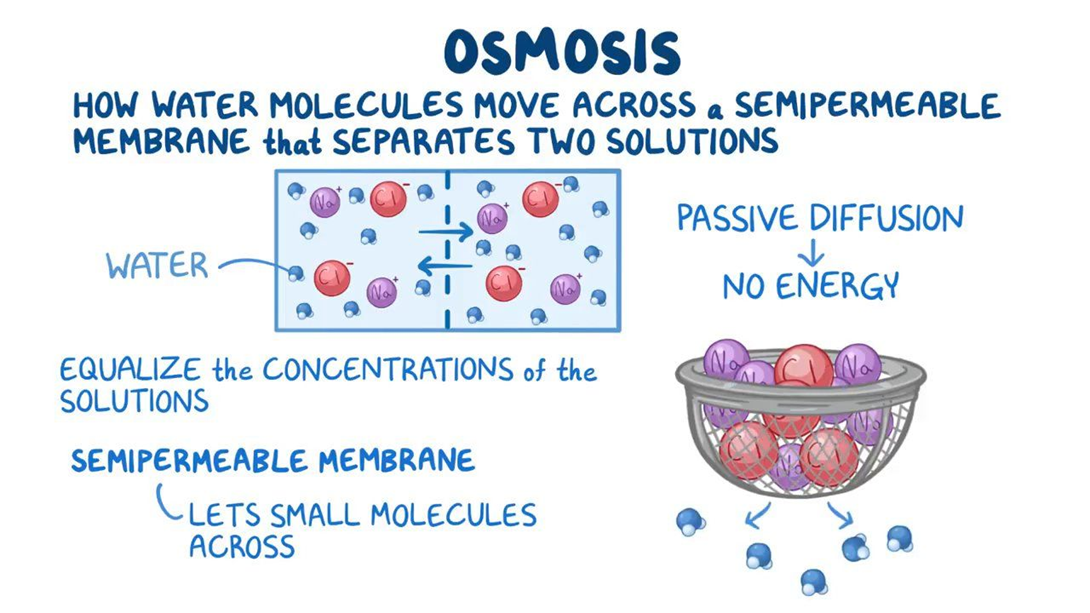
Fluid and electrolyte balance is maintained through the process of fluid and solutes moving in and out of cells. What specific process allows fluid to pass through a membrane from a dilute to a more concentrated area?
A. Active transport
Active transport is not the process that allows fluid to pass through a membrane from a dilute to a more concentrated area. Active transport is the process that moves solutes across a membrane against their concentration gradient, using energy from ATP. Active transport can create or maintain a concentration difference between two sides of a membrane.
B. Osmosis
Osmosis is the process that allows fluid to pass through a membrane from a dilute to a more concentrated area. Osmosis is the movement of water across a selectively permeable membrane from an area of low solute concentration to an area of high solute concentration. Osmosis can equalize the concentration of solutes on both sides of a membrane.
C. Filtration
Filtration is not the process that allows fluid to pass through a membrane from a dilute to a more concentrated area. Filtration is the movement of fluid and solutes across a membrane due to a pressure difference between two sides of a membrane. Filtration can separate solutes from fluid based on their size and charge.
D. Diffusion
Diffusion is not the process that allows fluid to pass through a membrane from a dilute to a more concentrated area. Diffusion is the movement of solutes across a membrane from an area of high solute concentration to an area of low solute concentration. Diffusion can also equalize the concentration of solutes on both sides of a membrane.
This question is an excerpt from Nurse Dive's nursing test bank - Ati Med Surg Nursing 102 Proctored Exam 4. Take the full exam now
Full Explanation
Choice A reason: Active transport is not the process that allows fluid to pass through a membrane from a dilute to a more concentrated area. Active transport is the process that moves solutes across a membrane against their concentration gradient, using energy from ATP. Active transport can create or maintain a concentration difference between two sides of a membrane.
Choice B reason: Osmosis is the process that allows fluid to pass through a membrane from a dilute to a more concentrated area. Osmosis is the movement of water across a selectively permeable membrane from an area of low solute concentration to an area of high solute concentration. Osmosis can equalize the concentration of solutes on both sides of a membrane.
Choice C reason: Filtration is not the process that allows fluid to pass through a membrane from a dilute to a more concentrated area. Filtration is the movement of fluid and solutes across a membrane due to a pressure difference between two sides of a membrane. Filtration can separate solutes from fluid based on their size and charge.
Choice D reason: Diffusion is not the process that allows fluid to pass through a membrane from a dilute to a more concentrated area. Diffusion is the movement of solutes across a membrane from an area of high solute concentration to an area of low solute concentration. Diffusion can also equalize the concentration of solutes on both sides of a membrane.
Similar Questions
A nurse is providing education to a client with GERD (gastroesophageal reflux disease). The client asks what measures can be taken independently to help reduce the symptoms. Which interventions would the nurse recommend?
A. Reintroducing foods that intensify symptoms one at a time
Reintroducing foods that intensify symptoms one at a time is not an intervention that the nurse would recommend for a client with GERD. Foods that can trigger or worsen GERD symptoms include spicy, acidic, fatty, or fried foods, chocolate, coffee, alcohol, mint, garlic, and onion. The nurse would advise the client to avoid or limit these foods, not to reintroduce them.
B. Promoting intake of food and fluids 1 to 2 hours before bedtime
Promoting intake of food and fluids 1 to 2 hours before bedtime is not an intervention that the nurse would recommend for a client with GERD. Eating or drinking close to bedtime can increase the risk of acid reflux, as the stomach contents can flow back into the esophagus when the client lies down. The nurse would suggest the client to have smaller and more frequent meals, and to avoid eating or drinking at least 3 hours before bedtime.
C. Maintaining an upright position following meals
Maintaining an upright position following meals is an intervention that the nurse would recommend for a client with GERD. Keeping an upright posture can help prevent or reduce acid reflux, as gravity can help keep the stomach contents in place. The nurse would encourage the client to avoid bending, stooping, or lying down for at least 2 hours after eating.
D. Increasing the amount of carbonated beverages
Increasing the amount of carbonated beverages is not an intervention that the nurse would recommend for a client with GERD. Carbonated beverages can increase the production of gas and stomach acid, which can cause bloating, belching, and acid reflux. The nurse would advise the client to drink water or other non-carbonated fluids, and to avoid drinking through a straw or chewing gum, which can also introduce air into the stomach.
Full Explanation
Choice A reason: Reintroducing foods that intensify symptoms one at a time is not an intervention that the nurse would recommend for a client with GERD. Foods that can trigger or worsen GERD symptoms include spicy, acidic, fatty, or fried foods, chocolate, coffee, alcohol, mint, garlic, and onion. The nurse would advise the client to avoid or limit these foods, not to reintroduce them.
Choice B reason: Promoting intake of food and fluids 1 to 2 hours before bedtime is not an intervention that the nurse would recommend for a client with GERD. Eating or drinking close to bedtime can increase the risk of acid reflux, as the stomach contents can flow back into the esophagus when the client lies down. The nurse would suggest the client to have smaller and more frequent meals, and to avoid eating or drinking at least 3 hours before bedtime.
Choice C reason: Maintaining an upright position following meals is an intervention that the nurse would recommend for a client with GERD. Keeping an upright posture can help prevent or reduce acid reflux, as gravity can help keep the stomach contents in place. The nurse would encourage the client to avoid bending, stooping, or lying down for at least 2 hours after eating.
Choice D reason: Increasing the amount of carbonated beverages is not an intervention that the nurse would recommend for a client with GERD. Carbonated beverages can increase the production of gas and stomach acid, which can cause bloating, belching, and acid reflux. The nurse would advise the client to drink water or other non-carbonated fluids, and to avoid drinking through a straw or chewing gum, which can also introduce air into the stomach.
A nurse in the emergency department is caring for a client who sustained a head injury and hypovolemia. The nurse notes the client's IV fluids are infusing at 125 mL/hr. Which of the following is an appropriate action by the nurse before calling the physician to clarify the order?
A. Slow the rate to 50 mL/hr
Slowing the rate to 50 mL/hr is not an appropriate action by the nurse before calling the physician to clarify the order. This could cause the client to become more hypovolemic, which is a condition where there is a decreased volume of blood in the body. Hypovolemia can lead to shock, organ failure, and death.
B. Slow the rate to 20 mL/hr
Slowing the rate to 20 mL/hr is not an appropriate action by the nurse before calling the physician to clarify the order. This could also cause the client to become more hypovolemic, which is a serious and life-threatening condition. The nurse should not reduce the IV fluid rate without a physician's order.
C. Increase the rate to 250 mL/hr
Increasing the rate to 250 mL/hr is not an appropriate action by the nurse before calling the physician to clarify the order. This could cause the client to become more hypervolemic, which is a condition where there is an excess of fluid in the blood vessels. Hypervolemia can cause fluid overload, pulmonary edema, and heart failure.
D. Continue the rate at 125 mL/hr
Continuing the rate at 125 mL/hr is an appropriate action by the nurse before calling the physician to clarify the order. This is a reasonable rate for a client who has a head injury and hypovolemia, as it can help restore the fluid balance and prevent cerebral edema. The nurse should not change the IV fluid rate without a physician's order.
Full Explanation
Choice A reason: Slowing the rate to 50 mL/hr is not an appropriate action by the nurse before calling the physician to clarify the order. This could cause the client to become more hypovolemic, which is a condition where there is a decreased volume of blood in the body. Hypovolemia can lead to shock, organ failure, and death.
Choice B reason: Slowing the rate to 20 mL/hr is not an appropriate action by the nurse before calling the physician to clarify the order. This could also cause the client to become more hypovolemic, which is a serious and life-threatening condition. The nurse should not reduce the IV fluid rate without a physician's order.
Choice C reason: Increasing the rate to 250 mL/hr is not an appropriate action by the nurse before calling the physician to clarify the order. This could cause the client to become more hypervolemic, which is a condition where there is an excess of fluid in the blood vessels. Hypervolemia can cause fluid overload, pulmonary edema, and heart failure.
Choice D reason: Continuing the rate at 125 mL/hr is an appropriate action by the nurse before calling the physician to clarify the order. This is a reasonable rate for a client who has a head injury and hypovolemia, as it can help restore the fluid balance and prevent cerebral edema. The nurse should not change the IV fluid rate without a physician's order.
A client with obesity is prescribed orlistat for weight loss. The client asks the nurse, "I understand the medication prevents digestion of fat, but what side effects does this cause?" Which of the following responses by the nurse are correct? SELECT ALL THAT APPLY
A. Oily stools are common, especially when excessive fat is consumed.
Oily stools are common, especially when excessive fat is consumed, because orlistat blocks the absorption of fat in the intestines. The undigested fat is then eliminated in the stool, making it oily, greasy, or foul-smelling.
B. Many patients note having an increase of gas and flatus.
Many patients note having an increase of gas and flatus, because orlistat can also interfere with the digestion of carbohydrates and proteins, causing fermentation and gas production in the colon.
C. Constipation is a common side effect with this medication.
Constipation is not a common side effect with this medication. In fact, orlistat may cause the opposite effect of diarrhea, as the unabsorbed fat can irritate the bowel and increase the motility.
D. Some patients report the development of fecal incontinence.
Some patients report the development of fecal incontinence, because orlistat can cause unpredictable bowel movements and difficulty in controlling the passage of stool, especially if the patient consumes a high-fat diet.
E. This medication doesn't really have any side effects because you can buy it over the counter.
This medication does have side effects, even though it can be bought over the counter. Orlistat is a prescription-strength drug that can cause serious adverse reactions, such as liver damage, kidney stones, gallbladder problems, and vitamin deficiencies. The over-the-counter version is a lower dose than the prescription one, but it still requires medical supervision and lifestyle changes.
Full Explanation
Choice A reason: Oily stools are common, especially when excessive fat is consumed, because orlistat blocks the absorption of fat in the intestines. The undigested fat is then eliminated in the stool, making it oily, greasy, or foul-smelling.
Choice B reason: Many patients note having an increase of gas and flatus, because orlistat can also interfere with the digestion of carbohydrates and proteins, causing fermentation and gas production in the colon.
Choice C reason: Constipation is not a common side effect with this medication. In fact, orlistat may cause the opposite effect of diarrhea, as the unabsorbed fat can irritate the bowel and increase the motility.
Choice D reason: Some patients report the development of fecal incontinence, because orlistat can cause unpredictable bowel movements and difficulty in controlling the passage of stool, especially if the patient consumes a high-fat diet.
Choice E reason: This medication does have side effects, even though it can be bought over the counter. Orlistat is a prescription-strength drug that can cause serious adverse reactions, such as liver damage, kidney stones, gallbladder problems, and vitamin deficiencies. The over-the-counter version is a lower dose than the prescription one, but it still requires medical supervision and lifestyle changes.