
Nursing practice questions with comprehensive rationales
NurseDive Free Nursing Practice Question
Methotrexate is recommended as part of the treatment plan for which obstetric complication?
A. Missed abortion
Choice A) Missed abortion: This is not the correct obstetric complication for methotrexate treatment. A missed abortion is a type of miscarriage in which the fetus has died but the products of conception are still retained in the uterus. Methotrexate is not used for this condition, as it can cause toxicity and bleeding. The usual treatment options for a missed abortion are expectant management, medical induction, or surgical evacuation.
B. Abruptio placentae
Choice B) Abruptio placentae: This is not the correct obstetric complication for methotrexate treatment. Abruptio placentae is a condition in which the placenta separates from the uterine wall before delivery, causing bleeding and fetal distress. Methotrexate is not used for this condition, as it can worsen the bleeding and harm the fetus. The usual treatment options for abruptio placentae depend on the severity of the condition and the gestational age, but they may include fluid resuscitation, blood transfusion, tocolysis, or emergency delivery.
C. Unruptured ectopic pregnancy
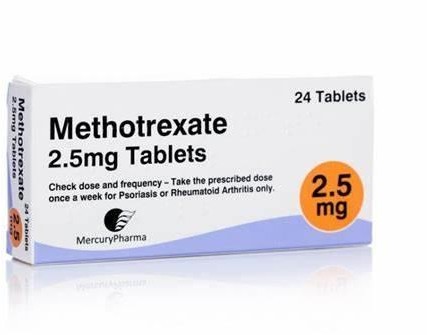
Choice C) Unruptured ectopic pregnancy: This is the correct obstetric complication for methotrexate treatment. An ectopic pregnancy is a pregnancy that implants outside of the uterine cavity, usually in the fallopian tube. An unruptured ectopic pregnancy is one that has not caused any bleeding or rupture of the tube. Methotrexate is used for this condition, as it can dissolve the pregnancy tissue and prevent further growth and complications. Methotrexate is given as an injection and works by inhibiting folic acid metabolism, which is essential for cell division. Methotrexate is only suitable for patients who have stable vital signs, low levels of human chorionic gonadotropin (hCG), and no fetal heartbeat or cardiac activity detected by ultrasound.
D. Complete hydatidiform mole
Choice D) Complete hydatidiform mole: This is not the correct obstetric complication for methotrexate treatment. A complete hydatidiform mole is a type of gestational trophoblastic disease in which there is an abnormal proliferation of placental tissue without any fetal development. Methotrexate is not used for this condition, as it can cause resistance and recurrence. The usual treatment option for a complete hydatidiform mole is suction curettage, which removes the molar tissue from the uterus.
This question is an excerpt from Nurse Dive's nursing test bank - ATI Maternity Proctored Exam 2. Take the full exam now
Full Explanation
Choice A) Missed abortion: This is not the correct obstetric complication for methotrexate treatment. A missed abortion is a type of miscarriage in which the fetus has died but the products of conception are still retained in the uterus. Methotrexate is not used for this condition, as it can cause toxicity and bleeding. The usual treatment options for a missed abortion are expectant management, medical induction, or surgical evacuation.
Choice B) Abruptio placentae: This is not the correct obstetric complication for methotrexate treatment. Abruptio placentae is a condition in which the placenta separates from the uterine wall before delivery, causing bleeding and fetal distress. Methotrexate is not used for this condition, as it can worsen the bleeding and harm the fetus. The usual treatment options for abruptio placentae depend on the severity of the condition and the gestational age, but they may include fluid resuscitation, blood transfusion, tocolysis, or emergency delivery.
Choice C) Unruptured ectopic pregnancy: This is the correct obstetric complication for methotrexate treatment. An ectopic pregnancy is a pregnancy that implants outside of the uterine cavity, usually in the fallopian tube. An unruptured ectopic pregnancy is one that has not caused any bleeding or rupture of the tube. Methotrexate is used for this condition, as it can dissolve the pregnancy tissue and prevent further growth and complications.
Methotrexate is given as an injection and works by inhibiting folic acid metabolism, which is essential for cell division.
Methotrexate is only suitable for patients who have stable vital signs, low levels of human chorionic gonadotropin (hCG), and no fetal heartbeat or cardiac activity detected by ultrasound.
Choice D) Complete hydatidiform mole: This is not the correct obstetric complication for methotrexate treatment. A complete hydatidiform mole is a type of gestational trophoblastic disease in which there is an abnormal proliferation of placental tissue without any fetal development. Methotrexate is not used for this condition, as it can cause resistance and recurrence. The usual treatment option for a complete hydatidiform mole is suction curettage, which removes the molar tissue from the uterus.
Similar Questions
Decreased surfactant production in the preterm lung is a problem because surfactant
A. dilates the bronchioles, decreasing airway resistance.
Choice A) dilates the bronchioles, decreasing airway resistance: This is not the correct function of surfactant. Surfactant is a substance that reduces the surface tension of the fluid that lines the alveoli, which are the tiny air sacs in the lungs where gas exchange occurs. Surfactant does not affect the diameter of the bronchioles, which are the small airways that branch from the bronchi. Bronchodilation and bronchoconstriction are regulated by the autonomic nervous system and various mediators, such as histamine, epinephrine, and acetylcholine.
B. provides transportation for oxygen to enter the blood supply.
Choice B) provides transportation for oxygen to enter the blood supply: This is not the correct function of surfactant. Surfactant does not transport oxygen or any other gas. Oxygen diffuses from the alveoli into the capillaries, where it binds to hemoglobin in the red blood cells. The red blood cells then transport oxygen to the tissues via the blood circulation. Surfactant does not play a role in this process.
C. keeps the alveoli open during expiration.
Choice C) keeps the alveoli open during expiration: This is the correct function of surfactant. Surfactant prevents the alveoli from collapsing during expiration by lowering the surface tension of the fluid that lines them. This allows for easier breathing and better gas exchange. Without enough surfactant, the alveoli tend to collapse and stick together, causing atelectasis, which is a condition where some or all of a lung collapses. Atelectasis can lead to hypoxia, respiratory distress, and infection.
D. causes increased permeability of the alveoli.
Choice D) causes increased permeability of the alveoli: This is not the correct function of surfactant. Surfactant does not increase or decrease the permeability of the alveoli, which is the ability of substances to pass through them. Permeability of the alveoli depends on several factors, such as pressure gradients, solubility, molecular size, and membrane thickness. Increased permeability of the alveoli can occur in conditions such as acute respiratory distress syndrome (ARDS), where fluid leaks into the alveolar space and impairs gas exchange. Surfactant does not cause this condition, but it can be affected by it.
Full Explanation
Choice A) dilates the bronchioles, decreasing airway resistance: This is not the correct function of surfactant.
Surfactant is a substance that reduces the surface tension of the fluid that lines the alveoli, which are the tiny air sacs in the lungs where gas exchange occurs. Surfactant does not affect the diameter of the bronchioles, which are the small airways that branch from the bronchi. Bronchodilation and bronchoconstriction are regulated by the autonomic nervous system and various mediators, such as histamine, epinephrine, and acetylcholine.
Choice B) provides transportation for oxygen to enter the blood supply: This is not the correct function of surfactant. Surfactant does not transport oxygen or any other gas. Oxygen diffuses from the alveoli into the capillaries, where it binds to hemoglobin in the red blood cells. The red blood cells then transport oxygen to the tissues via the blood circulation. Surfactant does not play a role in this process.
Choice C) keeps the alveoli open during expiration: This is the correct function of surfactant. Surfactant prevents the alveoli from collapsing during expiration by lowering the surface tension of the fluid that lines them. This allows for easier breathing and better gas exchange. Without enough surfactant, the alveoli tend to collapse and stick together, causing atelectasis, which is a condition where some or all of a lung collapses. Atelectasis can lead to hypoxia, respiratory distress, and infection.
Choice D) causes increased permeability of the alveoli: This is not the correct function of surfactant. Surfactant does not increase or decrease the permeability of the alveoli, which is the ability of substances to pass through them.
Permeability of the alveoli depends on several factors, such as pressure gradients, solubility, molecular size, and membrane thickness. Increased permeability of the alveoli can occur in conditions such as acute respiratory distress syndrome (ARDS), where fluid leaks into the alveolar space and impairs gas exchange. Surfactant does not cause this condition, but it can be affected by it.

The student nurse is assessing a woman with abruptio placentae. The student reports to the registered nurse, "I can't really palpate her abdomen, it's as hard as a board." What action by the nurse is the priority?
A. Assess the woman's fundal height and vital signs.
Choice A: This is the correct answer because a hard and tender abdomen is a sign of concealed hemorrhage, which can lead to hypovolemic shock and fetal distress. The nurse needs to monitor the woman's blood loss, blood pressure, pulse, and fetal heart rate to detect any complications and intervene accordingly.
B. Administer a dose of opioid pain medication.
Choice B: This is incorrect because opioid pain medication can mask the signs of shock and fetal distress, and may also cause respiratory depression in both the mother and the fetus. Pain relief should be given after assessing the woman's condition and consulting with the physician.
C. Tell the student to document the findings.
Choice C: This is incorrect because documenting the findings is not a priority action. The nurse needs to act quickly to prevent further blood loss and fetal compromise, and report the findings to the physician.
D. Have the student teach the woman relaxation techniques.
Choice D: This is incorrect because relaxation techniques may not be effective in reducing the pain and anxiety caused by abruptio placentae. The nurse should provide emotional support and reassurance to the woman, but also focus on assessing and managing her physical condition.
Full Explanation
Choice A: This is the correct answer because a hard and tender abdomen is a sign of concealed hemorrhage, which can lead to hypovolemic shock and fetal distress. The nurse needs to monitor the woman's blood loss, blood pressure, pulse, and fetal heart rate to detect any complications and intervene accordingly.
Choice B: This is incorrect because opioid pain medication can mask the signs of shock and fetal distress, and may also cause respiratory depression in both the mother and the fetus. Pain relief should be given after assessing the woman's condition and consulting with the physician.
Choice C: This is incorrect because documenting the findings is not a priority action. The nurse needs to act quickly to prevent further blood loss and fetal compromise, and report the findings to the physician.
Choice D: This is incorrect because relaxation techniques may not be effective in reducing the pain and anxiety caused by abruptio placentae. The nurse should provide emotional support and reassurance to the woman, but also focus on assessing and managing her physical condition.
What action by the nurse is the most important action in preventing neonatal infection?
A. Standard Precautions
Choice A: This is incorrect because Standard Precautions are a set of guidelines that apply to all patients, regardless of their infection status. They include using personal protective equipment, handling sharps and waste properly, and cleaning and disinfecting equipment and surfaces. However, they are not enough to prevent neonatal infection, as some pathogens can still be transmitted by contact or droplet.
B. Good hand hygiene
Choice B: This is the correct answer because good hand hygiene is the most effective way to prevent the transmission of microorganisms that can cause neonatal infection. The nurse should wash their hands with soap and water or use an alcohol-based hand rub before and after touching the infant, the infant's environment, or any items that come in contact with the infant. The nurse should also educate the parents and visitors on the importance of hand hygiene and how to perform it correctly.
C. Separate gown technique
Choice C: This is incorrect because a separate gown technique involves wearing a clean gown for each infant and discarding it after use. This can help prevent cross-contamination between infants, but it does not eliminate the need for hand hygiene. The nurse should still wash their hands before and after wearing a gown, as well as before and after touching the infant or any items that come in contact with the infant.
D. Isolation of infected infants
Choice D: This is incorrect because isolation of infected infants involves placing them in a separate room or area with restricted access and using additional precautions based on the mode of transmission of the infection. This can help prevent the spread of infection to other infants, staff, or visitors, but it does not eliminate the need for hand hygiene. The nurse should still wash their hands before and after entering and leaving the isolation area, as well as before and after touching the infant or any items that come in contact with the infant.
Full Explanation
Choice A: This is incorrect because Standard Precautions are a set of guidelines that apply to all patients, regardless of their infection status. They include using personal protective equipment, handling sharps and waste properly, and cleaning and disinfecting equipment and surfaces. However, they are not enough to prevent neonatal infection, as some pathogens can still be transmitted by contact or droplet.
Choice B: This is the correct answer because good hand hygiene is the most effective way to prevent the transmission of microorganisms that can cause neonatal infection. The nurse should wash their hands with soap and water or use an alcohol-based hand rub before and after touching the infant, the infant's environment, or any items that come in contact with the infant. The nurse should also educate the parents and visitors on the importance of hand hygiene and how to perform it correctly.
Choice C: This is incorrect because a separate gown technique involves wearing a clean gown for each infant and discarding it after use. This can help prevent cross-contamination between infants, but it does not eliminate the need for hand hygiene. The nurse should still wash their hands before and after wearing a gown, as well as before and after touching the infant or any items that come in contact with the infant.
Choice D: This is incorrect because isolation of infected infants involves placing them in a separate room or area with restricted access and using additional precautions based on the mode of transmission of the infection. This can help prevent the spread of infection to other infants, staff, or visitors, but it does not eliminate the need for hand hygiene. The nurse should still wash their hands before and after entering and leaving the isolation area, as well as before and after touching the infant or any items that come in contact with the infant.