
Nursing practice questions with comprehensive rationales
NurseDive Free Nursing Practice Question
The 1-day postpartum patient shows a temperature elevation, cough, and slight shortness of breath on exertion. Based on these symptoms, the nurse should:
A. Document expected postpartum mucous membrane congestion
This is wrong because postpartum mucous membrane congestion does not cause fever, cough, or shortness of breath.
B. Notify the charge nurse of a possible upper respiratory infection
This is wrong because an upper respiratory infection does not cause edema and redness along the saphenous vein.
C. Notify the physician of a possible pulmonary embolism
This is because the client's symptoms suggest that she has a pulmonary embolism, which is a blockage of a blood vessel in the lungs often caused by blood clots that travel from the legs. Pulmonary embolism is a life-threatening condition that requires immediate medical attention. The client may also have chest pain, coughing up blood, dizziness, or fainting.
D. Medicate with antipyretic remedy for elevated temperature
This is wrong because an antipyretic remedy does not treat the underlying cause of the fever and may mask the severity of the condition.
This question is an excerpt from Nurse Dive's nursing test bank - Postpartum AMD Newborn Care Proctored Exam. Take the full exam now
Full Explanation
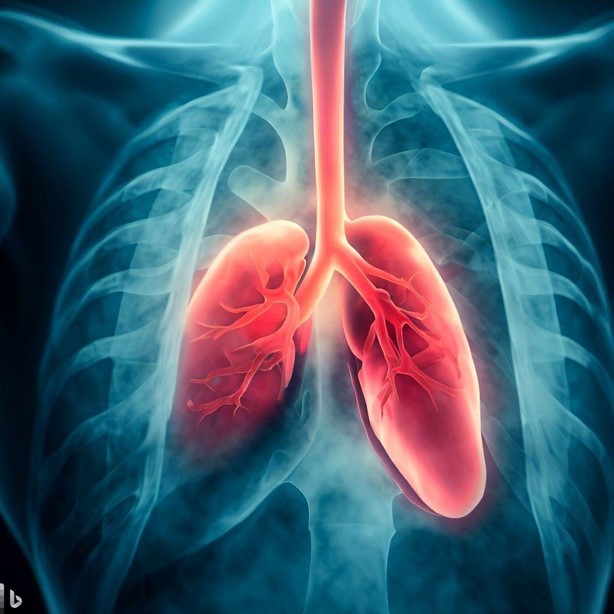
Notify the physician of a possible pulmonary embolism. This is because the client's symptoms suggest that she has a pulmonary embolism, which is a blockage of a blood vessel in the lungs often caused by blood clots that travel from the legs. Pulmonary embolism is a life-threatening condition that requires immediate medical attention. The client may also have chest pain, coughing up blood, dizziness, or fainting.
Choice A is wrong because postpartum mucous membrane congestion does not cause fever, cough, or shortness of breath.
Choice B is wrong because an upper respiratory infection does not cause edema and redness along the saphenous vein.
Choice D is wrong because an antipyretic remedy does not treat the underlying cause of the fever and may mask the severity of the condition.
Similar Questions
Five days after a spontaneous vaginal delivery, a woman comes to the emergency room because she has a fever and persistent cramping. The nurse recognizes that the cause of these signs and symptoms may be:
A. Endometritis
This is because the client's symptoms suggest that she has endometritis, which is an infection of the lining of the uterus. Endometritis is a common postpartum complication that can occur after vaginal or cesarean delivery. The client may also have foul-smelling vaginal discharge, chills, and fatigue.
B. Cystitis
This is wrong because cystitis is an infection of the bladder that causes pain or burning during urination, not cramping.
C. Dehydration
This is wrong because dehydration does not cause fever or persistent cramping.
D. Hypovolemic shock
This is wrong because hypovolemic shock is a condition of low blood volume that causes low blood pressure, rapid pulse, and pale skin, not fever or cramping
Full Explanation
Endometritis. This is because the client's symptoms suggest that she has endometritis, which is an infection of the lining of the uterus. Endometritis is a common postpartum complication that can occur after vaginal or cesarean delivery. The client may also have foul-smelling vaginal discharge, chills, and fatigue.
Choice B is wrong because cystitis is an infection of the bladder that causes pain or burning during urination, not cramping.
Choice C is wrong because dehydration does not cause fever or persistent cramping.
Choice D is wrong because hypovolemic shock is a condition of low blood volume that causes low blood pressure, rapid pulse, and pale skin, not fever or cramping.
A nurse is updating the plan of care for a newborn who is undergoing phototherapy. Which of the following actions should the nurse include in the plan?
A. Monitor the newborn's blood glucose level hourly.
This is wrong because monitoring the newborn’s blood glucose level hourly is not necessary for phototherapy.
B. Apply lotion to the newborn's skin twice per day.
This is wrong because applying lotion to the newborn’s skin twice per day can interfere with the effectiveness of phototherapy and increase the risk of skin irritation.
C. Encourage the newborn to breastfeed every 2 hr.
Encourage the newborn to breastfeed every 2 hr.This is because breastfeeding helps the newborn to excrete bilirubin through stool and urine. Breastfeeding also prevents dehydration, which can worsen jaundice. The nurse should also monitor the newborn’s weight, hydration status, and bilirubin levels during phototherapy.
D. Maintain the newborn in a prone position.
This is wrong because maintaining the newborn in a prone position can increase the risk of sudden infant death syndrome (SIDS) and limit the exposure of skin to light.
Full Explanation
Encourage the newborn to breastfeed every 2 hr. This is because breastfeeding helps the newborn to excrete bilirubin through stool and urine. Breastfeeding also prevents dehydration, which can worsen jaundice. The nurse should also monitor the newborn’s weight, hydration status, and bilirubin levels during phototherapy.
Choice A is wrong because monitoring the newborn’s blood glucose level hourly is not necessary for phototherapy.
Choice B is wrong because applying lotion to the newborn’s skin twice per day can interfere with the effectiveness of phototherapy and increase the risk of skin irritation.
Choice D is wrong because maintaining the newborn in a prone position can increase the risk of sudden infant death syndrome (SIDS) and limit the exposure of skin to light.
To prevent possible retinopathy in a preterm infant requiring oxygen therapy, the nurse will:
A. Keep the infant's eyes covered at all times.
This is not correct because keeping the infant's eyes covered at all times does not prevent ROP. In fact, it may increase the risk of infection or injury to the eyes.
B. Position with the head slightly lower than the body.
This is not correct because positioning with the head slightly lower than the body does not prevent ROP. It may increase the intracranial pressure and affect the cerebral blood flow.
C. Administer low concentrations of oxygen.
Administer low concentrations of oxygen. Retinopathy of prematurity (ROP) is a disease of retinal vascular and capillary proliferation affecting premature infants undergoing oxygen therapy. Oxygen treatment results in pathologic growth of vessels in the developing retina that may lead to permanent damage to the retina as well as retinal detachment and macular folds. Administering low concentrations of oxygen can help prevent ROP by reducing the oxygen-induced vasoconstriction and vascular endothelial growth factor (VEGF) expression.
D. Monitor arterial oxygen levels with a pulse oximeter.
This is not correct because monitoring arterial oxygen levels with a pulse oximeter does not prevent ROP. It is a useful tool to guide oxygen therapy, but it does not directly affect retinal vascular development.
Full Explanation
Administer low concentrations of oxygen. Retinopathy of prematurity (ROP) is a disease of retinal vascular and capillary proliferation affecting premature infants undergoing oxygen therapy. Oxygen treatment results in pathologic growth of vessels in the developing retina that may lead to permanent damage to the retina as well as retinal detachment and macular folds. Administering low concentrations of oxygen can help prevent ROP by reducing the oxygen-induced vasoconstriction and vascular endothelial growth factor (VEGF) expression.
Choice A is not correct because keeping the infant's eyes covered at all times does not prevent ROP. In fact, it may increase the risk of infection or injury to the eyes.
Choice B is not correct because positioning with the head slightly lower than the body does not prevent ROP. It may increase the intracranial pressure and affect the cerebral blood flow.
Choice D is not correct because monitoring arterial oxygen levels with a pulse oximeter does not prevent ROP. It is a useful tool to guide oxygen therapy, but it does not directly affect retinal vascular development.