Nursing practice questions with comprehensive rationales
NurseDive Free Nursing Practice Question
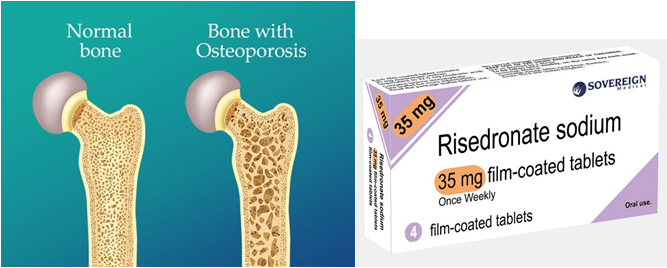
The nurse administers risedronate to a client with osteoporosis at 07:00. The client asks for a glass of milk to drink with the medication. Which action should the nurse take?
A. Consult a pharmacist about the scheduling of the dose one hour after the client eats.
B. Assign unlicensed assistive personnel (UAP) to bring the client a glass of low-fat milk.
C. Withhold the medication until the client’s breakfast tray is available on the unit.
D. Instruct the client that it is necessary to take nothing but water with the medication.
Risedronate should be taken with plain water only. It should be taken on an empty stomach, at least 30 minutes before eating or drinking anything other than plain water. Taking risedronate with milk or other beverages can interfere with its absorption and reduce its effectiveness.
This question is an excerpt from Nurse Dive's nursing test bank - HESI Pharmacology Proctored Exam. Take the full exam now
Full Explanation
Risedronate should be taken with plain water only. It should be taken on an empty stomach, at least 30 minutes before eating or drinking anything other than plain water. Taking risedronate with milk or other beverages can interfere with its absorption and reduce its effectiveness.
Similar Questions
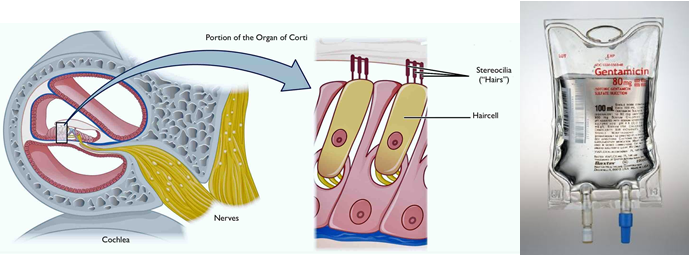
A male client has been receiving the antibiotic gentamicin sulfate IV piggyback every 12 hours for several days. Which observations by the nurse indicate that the client may be experiencing an adverse effect of gentamicin?
A. Hearing has decreased.
Gentamicin sulfate is an aminoglycoside antibiotic that can cause ototoxicity, which is damage to the inner ear leading to hearing loss or balance problems. Therefore, a decrease in hearing is an indication that the client may be experiencing an adverse effect of gentamicin.
B. Decreased blood urea nitrogen.
Option b, decreased blood urea nitrogen, is not an adverse effect of gentamicin, but it may indicate improvement in kidney function, which can be a positive outcome of treatment.
C. White blood cells count 6,000/mm3 (6x10⁹/L).
Option c, a white blood cell count of 6,000/mm3 (6x10⁹/L), is within the normal range and is not necessarily an adverse effect of gentamicin.
D. Reports of photophobia.
Option d, photophobia, is not a common adverse effect of gentamicin and may indicate a different condition or medication effect.
Full Explanation
Gentamicin sulfate is an aminoglycoside antibiotic that can cause ototoxicity, which is damage to the inner ear leading to hearing loss or balance problems. Therefore, a decrease in hearing is an indication that the client may be experiencing an adverse effect of gentamicin.
Option b, decreased blood urea nitrogen, is not an adverse effect of gentamicin, but it may indicate improvement in kidney function, which can be a positive outcome of treatment.
Option c, a white blood cell count of 6,000/mm3 (6x10⁹/L), is within the normal range and is not necessarily an adverse effect of gentamicin.
Option d, photophobia, is not a common adverse effect of gentamicin and may indicate a different condition or medication effect.
A client who receives multiple antihypertensive multiple medications experiences syncope due to a drop in blood pressure to 70/40 mm Hg. Which is the rationale for the nurse’s decision to hold the client’s scheduled antihypertensive medications?
A. Increased urinary clearance of the multiple medications has produced diuresis and lowered blood pressure.
Option a is incorrect because diuresis (increased urine output) is not a likely cause of the client's hypotension.
B. The synergetic effect of the multiple medication has resulted in drug toxicity and resulting hypotension.
Option b is incorrect because the client's symptoms suggest hypotension due to reduced blood pressure, rather than drug toxicity.
C. The antagonistic interaction among the various blood pressure medications has reduced their effectiveness.
Option c is incorrect because the antagonistic interaction among blood pressure medications would result in reduced effectiveness but would not necessarily cause hypotension.
D. The additive effect of multiple medications has caused the blood pressure to drop too low.
The client is experiencing syncope (fainting) due to a drop in blood pressure to 70/40 mm Hg, which is too low. This suggests that the client's blood pressure medications are reducing their blood pressure too much, resulting in hypotension. The rationale for the nurse's decision to hold the client's scheduled antihypertensive medications is to prevent further hypotension and allow the client's blood pressure to stabilize at a safer level.
Full Explanation
The client is experiencing syncope (fainting) due to a drop in blood pressure to 70/40 mm Hg, which is too low. This suggests that the client's blood pressure medications are reducing their blood pressure too much, resulting in hypotension. The rationale for the nurse's decision to hold the client's scheduled antihypertensive medications is to prevent further hypotension and allow the client's blood pressure to stabilize at a safer level.
Option a is incorrect because diuresis (increased urine output) is not a likely cause of the client's hypotension.
Option b is incorrect because the client's symptoms suggest hypotension due to reduced blood pressure, rather than drug toxicity.
Option c is incorrect because the antagonistic interaction among blood pressure medications would result in reduced effectiveness but would not necessarily cause hypotension.
The nurse is caring for a client who is taking diclofenac, an NSAID drug for rheumatoid arthritis. During a clinic visit, the client appears pale and reports increasing fatigue. Which of the client’s serum laboratory values is most important for the nurse to review?
A. Glucose
B. Total protein
C. Sodium
D. Hemoglobin
Diclofenac, like other NSAIDs, can cause gastrointestinal irritation and bleeding. The client’s symptoms of pallor and fatigue may indicate anemia due to blood loss. Reviewing the client’s hemoglobin level would help the nurse determine if the client is experiencing anemia and if further evaluation and intervention are needed.
Full Explanation
Diclofenac, like other NSAIDs, can cause gastrointestinal irritation and bleeding. The client’s symptoms of pallor and fatigue may indicate anemia due to blood loss. Reviewing the client’s hemoglobin level would help the nurse determine if the client is experiencing anemia and if further evaluation and intervention are needed.