Nursing practice questions with comprehensive rationales
NurseDive Free Nursing Practice Question
The nurse admits a client with a diagnosis of stage 4 cancer. The client has a prescription to wear a subcutaneous morphine sulfate patch for pain. The client is short of breath and difficult to arouse.
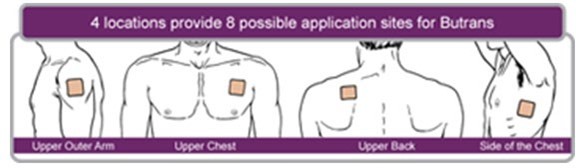
While performing a head-to-toe assessment, the nurse discovers four patches on the client’s body. Which action should the nurse take first?
A. Remove the morphine patches.
The client’s symptoms of being short of breath and difficult to arouse may indicate an overdose of morphine. The nurse should immediately remove the patches to prevent further absorption of the drug. After removing the patches, the nurse should continue to assess the client’s condition and take further actions as needed, such as administering a narcotic reversal drug or providing oxygen.
B. Monitor blood pressure.
C. Apply oxygen face mask.
D. Administer a narcotic reversal drug.
This question is an excerpt from Nurse Dive's nursing test bank - HESI Pharmacology Proctored Exam. Take the full exam now
Full Explanation
The client’s symptoms of being short of breath and difficult to arouse may indicate an overdose of morphine. The nurse should immediately remove the patches to prevent further absorption of the drug. After removing the patches, the nurse should continue to assess the client’s condition and take further actions as needed, such as administering a narcotic reversal drug or providing oxygen.

Similar Questions
After receiving five doses of filgrastim, the nurse notes that the clients white blood cell count has increased from 2,500/mm3 to 5,000/mm3. Which action would the nurse take?
A. Review the client’s culture and sensitivity reports.
B. Inform the client that the medication has been successful.
Filgrastim is a medication used to increase the production of white blood cells. An increase in the client’s white blood cell count from 2,500/mm3 to 5,000/mm3 after receiving five doses of filgrastim indicates that the medication has been effective in increasing the client’s white blood cell count. The nurse should inform the client of this positive outcome.
C. Implement neutropenic precautions.
D. Assess the clients’ vital signs.
Full Explanation
Filgrastim is a medication used to increase the production of white blood cells. An increase in the client’s white blood cell count from 2,500/mm3 to 5,000/mm3 after receiving five doses of filgrastim indicates that the medication has been effective in increasing the client’s white blood cell count. The nurse should inform the client of this positive outcome.

A client with open-angle glaucoma asks the nurse how long the prescribed eye drops will need to be used. Which response made by the nurse is accurate?
A. Until a smaller angle can be restored.
Likewise, restoring a smaller angle or managing pain and swelling may be secondary goals but are not the primary purpose of using eye drops in open-angle glaucoma
B. For long-term control of normal eye pressure.
Open-angle glaucoma is a chronic eye condition that can cause irreversible damage to the optic nerve, leading to vision loss or blindness. The primary goal of treatment is to lower and control the intraocular pressure (IOP) to prevent further damage. Eye drops are often prescribed to reduce the IOP and are typically used for long-term control of normal eye pressure, even if the pressure has been reduced to a safe level. Options a, c, and d are incorrect because they do not reflect the long-term management of open-angle glaucoma.
C. Until the excess pressure is reduced.
While reducing excess pressure may be a goal of treatment, it is not a guarantee that the eye drops will be discontinued once the pressure is normalized.
D. For long-term control of pain and swelling.
Likewise, restoring a smaller angle or managing pain and swelling may be secondary goals but are not the primary purpose of using eye drops in open-angle glaucoma
Full Explanation
Open-angle glaucoma is a chronic eye condition that can cause irreversible damage to the optic nerve, leading to vision loss or blindness. The primary goal of treatment is to lower and control the intraocular pressure (IOP) to prevent further damage. Eye drops are often prescribed to reduce the IOP and are typically used for long-term control of normal eye pressure, even if the pressure has been reduced to a safe level.
Options a, c, and d are incorrect because they do not reflect the long-term management of open-angle glaucoma.
While reducing excess pressure may be a goal of treatment, it is not a guarantee that the eye drops will be discontinued once the pressure is normalized.
Likewise, restoring a smaller angle or managing pain and swelling may be secondary goals but are not the primary purpose of using eye drops in open-angle glaucoma

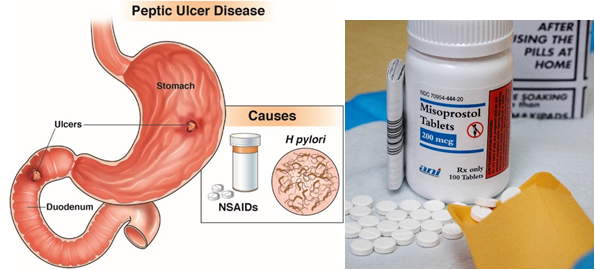
A female client with a history of peptic ulcer disease receives a prescription for misoprostol. Which information provided by the client indicates to the nurse a need for further teaching?
A. Begin therapy 1 week before the next normal menstrual cycle.
Misoprostol should not be used during pregnancy as it can cause harm to the fetus. Women of childbearing potential should use effective contraception while taking misoprostol. If there is a chance of conception, the healthcare provider should be contacted immediately. A negative pregnancy test is required before starting therapy with misoprostol .
B. Use condoms and a backup method of birth control.
C. Call the healthcare provider immediately if there is a chance of conception.
D. Ensure a negative pregnancy test two weeks before therapy.
Full Explanation
Misoprostol should not be used during pregnancy as it can cause harm to the fetus. Women of childbearing potential should use effective contraception while taking misoprostol. If there is a chance of conception, the healthcare provider should be contacted immediately. A negative pregnancy test is required before starting therapy with misoprostol .