
Nursing practice questions with comprehensive rationales
NurseDive Free Nursing Practice Question
White Blood Cell (WBC. Reference Range: 5000-10,000/mm^3 (5-10 x 10^9/L)
A. Moderate amount of foul-smelling lochia.
B. Blood pressure of 122/74 mm Hg
Blood pressure of 122/74 mm Hg is within the normal range for a postpartum client and does not indicate an infection. However, the nurse should monitor for signs of preeclampsia or eclampsia, such as hypertension, proteinuria, headache, blurred vision, and seizures.
C. Oral temperature of 100.2°F (37.9°C..
Oral temperature of 100.2°F (37.9°C. is slightly elevated, but not necessarily indicative of an infection. A mild fever may occur within the first 24 hours after delivery due to dehydration or hormonal changes. However, if the fever persists or increases, the nurse should suspect an infection and notify the healthcare provider.
D. White blood cell count of 19,000/mm^3 (19 x 10^9/L)
White blood cell count of 19,000/mm^3 (19 x 10^9/L) is higher than the normal range, but not necessarily indicative of an infection. A leukocytosis or increased WBC count may occur as a normal response to stress or trauma during delivery. However, if the WBC count remains elevated or increases further, the nurse should suspect an infection and notify the healthcare provider.
This question is an excerpt from Nurse Dive's nursing test bank - HESI Exit II Proctored Exam. Take the full exam now
Full Explanation
Choice B reason: Blood pressure of 122/74 mm Hg is within the normal range for a postpartum client and does not indicate an infection. However, the nurse should monitor for signs of preeclampsia or eclampsia, such as hypertension, proteinuria, headache, blurred vision, and seizures.
Choice C reason: Oral temperature of 100.2°F (37.9°C. is slightly elevated, but not necessarily indicative of an infection. A mild fever may occur within the first 24 hours after delivery due to dehydration or hormonal changes. However, if the fever persists or increases, the nurse should suspect an infection and notify the healthcare provider.
Choice D reason: White blood cell count of 19,000/mm^3 (19 x 10^9/L) is higher than the normal range, but not necessarily indicative of an infection. A leukocytosis or increased WBC count may occur as a normal response to stress or trauma during delivery. However, if the WBC count remains elevated or increases further, the nurse should suspect an infection and notify the healthcare provider.
Similar Questions
A 6-week-old infant with pyloric stenosis is scheduled for a pyloromyotomy. Which pre-operative nursing action has the highest priority?
A. Mark an outline of the "olive-shaped" mass in the right epigastric area.
Marking an outline of the "olive-shaped" mass in the right epigastric area is not a priority nursing action. The mass is caused by hypertrophy of the pyloric sphincter, which obstructs gastric emptying and causes projectile vomiting. The mass may not be palpable in all cases.
B. Instruct parents regarding care of the incisional area.
Instructing parents regarding care of the incisional area is a post-operative nursing action, not a pre-operative one. The parents will need to learn how to keep the incision clean and dry, monitor for signs of infection, and administer pain medication as prescribed.
C. Monitor amount of intake and infant's response to feedings.
Monitoring amount of intake and infant's response to feedings is important, but not the highest priority. The infant may have difficulty feeding due to nausea, vomiting, and abdominal pain.
D. Initiate a continuous infusion of IV fluids per prescription.
None
Full Explanation
Choice A reason: Marking an outline of the "olive-shaped" mass in the right epigastric area is not a priority nursing action. The mass is caused by hypertrophy of the pyloric sphincter, which obstructs gastric emptying and causes projectile vomiting. The mass may not be palpable in all cases.
Choice B reason: Instructing parents regarding care of the incisional area is a post-operative nursing action, not a pre-operative one. The parents will need to learn how to keep the incision clean and dry, monitor for signs of infection, and administer pain medication as prescribed.
Choice C reason: Monitoring amount of intake and infant's response to feedings is important, but not the highest priority. The infant may have difficulty feeding due to nausea, vomiting, and abdominal pain.
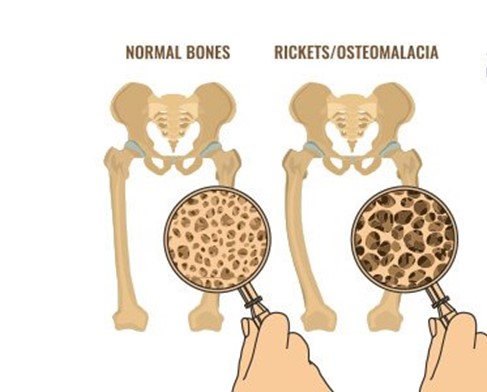
What environmental factor is most significant when planning care for a client with osteomalacia?
A. Quiet, calm surroundings
Quiet, calm surroundings are not a specific environmental factor for osteomalacia, which is a condition that causes softening and weakening of the bones due to vitamin D deficiency. However, they may be beneficial for promoting rest and comfort for the client.
B. Stimulating sounds and activity
Stimulating sounds and activity are not a specific environmental factor for osteomalacia, which is a condition that causes softening and weakening of the bones due to vitamin D deficiency. However, they may be helpful for enhancing mood and cognition for the client.
C. Cool, moist air
Cool, moist air is not a specific environmental factor for osteomalacia, which is a condition that causes softening and weakening of the bones due to vitamin D deficiency. However, it may be preferable for preventing dehydration and overheating for the client.
D. Adequate sunlight
This is the correct answer because adequate sunlight is the most significant environmental factor for osteomalacia, which is a condition that causes softening and weakening of the bones due to vitamin D deficiency. Sunlight exposure helps the skin synthesize vitamin D, which is essential for calcium absorption and bone mineralization.
Full Explanation
Choice A reason: Quiet, calm surroundings are not a specific environmental factor for osteomalacia, which is a condition that causes softening and weakening of the bones due to vitamin D deficiency. However, they may be beneficial for promoting rest and comfort for the client.
Choice B reason: Stimulating sounds and activity are not a specific environmental factor for osteomalacia, which is a condition that causes softening and weakening of the bones due to vitamin D deficiency. However, they may be helpful for enhancing mood and cognition for the client.
Choice C reason: Cool, moist air is not a specific environmental factor for osteomalacia, which is a condition that causes softening and weakening of the bones due to vitamin D deficiency. However, it may be preferable for preventing dehydration and overheating for the client.
The nurse is educating a client about essential hypertension prevention. Which information should the nurse provide? (Select all that apply.)
A. Alcohol consumption will not produce vascular changes.
Alcohol consumption will not produce vascular changes is incorrect information. Alcohol consumption can increase blood pressure by causing vasoconstriction, fluid retention, and interference with antihypertensive medications. The nurse should advise the client to limit alcohol intake to no more than one drink per day for women and two drinks per day for men.
B. Sodium intake can be regulated by limiting canned foods in the diet.
Sodium intake can be regulated by limiting canned foods in the diet is correct information. Sodium intake can increase blood pressure by causing fluid retention and increasing vascular resistance. The nurse should advise the client to limit sodium intake to no more than 2300 mg per day and avoid processed foods that are high in sodium, such as canned foods, soups, sauces, and snacks.
C. Salt substitutes can help with maintaining a healthy diet.
Salt substitutes can help with maintaining a healthy diet is correct information. Salt substitutes can reduce sodium intake by replacing sodium chloride with potassium chloride or other minerals. The nurse should advise the client to use salt substitutes sparingly and consult with their healthcare provider before using them if they have kidney disease or take certain medications that affect potassium levels.
D. Weight management is promoted by taking daily walks for thirty minutes.
Weight management is promoted by taking daily walks for thirty minutes is correct information. Weight management can lower blood pressure by reducing body fat, improving blood circulation, and enhancing insulin sensitivity. The nurse should advise the client to maintain a healthy weight and engage in moderate physical activity for at least 150 minutes per week.
E. Blood pressure readings should be taken at noontime.
Blood pressure readings should be taken at noontime is incorrect information. Blood pressure readings should be taken at different times of the day, preferably in the morning and evening, to monitor fluctuations and trends. The nurse should advise the client to use a home blood pressure monitor that is accurate and calibrated and follow proper techniques for measuring blood pressure.
F. Uncontrolled hypertension can lead to renal damage.
Uncontrolled hypertension can lead to renal damage is correct information. Uncontrolled hypertension can damage the blood vessels in the kidneys, leading to reduced kidney function and chronic kidney disease. The nurse should advise the client to follow their prescribed treatment plan and monitor their blood pressure regularly.
Full Explanation
Choice A reason: Alcohol consumption will not produce vascular changes is incorrect information. Alcohol consumption can increase blood pressure by causing vasoconstriction, fluid retention, and interference with antihypertensive medications. The nurse should advise the client to limit alcohol intake to no more than one drink per day for women and two drinks per day for men.
Choice B reason: Sodium intake can be regulated by limiting canned foods in the diet is correct information. Sodium intake can increase blood pressure by causing fluid retention and increasing vascular resistance. The nurse should advise the client to limit sodium intake to no more than 2300 mg per day and avoid processed foods that are high in sodium, such as canned foods, soups, sauces, and snacks.
Choice C reason: Salt substitutes can help with maintaining a healthy diet is correct information. Salt substitutes can reduce sodium intake by replacing sodium chloride with potassium chloride or other minerals. The nurse should advise the client to use salt substitutes sparingly and consult with their healthcare provider before using them if they have kidney disease or take certain medications that affect potassium levels.
Choice D reason: Weight management is promoted by taking daily walks for thirty minutes is correct information. Weight management can lower blood pressure by reducing body fat, improving blood circulation, and enhancing insulin sensitivity. The nurse should advise the client to maintain a healthy weight and engage in moderate physical activity for at least 150 minutes per week.
Choice E reason: Blood pressure readings should be taken at noontime is incorrect information. Blood pressure readings should be taken at different times of the day, preferably in the morning and evening, to monitor fluctuations and trends. The nurse should advise the client to use a home blood pressure monitor that is accurate and calibrated and follow proper techniques for measuring blood pressure.
Choice F reason: Uncontrolled hypertension can lead to renal damage is correct information. Uncontrolled hypertension can damage the blood vessels in the kidneys, leading to reduced kidney function and chronic kidney disease. The nurse should advise the client to follow their prescribed treatment plan and monitor their blood pressure regularly.