
Nursing practice questions with comprehensive rationales
NurseDive Free Nursing Practice Question
A. Increased serum albumin
: Increased Serum Albumin Increased serum albumin is not a direct indicator of the therapeutic effect of lactulose in patients with chronic hepatitis. Albumin is a protein made by the liver, and its levels can be affected by liver function. However, lactulose primarily works by reducing ammonia levels in the blood, not by increasing albumin levels. Normal serum albumin levels range from 3.5 to 5.5 grams per deciliter (g/dL). While improved liver function might eventually lead to increased albumin levels, this is not the primary therapeutic effect of lactulose.
B. Decreased serum bilirubin
: Decreased Serum Bilirubin Decreased serum bilirubin is also not a direct indicator of lactulose’s therapeutic effect. Bilirubin is a byproduct of the normal breakdown of red blood cells and is processed by the liver. Elevated bilirubin levels can indicate liver dysfunction, but lactulose’s main role is to reduce ammonia levels, not bilirubin. Normal serum bilirubin levels are typically between 0.1 to 1.2 milligrams per deciliter (mg/dL). While improved liver function might reduce bilirubin levels, this is not the primary goal of lactulose therapy.
C. Decreased serum ammonia
: Decreased Serum Ammonia Decreased serum ammonia is the correct indicator of the therapeutic effect of lactulose in patients with chronic hepatitis. Lactulose is used to treat hepatic encephalopathy, a condition caused by high levels of ammonia in the blood due to liver dysfunction. Lactulose works by converting ammonia into ammonium, which is then excreted from the body. Normal serum ammonia levels are less than 50 micromoles per liter (µmol/L) in adults56. A decrease in serum ammonia levels indicates that lactulose is effectively reducing the toxic levels of ammonia in the blood, thereby achieving its desired therapeutic effect.
D. Decreased serum alanine aminotransferase (ALT)
: Decreased Serum Alanine Aminotransferase (ALT) Decreased serum alanine aminotransferase (ALT) is not a direct indicator of lactulose’s therapeutic effect. ALT is an enzyme found in the liver that helps convert proteins into energy for liver cells. Elevated ALT levels can indicate liver damage. Normal ALT levels range from 7 to 56 units per liter (U/L). While improved liver function might reduce ALT levels, lactulose’s primary role is to reduce ammonia levels, not directly affect ALT.
This question is an excerpt from Nurse Dive's nursing test bank - Final Med Surg Comprehensive Proctored Exam (Brooklyn University). Take the full exam now
Full Explanation
Choice A Reason: Increased Serum Albumin
Increased serum albumin is not a direct indicator of the therapeutic effect of lactulose in patients with chronic hepatitis. Albumin is a protein made by the liver, and its levels can be affected by liver function. However, lactulose primarily works by reducing ammonia levels in the blood, not by increasing albumin levels. Normal serum albumin levels range from 3.5 to 5.5 grams per deciliter (g/dL). While improved liver function might eventually lead to increased albumin levels, this is not the primary therapeutic effect of lactulose.
Choice B Reason: Decreased Serum Bilirubin
Decreased serum bilirubin is also not a direct indicator of lactulose’s therapeutic effect. Bilirubin is a byproduct of the normal breakdown of red blood cells and is processed by the liver. Elevated bilirubin levels can indicate liver dysfunction, but lactulose’s main role is to reduce ammonia levels, not bilirubin. Normal serum bilirubin levels are typically between 0.1 to 1.2 milligrams per deciliter (mg/dL). While improved liver function might reduce bilirubin levels, this is not the primary goal of lactulose therapy.
Choice C Reason: Decreased Serum Ammonia
Decreased serum ammonia is the correct indicator of the therapeutic effect of lactulose in patients with chronic hepatitis. Lactulose is used to treat hepatic encephalopathy, a condition caused by high levels of ammonia in the blood due to liver dysfunction. Lactulose works by converting ammonia into ammonium, which is then excreted from the body. Normal serum ammonia levels are less than 50 micromoles per liter (µmol/L) in adults56. A decrease in serum ammonia levels indicates that lactulose is effectively reducing the toxic levels of ammonia in the blood, thereby achieving its desired therapeutic effect.
Choice D Reason: Decreased Serum Alanine Aminotransferase (ALT)
Decreased serum alanine aminotransferase (ALT) is not a direct indicator of lactulose’s therapeutic effect. ALT is an enzyme found in the liver that helps convert proteins into energy for liver cells. Elevated ALT levels can indicate liver damage. Normal ALT levels range from 7 to 56 units per liter (U/L). While improved liver function might reduce ALT levels, lactulose’s primary role is to reduce ammonia levels, not directly affect ALT.
Similar Questions
The nurse caring for mechanically ventilated clients uses best practices to prevent ventilator-associated pneumonia. What actions are included in this practice? (Select all that apply)
A. Adherence to proper hand hygiene
: Adherence to proper hand hygiene Proper hand hygiene is a fundamental practice in preventing infections, including ventilator-associated pneumonia (VAP). Hand hygiene involves washing hands with soap and water or using an alcohol-based hand sanitizer before and after patient contact, after touching potentially contaminated surfaces, and before performing any aseptic procedures. This practice helps to reduce the transmission of pathogens that can cause infections in mechanically ventilated patients. Studies have shown that adherence to hand hygiene protocols significantly decreases the incidence of VAP and other healthcare-associated infections.
B. Suction the client at least every 2 hours
ne suctioning on a regular schedule is not recommended. Suctioning should be performed based on the patient’s clinical needs and not on a fixed schedule. Over-suctioning can cause harm and increase the risk of infection. Therefore, this choice is not included in the best practices for preventing VAP.
C. Administering antiulcer medication
: Administering antiulcer medication Administering antiulcer medication is a recommended practice to prevent stress ulcers and gastrointestinal bleeding in mechanically ventilated patients. Stress ulcers can lead to complications such as aspiration of gastric contents, which can contribute to the development of VAP. Antiulcer medications, such as proton pump inhibitors or H2 receptor antagonists, help to reduce gastric acidity and the risk of ulcer formation. This practice is part of the comprehensive care plan to prevent VAP.
D. Providing oral care per protocol
: Providing oral care per protocol Providing oral care per protocol is a critical component of VAP prevention. Oral care involves cleaning the patient’s mouth, teeth, and gums to reduce the colonization of harmful bacteria that can be aspirated into the lungs. Protocols for oral care typically include the use of antiseptic solutions, such as chlorhexidine, to disinfect the oral cavity. Regular oral care has been shown to significantly reduce the incidence of VAP in mechanically ventilated patients.
E. Elevating the head of the bed
: Elevating the head of the bed Elevating the head of the bed to an angle of 30 to 45 degrees is a recommended practice to prevent VAP. This position helps to reduce the risk of aspiration of gastric contents into the lungs, which is a major risk factor for VAP. Elevating the head of the bed also promotes better lung expansion and ventilation, which can improve the patient’s respiratory status. This practice is widely recognized as an effective measure to prevent VAP.
F. Suctioning the client on a regular schedule
: Suctioning the client on a regular schedule Similar to
G. Turning and positioning the client at least every 2 hours
: Turning and positioning the client at least every 2 hours Turning and positioning the client at least every 2 hours is an important practice to prevent complications such as pressure ulcers and to promote lung expansion. Regular repositioning helps to improve ventilation and drainage of secretions, reducing the risk of VAP. This practice is part of the standard care for mechanically ventilated patients to prevent various complications, including VAP.
Full Explanation
Choice A Reason: Adherence to proper hand hygiene
Proper hand hygiene is a fundamental practice in preventing infections, including ventilator-associated pneumonia (VAP). Hand hygiene involves washing hands with soap and water or using an alcohol-based hand sanitizer before and after patient contact, after touching potentially contaminated surfaces, and before performing any aseptic procedures. This practice helps to reduce the transmission of pathogens that can cause infections in mechanically ventilated patients. Studies have shown that adherence to hand hygiene protocols significantly decreases the incidence of VAP and other healthcare-associated infections.
Choice B Reason: Suction the client at least every 2 hours
While suctioning is an important aspect of care for mechanically ventilated patients, routine suctioning every 2 hours is not recommended. Instead, suctioning should be performed based on the patient’s clinical condition and as needed. Over-suctioning can cause trauma to the airway and increase the risk of infection. Therefore, this choice is not included in the best practices for preventing VAP.
Choice C Reason: Administering antiulcer medication
Administering antiulcer medication is a recommended practice to prevent stress ulcers and gastrointestinal bleeding in mechanically ventilated patients. Stress ulcers can lead to complications such as aspiration of gastric contents, which can contribute to the development of VAP. Antiulcer medications, such as proton pump inhibitors or H2 receptor antagonists, help to reduce gastric acidity and the risk of ulcer formation. This practice is part of the comprehensive care plan to prevent VAP.
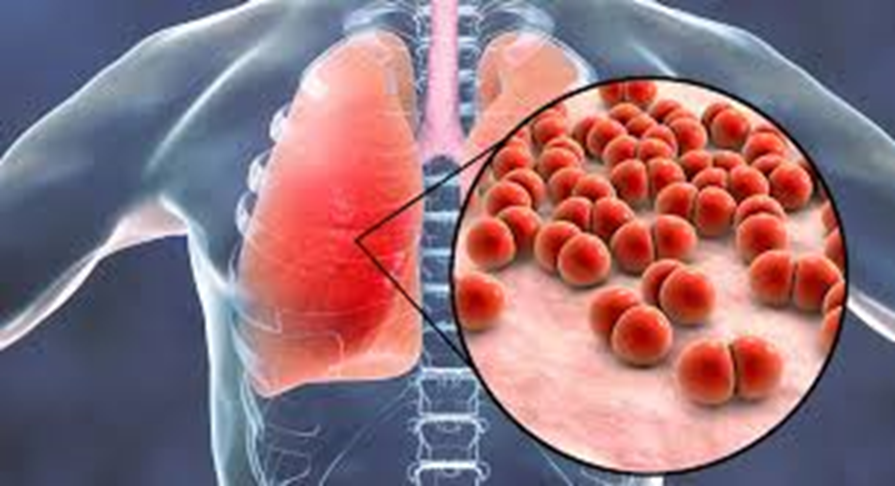
Choice D Reason: Providing oral care per protocol
Providing oral care per protocol is a critical component of VAP prevention. Oral care involves cleaning the patient’s mouth, teeth, and gums to reduce the colonization of harmful bacteria that can be aspirated into the lungs. Protocols for oral care typically include the use of antiseptic solutions, such as chlorhexidine, to disinfect the oral cavity. Regular oral care has been shown to significantly reduce the incidence of VAP in mechanically ventilated patients.
Choice E Reason: Elevating the head of the bed
Elevating the head of the bed to an angle of 30 to 45 degrees is a recommended practice to prevent VAP. This position helps to reduce the risk of aspiration of gastric contents into the lungs, which is a major risk factor for VAP. Elevating the head of the bed also promotes better lung expansion and ventilation, which can improve the patient’s respiratory status. This practice is widely recognized as an effective measure to prevent VAP.
Choice F Reason: Suctioning the client on a regular schedule
Similar to Choice B, routine suctioning on a regular schedule is not recommended. Suctioning should be performed based on the patient’s clinical needs and not on a fixed schedule. Over-suctioning can cause harm and increase the risk of infection. Therefore, this choice is not included in the best practices for preventing VAP.
Choice G Reason: Turning and positioning the client at least every 2 hours
Turning and positioning the client at least every 2 hours is an important practice to prevent complications such as pressure ulcers and to promote lung expansion. Regular repositioning helps to improve ventilation and drainage of secretions, reducing the risk of VAP. This practice is part of the standard care for mechanically ventilated patients to prevent various complications, including VAP.
A client needs 5 liters of oxygen. Which of the following devices is appropriate for use with an oxygen flow rate of 5 liters? Select all that apply:
A. High-flow nasal cannula
: High-flow nasal cannula The high-flow nasal cannula (HFNC) is designed to deliver oxygen at flow rates much higher than 5 liters per minute, typically ranging from 20 to 60 liters per minute. It is used for patients requiring high levels of oxygen and positive airway pressure. Therefore, it is not appropriate for a flow rate of 5 liters per minute.
B. Simple face mask
: Simple face mask The simple face mask is suitable for delivering oxygen at flow rates between 6 to 10 liters per minute. However, it can also be used at a flow rate of 5 liters per minute, providing an FiO2 (fraction of inspired oxygen) of approximately 40-60%. This makes it an appropriate choice for the given requirement.
C. Nasal cannula
: Nasal cannula The nasal cannula is a low-flow oxygen delivery device that can deliver oxygen at flow rates from 1 to 6 liters per minute. At 5 liters per minute, it provides an FiO2 of approximately 40%. It is comfortable for patients and is commonly used for those who need a moderate amount of supplemental oxygen.
D. Non-rebreather mask
: Non-rebreather mask The non-rebreather mask is designed to deliver high concentrations of oxygen, typically at flow rates of 10 to 15 liters per minute. It is used in situations where patients need a high FiO2, close to 100%. Therefore, it is not suitable for a flow rate of 5 liters per minute.
E. Venturi mask
: Venturi mask The Venturi mask is used to deliver precise oxygen concentrations, typically ranging from 24% to 60% FiO2. It is suitable for patients who require controlled oxygen therapy. While it can be adjusted to deliver oxygen at a flow rate of 5 liters per minute, it is generally used for more specific FiO2 requirements.
Full Explanation
Choice A Reason: High-flow nasal cannula
The high-flow nasal cannula (HFNC) is designed to deliver oxygen at flow rates much higher than 5 liters per minute, typically ranging from 20 to 60 liters per minute. It is used for patients requiring high levels of oxygen and positive airway pressure. Therefore, it is not appropriate for a flow rate of 5 liters per minute.
Choice B Reason: Simple face mask
The simple face mask is suitable for delivering oxygen at flow rates between 6 to 10 liters per minute. However, it can also be used at a flow rate of 5 liters per minute, providing an FiO2 (fraction of inspired oxygen) of approximately 40-60%. This makes it an appropriate choice for the given requirement.
Choice C Reason: Nasal cannula
The nasal cannula is a low-flow oxygen delivery device that can deliver oxygen at flow rates from 1 to 6 liters per minute. At 5 liters per minute, it provides an FiO2 of approximately 40%. It is comfortable for patients and is commonly used for those who need a moderate amount of supplemental oxygen.
Choice D Reason: Non-rebreather mask
The non-rebreather mask is designed to deliver high concentrations of oxygen, typically at flow rates of 10 to 15 liters per minute. It is used in situations where patients need a high FiO2, close to 100%. Therefore, it is not suitable for a flow rate of 5 liters per minute.
Choice E Reason: Venturi mask
The Venturi mask is used to deliver precise oxygen concentrations, typically ranging from 24% to 60% FiO2. It is suitable for patients who require controlled oxygen therapy. While it can be adjusted to deliver oxygen at a flow rate of 5 liters per minute, it is generally used for more specific FiO2 requirements.
The nurse has just received a report on a group of clients on the neurosurgical unit. Which client is the nurse’s first priority?
A. Client who displays plantar flexion when the bottom of the foot is stroked.
: The client who displays plantar flexion when the bottom of the foot is stroked is exhibiting a normal reflex response known as the plantar reflex. This response indicates that the corticospinal tract is functioning properly. In adults, the normal response is plantar flexion of the toes, which means the toes curl downward. This is not an immediate cause for concern and does not indicate a life-threatening condition.
B. Client who consistently demonstrates decortication when stimulated.
: The client who consistently demonstrates decortication when stimulated is showing signs of severe brain injury. Decorticate posturing is characterized by the arms being flexed at the elbows and held tightly to the chest, with the legs extended and feet turned inward. This type of posturing indicates damage to the cerebral hemispheres, thalamus, or midbrain. While this is a serious condition, it is not necessarily the most immediate priority compared to a sudden change in the Glasgow Coma Scale.
C. Client whose Glasgow Coma Scale (GCS) has changed from 15 to 12.
: The client whose Glasgow Coma Scale (GCS) has changed from 15 to 12 is the nurse’s first priority. The GCS is a critical tool used to assess a patient’s level of consciousness, with scores ranging from 3 (deep coma) to 15 (fully awake and alert). A drop in GCS score indicates a significant decline in neurological function, which could be due to increased intracranial pressure, bleeding, or other acute changes in the brain. This requires immediate assessment and intervention to prevent further deterioration.
D. Client whose deep tendon reflexes have become hyperactive.
: The client whose deep tendon reflexes have become hyperactive is showing signs of hyperreflexia. Hyperactive reflexes can indicate an upper motor neuron lesion, which affects the descending corticospinal tract. While this is a concerning sign that warrants further investigation, it is not as immediately critical as a sudden change in the GCS score.
Full Explanation
Choice A Reason:
The client who displays plantar flexion when the bottom of the foot is stroked is exhibiting a normal reflex response known as the plantar reflex. This response indicates that the corticospinal tract is functioning properly. In adults, the normal response is plantar flexion of the toes, which means the toes curl downward. This is not an immediate cause for concern and does not indicate a life-threatening condition.
Choice B Reason:
The client who consistently demonstrates decortication when stimulated is showing signs of severe brain injury. Decorticate posturing is characterized by the arms being flexed at the elbows and held tightly to the chest, with the legs extended and feet turned inward. This type of posturing indicates damage to the cerebral hemispheres, thalamus, or midbrain. While this is a serious condition, it is not necessarily the most immediate priority compared to a sudden change in the Glasgow Coma Scale.
Choice C Reason:
The client whose Glasgow Coma Scale (GCS) has changed from 15 to 12 is the nurse’s first priority. The GCS is a critical tool used to assess a patient’s level of consciousness, with scores ranging from 3 (deep coma) to 15 (fully awake and alert). A drop in GCS score indicates a significant decline in neurological function, which could be due to increased intracranial pressure, bleeding, or other acute changes in the brain. This requires immediate assessment and intervention to prevent further deterioration.
Choice D Reason:
The client whose deep tendon reflexes have become hyperactive is showing signs of hyperreflexia. Hyperactive reflexes can indicate an upper motor neuron lesion, which affects the descending corticospinal tract. While this is a concerning sign that warrants further investigation, it is not as immediately critical as a sudden change in the GCS score.