
Nursing practice questions with comprehensive rationales
NurseDive Free Nursing Practice Question
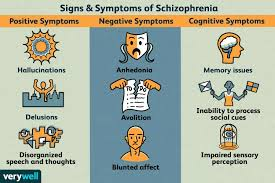
The nurse is caring for a client diagnosed with schizophrenia. Which of the following should the nurse identify as findings consistent with schizophrenia? (Select all that apply.)
A. Schizophrenia can be cured with antidepressants.
Schizophrenia cannot be cured with antidepressants. Antidepressants may be used to treat comorbid depression in individuals with schizophrenia, but they do not address the core symptoms of schizophrenia itself. Schizophrenia is a chronic condition that typically requires lifelong treatment with antipsychotic medications to manage symptoms.
B. Schizophrenia typically first presents in adolescence or early adulthood.
Schizophrenia typically first presents in adolescence or early adulthood. This is the period when symptoms such as hallucinations, delusions, and disorganized thinking often first become apparent. The onset of schizophrenia during this developmental stage can significantly impact an individual's social and vocational abilities.
C. Antipsychotic medications can be used to manage symptoms of hallucinations and delusions.
Antipsychotic medications are the cornerstone of schizophrenia treatment. They can be used to manage symptoms of hallucinations and delusions, which are known as positive symptoms of schizophrenia. These medications work by affecting neurotransmitters in the brain, particularly dopamine.
D. Some clients with schizophrenia have a higher risk of substance abuse disorders.
Individuals with schizophrenia have a higher risk of substance abuse disorders. Substance use can exacerbate symptoms of schizophrenia and complicate the course of the illness. It is important for treatment plans to address any co-occurring substance use disorders.
E. Schizophrenia affects thoughts and perceptions.
Schizophrenia significantly affects thoughts and perceptions. It can cause distorted thinking patterns, false beliefs, and sensory experiences that others do not share. These symptoms can be distressing and may lead to difficulties in distinguishing reality.
This question is an excerpt from Nurse Dive's nursing test bank - Ati N133 Mental Health Proctored Exam 1. Take the full exam now
Full Explanation
Choice A Reason:
Schizophrenia cannot be cured with antidepressants. Antidepressants may be used to treat comorbid depression in individuals with schizophrenia, but they do not address the core symptoms of schizophrenia itself. Schizophrenia is a chronic condition that typically requires lifelong treatment with antipsychotic medications to manage symptoms.
Choice B Reason:
Schizophrenia typically first presents in adolescence or early adulthood. This is the period when symptoms such as hallucinations, delusions, and disorganized thinking often first become apparent. The onset of schizophrenia during this developmental stage can significantly impact an individual's social and vocational abilities.
Choice C Reason:
Antipsychotic medications are the cornerstone of schizophrenia treatment. They can be used to manage symptoms of hallucinations and delusions, which are known as positive symptoms of schizophrenia. These medications work by affecting neurotransmitters in the brain, particularly dopamine.
Choice D Reason:
Individuals with schizophrenia have a higher risk of substance abuse disorders. Substance use can exacerbate symptoms of schizophrenia and complicate the course of the illness. It is important for treatment plans to address any co-occurring substance use disorders.
Choice E Reason:
Schizophrenia significantly affects thoughts and perceptions. It can cause distorted thinking patterns, false beliefs, and sensory experiences that others do not share. These symptoms can be distressing and may lead to difficulties in distinguishing reality.
Similar Questions
Two clients are in the garden disagreeing on which plant should go in the corner. One client says to the other, "I would really like to plant the sunflower." The nurse recognizes this as which form of communication response pattern?
A. Passive-Aggressive
Passive-aggressive communication involves expressing negative feelings indirectly rather than openly addressing them. It often manifests as sarcasm, backhanded compliments, or subtle digs. In this scenario, the client is directly stating their preference without any indirect negativity, so it is not passive-aggressive.
B. Aggressive
Aggressive communication is characterized by speaking in a way that violates or disrespects others. It often includes yelling, interrupting, or demeaning language. The client's statement does not display any of these characteristics; instead, it is a straightforward expression of their wish.
C. Nonassertive
Nonassertive communication, also known as passive communication, occurs when individuals fail to express their thoughts or feelings, or they do so without confidence. The client in the garden is clearly stating their desire to plant the sunflower, which is not indicative of a nonassertive pattern.
D. Assertive
Assertive communication is the act of expressing one's opinions, feelings, and needs in a clear, direct, and respectful way. It involves standing up for oneself while also considering the rights and feelings of others. The client's statement, "I would really like to plant the sunflower," is a clear, direct expression of their preference, making it an assertive form of communication.
Full Explanation
Choice A Reason:
Passive-aggressive communication involves expressing negative feelings indirectly rather than openly addressing them. It often manifests as sarcasm, backhanded compliments, or subtle digs. In this scenario, the client is directly stating their preference without any indirect negativity, so it is not passive-aggressive.
Choice B Reason:
Aggressive communication is characterized by speaking in a way that violates or disrespects others. It often includes yelling, interrupting, or demeaning language. The client's statement does not display any of these characteristics; instead, it is a straightforward expression of their wish.
Choice C Reason:
Nonassertive communication, also known as passive communication, occurs when individuals fail to express their thoughts or feelings, or they do so without confidence. The client in the garden is clearly stating their desire to plant the sunflower, which is not indicative of a nonassertive pattern.
Choice D Reason:
Assertive communication is the act of expressing one's opinions, feelings, and needs in a clear, direct, and respectful way. It involves standing up for oneself while also considering the rights and feelings of others. The client's statement, "I would really like to plant the sunflower," is a clear, direct expression of their preference, making it an assertive form of communication.
A nurse is caring for a client on the Mental Health Unit. The client refuses to get out of bed, go to activities, or participate in any of the unit’s programs. Which of the following responses should the nurse make?
A. “You should rest until you feel able to join the group.”
While this response may seem compassionate, it does not encourage the client to engage in activities that could benefit their mental health. Allowing the client to remain isolated may reinforce feelings of helplessness or depression. It is important to motivate clients to participate in therapeutic activities to promote their recovery.
B. “I will help you get ready, and then you can rest after activities.”
This response is supportive and offers a compromise. It acknowledges the client’s current state and provides assistance, while also gently encouraging participation in activities. By offering help and allowing for rest afterward, the nurse is using an empathetic approach to facilitate the client’s involvement in the unit’s programs.
C. “If you do not get out of bed, you will not receive your meal.”
This response is coercive and could be considered a threat. It is not therapeutic to withhold basic needs such as meals as a form of punishment or to force compliance. Such an approach can damage the nurse-client relationship and is not conducive to the client’s recovery.
D. “You really need to follow the rest of the unit and get out of bed.”
This response may come across as dismissive and demanding. It does not offer support or acknowledge the client’s feelings. Telling the client what they “need” to do without offering help or understanding can lead to resistance and a lack of trust in the nurse-client relationship.
Full Explanation
Choice A Reason: While this response may seem compassionate, it does not encourage the client to engage in activities that could benefit their mental health. Allowing the client to remain isolated may reinforce feelings of helplessness or depression. It is important to motivate clients to participate in therapeutic activities to promote their recovery.
Choice B Reason: This response is supportive and offers a compromise. It acknowledges the client’s current state and provides assistance, while also gently encouraging participation in activities. By offering help and allowing for rest afterward, the nurse is using an empathetic approach to facilitate the client’s involvement in the unit’s programs.
Choice C Reason: This response is coercive and could be considered a threat. It is not therapeutic to withhold basic needs such as meals as a form of punishment or to force compliance. Such an approach can damage the nurse-client relationship and is not conducive to the client’s recovery.
Choice D Reason: This response may come across as dismissive and demanding. It does not offer support or acknowledge the client’s feelings. Telling the client what they “need” to do without offering help or understanding can lead to resistance and a lack of trust in the nurse-client relationship.
The nurse is caring for a newly admitted client diagnosed with catatonic schizophrenia. Which of the following behaviors should the nurse document to be consistent with catatonic schizophrenia? The client:
A. Laughs when watching a sad movie.
Laughing inappropriately, such as when watching a sad movie, can be a symptom of schizophrenia, but it is not specific to the catatonic subtype. Inappropriate affect may occur in schizophrenia but does not solely characterize catatonic behavior.
B. Maintains an immobilized state for several hours.
Catatonic schizophrenia is marked by periods of immobility or stupor. A client who maintains an immobilized state for several hours is displaying a classic sign of catatonia. During these periods, the client may be mute, rigid, and resistant to movement, which are key features of this condition.
C. Refuses to eat any unwrapped foods.
Refusing to eat certain types of food is not specifically indicative of catatonic schizophrenia. While individuals with schizophrenia may have unusual preferences or fears related to food, this behavior could be related to a variety of factors and is not a definitive sign of catatonia.
D. Uses a rhyming form of speech.
Using a rhyming form of speech, known as clang associations, can be seen in schizophrenia but is more characteristic of disorganized thinking associated with the disorder rather than catatonia. Catatonia involves motoric symptoms rather than speech patterns.
Full Explanation
Choice A Reason:
Laughing inappropriately, such as when watching a sad movie, can be a symptom of schizophrenia, but it is not specific to the catatonic subtype. Inappropriate affect may occur in schizophrenia but does not solely characterize catatonic behavior.
Choice B Reason:
Catatonic schizophrenia is marked by periods of immobility or stupor. A client who maintains an immobilized state for several hours is displaying a classic sign of catatonia. During these periods, the client may be mute, rigid, and resistant to movement, which are key features of this condition.
Choice C Reason:
Refusing to eat certain types of food is not specifically indicative of catatonic schizophrenia. While individuals with schizophrenia may have unusual preferences or fears related to food, this behavior could be related to a variety of factors and is not a definitive sign of catatonia.
Choice D Reason:
Using a rhyming form of speech, known as clang associations, can be seen in schizophrenia but is more characteristic of disorganized thinking associated with the disorder rather than catatonia. Catatonia involves motoric symptoms rather than speech patterns.