
Nursing practice questions with comprehensive rationales
NurseDive Free Nursing Practice Question
The nurse is caring for a client who is diagnosed with bacterial meningitis. Which assessment finding would be an immediate concern for the nurse?
A. Periodic nystagmus
Periodic Nystagmus Nystagmus, which is characterized by involuntary eye movements, can be a symptom of various neurological conditions, including bacterial meningitis. However, it is not typically an immediate concern compared to other symptoms. Nystagmus indicates potential issues with the brainstem or cerebellum, but it does not directly threaten the patient’s life or indicate a rapid deterioration in condition. Therefore, while it is important to monitor, it is not the most urgent finding.
B. Severe unrelenting headaches
Severe Unrelenting Headaches Severe headaches are a common symptom of bacterial meningitis due to the inflammation of the meninges. While they are extremely painful and distressing for the patient, they are not as immediately life-threatening as a decreased level of consciousness. Headaches indicate increased intracranial pressure, which is serious, but the priority is to address symptoms that indicate a more rapid decline in neurological function.
C. Photophobia during the day
Photophobia During the Day Photophobia, or sensitivity to light, is another common symptom of meningitis. It results from the irritation of the meninges and is often accompanied by headaches. While photophobia can be very uncomfortable and indicative of meningitis, it is not an immediate concern compared to a decreased level of consciousness. Photophobia does not directly indicate a life-threatening situation.
D. Decreased level of consciousness
Decreased Level of Consciousness A decreased level of consciousness is the most immediate concern for a nurse caring for a patient with bacterial meningitis. This symptom indicates a significant and potentially rapid decline in the patient’s neurological status. It can be a sign of increased intracranial pressure, brain swelling, or other severe complications. Immediate medical intervention is required to prevent further deterioration and potential fatality. Monitoring and addressing changes in consciousness are critical in managing bacterial meningitis effectively.
This question is an excerpt from Nurse Dive's nursing test bank - Final Med Surg Comprehensive Proctored Exam (Brooklyn University). Take the full exam now
Full Explanation
Choice A: Periodic Nystagmus
Nystagmus, which is characterized by involuntary eye movements, can be a symptom of various neurological conditions, including bacterial meningitis. However, it is not typically an immediate concern compared to other symptoms. Nystagmus indicates potential issues with the brainstem or cerebellum, but it does not directly threaten the patient’s life or indicate a rapid deterioration in condition. Therefore, while it is important to monitor, it is not the most urgent finding.
Choice B: Severe Unrelenting Headaches
Severe headaches are a common symptom of bacterial meningitis due to the inflammation of the meninges. While they are extremely painful and distressing for the patient, they are not as immediately life-threatening as a decreased level of consciousness. Headaches indicate increased intracranial pressure, which is serious, but the priority is to address symptoms that indicate a more rapid decline in neurological function.
Choice C: Photophobia During the Day
Photophobia, or sensitivity to light, is another common symptom of meningitis. It results from the irritation of the meninges and is often accompanied by headaches. While photophobia can be very uncomfortable and indicative of meningitis, it is not an immediate concern compared to a decreased level of consciousness. Photophobia does not directly indicate a life-threatening situation.
Choice D: Decreased Level of Consciousness
A decreased level of consciousness is the most immediate concern for a nurse caring for a patient with bacterial meningitis. This symptom indicates a significant and potentially rapid decline in the patient’s neurological status. It can be a sign of increased intracranial pressure, brain swelling, or other severe complications. Immediate medical intervention is required to prevent further deterioration and potential fatality. Monitoring and addressing changes in consciousness are critical in managing bacterial meningitis effectively.
Similar Questions
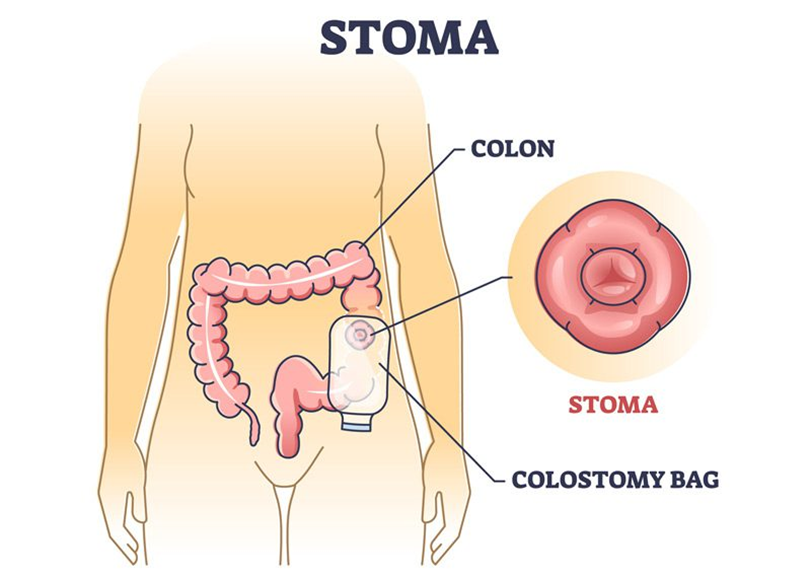
A nurse in a PACU is assessing a client who has a newly created colostomy. Which of the following findings should the nurse report to the provider?
A. Rosebud-like stoma orifice
Rosebud-like Stoma Orifice A rosebud-like stoma orifice is typically a normal appearance for a new stoma. The stoma should be moist, pink to red in color, and protrude slightly from the abdomen, resembling a rosebud. This appearance indicates good blood flow and proper healing. Therefore, this finding does not usually require immediate reporting to the provider.
B. Stoma oozing red drainage
Oozing Red Drainage While some minor bleeding or oozing can be normal immediately after surgery, persistent or significant red drainage from the stoma could indicate a complication such as infection or trauma to the stoma site. This finding should be monitored closely, but it is not as immediately concerning as a purplish-colored stoma, which indicates a more severe issue.
C. Shiny, moist stoma
, Moist Stoma A shiny, moist stoma is a sign of a healthy stoma. The stoma should always appear moist and slightly shiny due to the mucus produced by the intestinal lining. This finding is normal and does not require reporting to the provider.
D. Purplish-colored stoma
Purplish-Colored Stoma A purplish-colored stoma is an immediate concern and should be reported to the provider. This discoloration can indicate compromised blood flow to the stoma, which can lead to tissue necrosis if not addressed promptly. Ensuring adequate blood supply is crucial for the stoma’s viability and the patient’s overall health. Immediate medical intervention is necessary to prevent further complications.
E. None
None
F. None
None
Full Explanation
Choice A: Rosebud-like Stoma Orifice
A rosebud-like stoma orifice is typically a normal appearance for a new stoma. The stoma should be moist, pink to red in color, and protrude slightly from the abdomen, resembling a rosebud. This appearance indicates good blood flow and proper healing. Therefore, this finding does not usually require immediate reporting to the provider.
Choice B: Stoma Oozing Red Drainage
While some minor bleeding or oozing can be normal immediately after surgery, persistent or significant red drainage from the stoma could indicate a complication such as infection or trauma to the stoma site. This finding should be monitored closely, but it is not as immediately concerning as a purplish-colored stoma, which indicates a more severe issue.
Choice C: Shiny, Moist Stoma
A shiny, moist stoma is a sign of a healthy stoma. The stoma should always appear moist and slightly shiny due to the mucus produced by the intestinal lining. This finding is normal and does not require reporting to the provider.
Choice D: Purplish-Colored Stoma
A purplish-colored stoma is an immediate concern and should be reported to the provider. This discoloration can indicate compromised blood flow to the stoma, which can lead to tissue necrosis if not addressed promptly. Ensuring adequate blood supply is crucial for the stoma’s viability and the patient’s overall health. Immediate medical intervention is necessary to prevent further complications.
A client with a history of seizures is scheduled for an electroencephalogram (EEG). Which instruction does the nurse give the client before the test?
A. You may bring some music to listen to for distraction.
You may Bring Some Music to Listen to for Distraction Bringing music for distraction is generally not a standard instruction given before an EEG. While listening to music might help some patients relax, it is not a critical part of the preparation for the test. The primary focus of EEG preparation is to ensure accurate readings of brain activity, which can be influenced by various factors such as medication and sleep.
B. Do not take any sedatives 12 to 24 hours before the test.
Do not Take Any Sedatives 12 to 24 Hours Before the Test Avoiding sedatives before an EEG is crucial because these medications can alter brain activity and affect the test results. Sedatives can suppress the electrical activity in the brain, leading to inaccurate readings. Therefore, it is essential for patients to avoid taking any sedatives 12 to 24 hours before the test to ensure the EEG captures the brain’s natural activity.
C. You will need to have someone to drive you home.
You will Need to Have Someone to Drive You Home This instruction is typically given if the patient is expected to be sedated or if the test involves procedures that might impair their ability to drive. However, for a standard EEG, patients are usually not sedated, and there is no need for someone to drive them home. This instruction is more relevant for other types of medical procedures that involve sedation.
D. Please do not have anything to eat or drink after midnight.
Please Do Not Have Anything to Eat or Drink After Midnight Fasting is not a standard requirement for an EEG. Patients are generally allowed to eat and drink before the test. However, they are often advised to avoid caffeine as it can affect brain activity. The instruction to avoid food and drink after midnight is more commonly associated with procedures that require anesthesia or sedation, not an EEG.
Full Explanation
Choice A: You May Bring Some Music to Listen to for Distraction
Bringing music for distraction is generally not a standard instruction given before an EEG. While listening to music might help some patients relax, it is not a critical part of the preparation for the test. The primary focus of EEG preparation is to ensure accurate readings of brain activity, which can be influenced by various factors such as medication and sleep.
Choice B: Do Not Take Any Sedatives 12 to 24 Hours Before the Test
Avoiding sedatives before an EEG is crucial because these medications can alter brain activity and affect the test results. Sedatives can suppress the electrical activity in the brain, leading to inaccurate readings. Therefore, it is essential for patients to avoid taking any sedatives 12 to 24 hours before the test to ensure the EEG captures the brain’s natural activity.
Choice C: You Will Need to Have Someone to Drive You Home
This instruction is typically given if the patient is expected to be sedated or if the test involves procedures that might impair their ability to drive. However, for a standard EEG, patients are usually not sedated, and there is no need for someone to drive them home. This instruction is more relevant for other types of medical procedures that involve sedation.
Choice D: Please Do Not Have Anything to Eat or Drink After Midnight
Fasting is not a standard requirement for an EEG. Patients are generally allowed to eat and drink before the test. However, they are often advised to avoid caffeine as it can affect brain activity. The instruction to avoid food and drink after midnight is more commonly associated with procedures that require anesthesia or sedation, not an EEG.
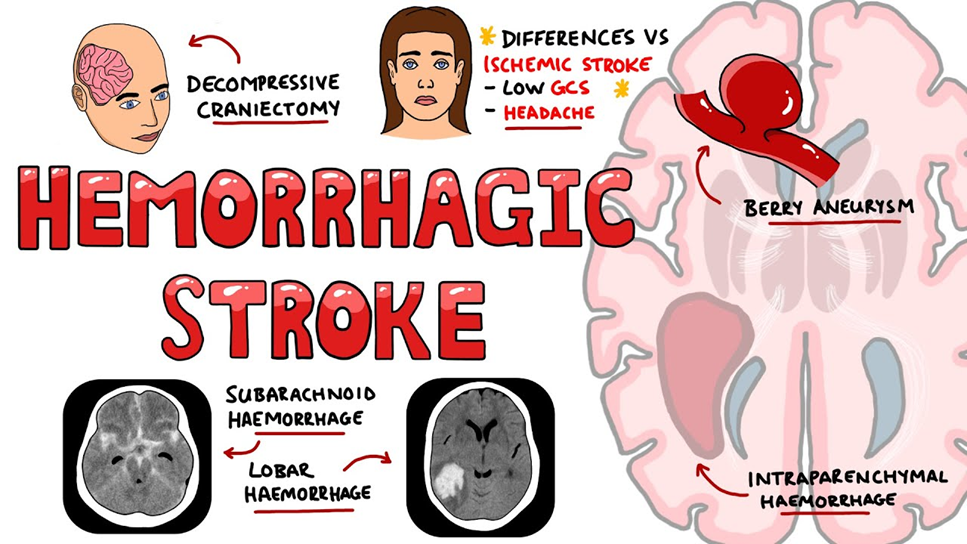
The nurse is caring for a client who had a hemorrhagic stroke. Which assessment finding is the earliest sign of increasing intracranial pressure (ICP) for this client?
A. Severe hypertension
Severe Hypertension Severe hypertension can be a sign of increased intracranial pressure (ICP), but it is not typically the earliest sign. Hypertension often occurs as a compensatory mechanism to maintain cerebral perfusion pressure. While it is a significant finding, it usually follows other more immediate signs of increased ICP.
B. Dilated and nonreactive pupils
Dilated and Nonreactive Pupils Dilated and nonreactive pupils are a late sign of increased ICP and indicate severe brainstem compression. This finding suggests that the pressure has reached a critical level, leading to brain herniation. It is a very serious sign but not the earliest indicator of increasing ICP.
C. Decreased level of consciousness
Decreased Level of Consciousness A decreased level of consciousness is often the earliest and most sensitive indicator of increasing ICP. Changes in consciousness can range from confusion and lethargy to complete unresponsiveness. This symptom reflects the brain’s response to increased pressure and reduced cerebral perfusion, making it a critical early sign that requires immediate attention.
D. Projectile vomiting
Projectile Vomiting Projectile vomiting can occur with increased ICP due to pressure on the vomiting centers in the brainstem. However, it is not typically the earliest sign. Vomiting often accompanies other symptoms such as headache and changes in consciousness.
E. None
None
F. None
None
Full Explanation
Choice A: Severe Hypertension
Severe hypertension can be a sign of increased intracranial pressure (ICP), but it is not typically the earliest sign. Hypertension often occurs as a compensatory mechanism to maintain cerebral perfusion pressure. While it is a significant finding, it usually follows other more immediate signs of increased ICP.
Choice B: Dilated and Nonreactive Pupils
Dilated and nonreactive pupils are a late sign of increased ICP and indicate severe brainstem compression. This finding suggests that the pressure has reached a critical level, leading to brain herniation. It is a very serious sign but not the earliest indicator of increasing ICP.
Choice C: Decreased Level of Consciousness
A decreased level of consciousness is often the earliest and most sensitive indicator of increasing ICP. Changes in consciousness can range from confusion and lethargy to complete unresponsiveness. This symptom reflects the brain’s response to increased pressure and reduced cerebral perfusion, making it a critical early sign that requires immediate attention.
Choice D: Projectile Vomiting
Projectile vomiting can occur with increased ICP due to pressure on the vomiting centers in the brainstem. However, it is not typically the earliest sign. Vomiting often accompanies other symptoms such as headache and changes in consciousness.