Nursing practice questions with comprehensive rationales
NurseDive Free Nursing Practice Question
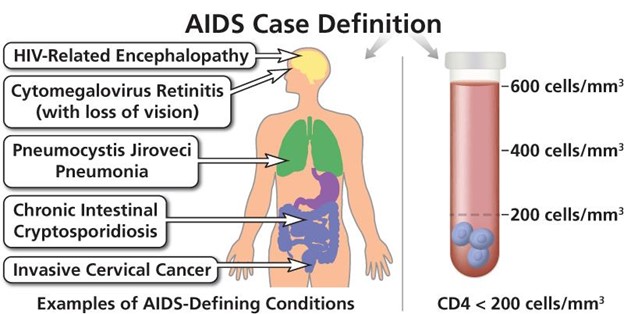
The nurse is participating in a care planning conference for a patient with acquired immunodeficiency syndrome (AIDS). What is the nurse's highest priority in providing care to this client?
A. Instituting measures to prevent infection.
Reason: Instituting measures to prevent infection is the highest priority in providing care to this client, as AIDS impairs the immune system and makes the client susceptible to opportunistic infections that can be life-threatening.
B. Providing emotional support.
Reason: Providing emotional support is an important aspect of providing care to this client, but it is not the highest priority, as it does not address the physical needs of the client.
C. Identifying risk factors related to contracting AIDS.
Reason: Identifying risk factors related to contracting AIDS is not relevant for providing care to this client, as it does not help to improve the current condition or prevent complications.
D. Discussing the cause of AIDS.
Reason: Discussing the cause of AIDS is not essential for providing care to this client, as it does not affect the treatment or prognosis of the disease.
This question is an excerpt from Nurse Dive's nursing test bank - ATI Med Surg Proctored Exam 3. Take the full exam now
Full Explanation
Choice A Reason: Instituting measures to prevent infection is the highest priority in providing care to this client, as AIDS impairs the immune system and makes the client susceptible to opportunistic infections that can be life-threatening.
Choice B Reason: Providing emotional support is an important aspect of providing care to this client, but it is not the highest priority, as it does not address the physical needs of the client.
Choice C Reason: Identifying risk factors related to contracting AIDS is not relevant for providing care to this client, as it does not help to improve the current condition or prevent complications.
Choice D Reason: Discussing the cause of AIDS is not essential for providing care to this client, as it does not affect the treatment or prognosis of the disease.
Similar Questions
I can help you with formatting and editing the text. Here are the edited texts:
Text 1:
A client has an arteriovenous fistula in place for hemodialysis. What should the nurse do to assess the patency of the fistula?
A. Irrigate the fistula with 3 mL of normal saline solution.
Reason: Irrigating the fistula with 3 mL of normal saline solution is not a correct way to assess the patency of the fistula, as it may cause bleeding, infection, or dislodgement of the fistula.
B. Flush the fistula with 1 mL of heparin solution once per shift.
Reason: Flushing the fistula with 1 mL of heparin solution once per shift is not a correct way to assess the patency of the fistula, as it may cause clotting, infection, or allergic reaction.
C. Infuse 50 mL of normal saline once per 24 hours.
Reason: Infusing 50 mL of normal saline once per 24 hours is not a correct way to assess the patency of the fistula, as it may cause fluid overload, hypertension, or edema.
D. Palpate for a vibrating sensation at the fistula site.
Reason: Palpating for a vibrating sensation at the fistula site is a correct way to assess the patency of the fistula, as it indicates that there is adequate blood flow through the fistula. This sensation is also known as a thrill.
Full Explanation
Choice A Reason: Irrigating the fistula with 3 mL of normal saline solution is not a correct way to assess the patency of the fistula, as it may cause bleeding, infection, or dislodgement of the fistula.
Choice B Reason: Flushing the fistula with 1 mL of heparin solution once per shift is not a correct way to assess the patency of the fistula, as it may cause clotting, infection, or allergic reaction.
Choice C Reason: Infusing 50 mL of normal saline once per 24 hours is not a correct way to assess the patency of the fistula, as it may cause fluid overload, hypertension, or edema.
Choice D Reason: Palpating for a vibrating sensation at the fistula site is a correct way to assess the patency of the fistula, as it indicates that there is adequate blood flow through the fistula. This sensation is also known as a thrill.
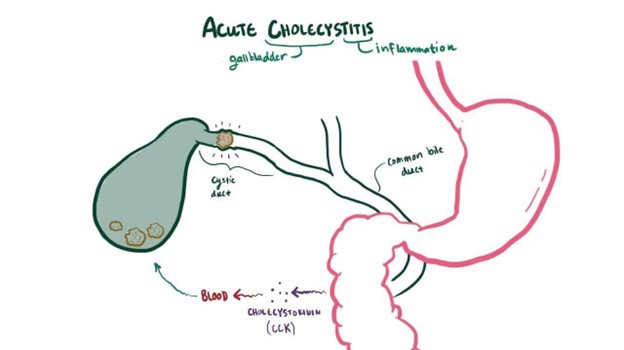
A nurse is reinforcing teaching with a client who has cholecystitis about required dietary modifications. Which of the following food choices should the nurse inform the client to include in his diet?
A. Ice cream
Reason: Ice cream is not a good food choice for a client who has cholecystitis, as it is high in fat and may trigger gallbladder pain or inflammation.
B. Blueberry muffin
Reason: Blueberry muffin is not a good food choice for a client who has cholecystitis, as it may contain butter, oil, or eggs that are high in fat and may aggravate gallbladder symptoms.
C. Macaroni and cheese
Reason: Macaroni and cheese is not a good food choice for a client who has cholecystitis, as it is high in fat and cholesterol and may cause gallstone formation or obstruction.
D. Roast turkey
Reason: Roast turkey is a good food choice for a client who has cholecystitis, as it is low in fat and high in protein and may help to prevent gallbladder attacks.
Full Explanation
Choice A Reason: Ice cream is not a good food choice for a client who has cholecystitis, as it is high in fat and may trigger gallbladder pain or inflammation.
Choice B Reason: Blueberry muffin is not a good food choice for a client who has cholecystitis, as it may contain butter, oil, or eggs that are high in fat and may aggravate gallbladder symptoms.
Choice C Reason: Macaroni and cheese is not a good food choice for a client who has cholecystitis, as it is high in fat and cholesterol and may cause gallstone formation or obstruction.
Choice D Reason: Roast turkey is a good food choice for a client who has cholecystitis, as it is low in fat and high in protein and may help to prevent gallbladder attacks.
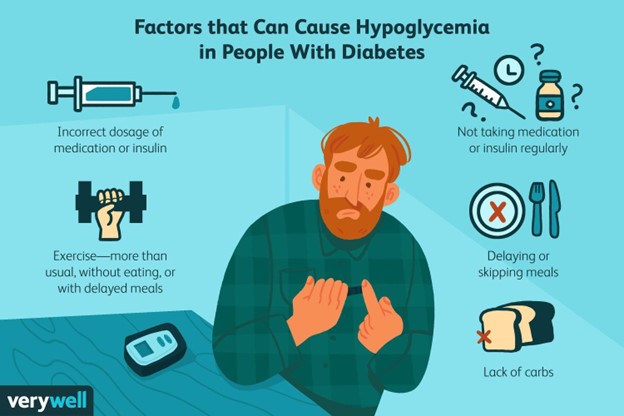
A nurse finds a client who has type 1 diabetes mellitus lying in bed, sweating, tachycardic, and reporting feeling lightheaded and shaky. Which of the following complications should the nurse suspect?
A. Ketoacidosis
Reason: Ketoacidosis is not likely to be the complication that the nurse should suspect, as it is caused by high blood glucose levels and results in symptoms such as nausea, vomiting, abdominal pain, fruity breath, and deep breathing.
B. Hyperglycemia
Reason: Hyperglycemia is not likely to be the complication that the nurse should suspect, as it is caused by high blood glucose levels and results in symptoms such as thirst, polyuria, blurred vision, dry skin, and fatigue.
C. Nephropathy
Reason: Nephropathy is not likely to be the complication that the nurse should suspect, as it is a chronic kidney disease that develops over time due to diabetes and results in symptoms such as proteinuria, edema, hypertension, and anemia.
D. Hypoglycemia
Reason: Hypoglycemia is likely to be the complication that the nurse should suspect, as it is caused by low blood glucose levels and results in symptoms such as sweating, tachycardia, lightheadedness, shakiness, hunger, and confusion.
Full Explanation
Choice A Reason: Ketoacidosis is not likely to be the complication that the nurse should suspect, as it is caused by high blood glucose levels and results in symptoms such as nausea, vomiting, abdominal pain, fruity breath, and deep breathing.
Choice B Reason: Hyperglycemia is not likely to be the complication that the nurse should suspect, as it is caused by high blood glucose levels and results in symptoms such as thirst, polyuria, blurred vision, dry skin, and fatigue.
Choice C Reason: Nephropathy is not likely to be the complication that the nurse should suspect, as it is a chronic kidney disease that develops over time due to diabetes and results in symptoms such as proteinuria, edema, hypertension, and anemia.
Choice D Reason: Hypoglycemia is likely to be the complication that the nurse should suspect, as it is caused by low blood glucose levels and results in symptoms such as sweating, tachycardia, lightheadedness, shakiness, hunger, and confusion.