
Nursing practice questions with comprehensive rationales
NurseDive Free Nursing Practice Question
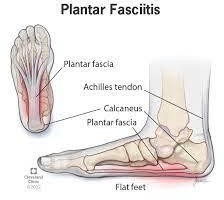
The nurse is performing an assessment of a client with possible plantar fasciitis in the right foot. What assessment finding would the nurse expect in the right foot?
A. Severe pain in the arch of the foot
Plantar fasciitis typically presents with severe pain in the arch of the foot, especially during the first steps in the morning or after prolonged periods of rest.
B. Multiple toe deformities
Multiple toe deformities are not typically associated with plantar fasciitis.
C. Redness and severe swelling
Redness and severe swelling are not typical findings in plantar fasciitis.
D. Numbness and paresthesia
Numbness and paresthesia are not common findings in plantar fasciitis.
This question is an excerpt from Nurse Dive's nursing test bank - Interprofessional Care of the Client and Family Across the Lifespan II Proctored Exam. Take the full exam now
Full Explanation
Choice A rationale: Plantar fasciitis typically presents with severe pain in the arch of the foot, especially during the first steps in the morning or after prolonged periods of rest.
Choice B rationale: Multiple toe deformities are not typically associated with plantar fasciitis.
Choice C rationale: Redness and severe swelling are not typical findings in plantar fasciitis.
Choice D rationale: Numbness and paresthesia are not common findings in plantar fasciitis.
 |
Similar Questions
The nurse is caring for a client who is due for a laparoscopic fundoplication. On reviewing the medical history, the nurse notes the client complains of dysphagia, substernal burning, and belching.
The endoscopy and barium test reports are yet to be received. Which condition can the nurse expect in the client?
A. Gastritis
Dysphagia, substernal burning, and belching are symptoms often associated with hiatal hernia.
B. Stomach cancer
While substernal burning can be a symptom of stomach-related issues, hiatal hernia is more directly linked to the symptoms described.
C. Schatzki ring
Schatzki ring might present with dysphagia, but it's less likely given the overall symptoms described.
D. Hiatal hernia
Symptoms of dysphagia and substernal burning can be indicative of a hiatal hernia, especially when considered together.
Full Explanation
Choice A rationale: Dysphagia, substernal burning, and belching are symptoms often associated with hiatal hernia.
Choice B rationale: While substernal burning can be a symptom of stomach-related issues, hiatal hernia is more directly linked to the symptoms described.
Choice C rationale: Schatzki ring might present with dysphagia, but it's less likely given the overall symptoms described.
Choice D rationale: Symptoms of dysphagia and substernal burning can be indicative of a hiatal hernia, especially when considered together.
The nurse is concerned about the risks of hypoxemia and metabolic acidosis in a client who is in shock. What finding should the nurse analyze for evidence of hypoxemia and metabolic acidosis in a client with shock?
A. arterial blood gas (ABG) findings
Arterial blood gas (ABG) findings provide direct information about oxygenation and acid-base balance in the blood, which can indicate hypoxemia and metabolic acidosis.
B. oxygen saturation level
Oxygen saturation level provides information about oxygen saturation in the blood but doesn't give a complete assessment of acid-base balance or other gases in the blood.
C. white blood cell differential
White blood cell differential assesses different types of white blood cells and is not directly related to evaluating hypoxemia or metabolic acidosis.
D. red blood cells (RBCs) and hemoglobin count findings
Red blood cells (RBCs) and hemoglobin count findings are important but do not directly assess hypoxemia or metabolic acidosis.
Full Explanation
Choice A rationale: Arterial blood gas (ABG) findings provide direct information about oxygenation and acid-base balance in the blood, which can indicate hypoxemia and metabolic acidosis.
Choice B rationale: Oxygen saturation level provides information about oxygen saturation in the blood but doesn't give a complete assessment of acid-base balance or other gases in the blood.
Choice C rationale: White blood cell differential assesses different types of white blood cells and is not directly related to evaluating hypoxemia or metabolic acidosis.
Choice D rationale: Red blood cells (RBCs) and hemoglobin count findings are important but do not directly assess hypoxemia or metabolic acidosis.
A nurse assesses a group of clients who have rheumatoid arthritis (RA). Which client would the nurse see first?
A. Client with a worse joint deformity since the last visit
While joint deformities are concerning in RA, the immediate attention would be required for an acute, red, hot, swollen joint which could indicate an active inflammatory process.
B. Client with a red, hot, swollen right wrist
Redness, heat, and swelling in a joint are signs of an acute flare in rheumatoid arthritis and might require urgent intervention to manage the inflammation.
C. Client who has a puffy-looking area behind the knee
Puffy-looking areas behind the knee might indicate joint involvement but might not require immediate attention as much as an acutely inflamed joint.
D. Client who reports jaw pain when eating
Jaw pain while eating can be a symptom of TMJ involvement in RA, but an acutely inflamed joint would generally take precedence.
Full Explanation
Choice A rationale: While joint deformities are concerning in RA, the immediate attention would be required for an acute, red, hot, swollen joint which could indicate an active inflammatory process.
Choice B rationale: Redness, heat, and swelling in a joint are signs of an acute flare in rheumatoid arthritis and might require urgent intervention to manage the inflammation.
Choice C rationale: Puffy-looking areas behind the knee might indicate joint involvement but might not require immediate attention as much as an acutely inflamed joint.
Choice D rationale: Jaw pain while eating can be a symptom of TMJ involvement in RA, but an acutely inflamed joint would generally take precedence.