
Nursing practice questions with comprehensive rationales
NurseDive Free Nursing Practice Question
The nurse is preparing a 4-day-old infant with a serum bilirubin level of 19 mg/dL (325 µmol/L) for discharge from the hospital. When teaching the parents about home phototherapy, which instruction should the nurse include in the discharge teaching plan?
Total Bilirubin Reference Range: Newborn: 0.1 to 10.5 mg/dL (1.7 to 180 µmol/L)
A. Feed the infant every 4 hours.
Feeding the infant every 4 hours is not a specific instruction for home phototherapy, which is a treatment that uses blue light to break down excess bilirubin in the skin and blood. However, feeding the infant frequently is important to promote hydration and elimination of bilirubin through urine and stool.
B. Perform diaper changes under the light.
Performing diaper changes under the light is not a recommended instruction for home phototherapy, which is a treatment that uses blue light to break down excess bilirubin in the skin and blood. The nurse should instruct the parents to turn off the light and cover the infant's eyes with protective goggles or patches during diaper changes to prevent eye damage or irritation.
C. Reposition the infant every 2 hours.
This is the correct answer because repositioning the infant every 2 hours is an essential instruction for home phototherapy, which is a treatment that uses blue light to break down excess bilirubin in the skin and blood. The nurse should instruct the parents to rotate the infant's position every 2 hours to expose different areas of the skin to the light and prevent pressure ulcers or skin breakdown.
D. Cover with a receiving blanket.
Covering with a receiving blanket is not an appropriate instruction for home phototherapy, which is a treatment that uses blue light to break down excess bilirubin in the skin and blood. The nurse should instruct the parents to keep the infant unclothed except for a diaper and eye protection during phototherapy to maximize skin exposure to the light and increase its effectiveness.
This question is an excerpt from Nurse Dive's nursing test bank - HESI Exit II Proctored Exam. Take the full exam now
Full Explanation
Choice A reason: Feeding the infant every 4 hours is not a specific instruction for home phototherapy, which is a treatment that uses blue light to break down excess bilirubin in the skin and blood. However, feeding the infant frequently is important to promote hydration and elimination of bilirubin through urine and stool.
Choice B reason: Performing diaper changes under the light is not a recommended instruction for home phototherapy, which is a treatment that uses blue light to break down excess bilirubin in the skin and blood. The nurse should instruct the parents to turn off the light and cover the infant's eyes with protective goggles or patches during diaper changes to prevent eye damage or irritation.
Choice D reason: Covering with a receiving blanket is not an appropriate instruction for home phototherapy, which is a treatment that uses blue light to break down excess bilirubin in the skin and blood. The nurse should instruct the parents to keep the infant unclothed except for a diaper and eye protection during phototherapy to maximize skin exposure to the light and increase its effectiveness.

Similar Questions
The nurse is educating a client about essential hypertension prevention. Which information should the nurse provide? (Select all that apply.)
A. Alcohol consumption will not produce vascular changes.
Alcohol consumption will not produce vascular changes is incorrect information. Alcohol consumption can increase blood pressure by causing vasoconstriction, fluid retention, and interference with antihypertensive medications. The nurse should advise the client to limit alcohol intake to no more than one drink per day for women and two drinks per day for men.
B. Weight management is promoted by taking daily walks for thirty minutes.
Weight management is promoted by taking daily walks for thirty minutes is correct information. Weight management can lower blood pressure by reducing body fat, improving blood circulation, and enhancing insulin sensitivity. The nurse should advise the client to maintain a healthy weight and engage in moderate physical activity for at least 150 minutes per week.
C. Salt substitutes can help with maintaining a healthy diet.
Salt substitutes can help with maintaining a healthy diet is correct information. Salt substitutes can reduce sodium intake by replacing sodium chloride with potassium chloride or other minerals. The nurse should advise the client to use salt substitutes sparingly and consult with their healthcare provider before using them if they have kidney disease or take certain medications that affect potassium levels.
D. Blood pressure readings should be taken at noontime.
Blood pressure readings should be taken at noontime is incorrect information. Blood pressure readings should be taken at different times of the day, preferably in the morning and evening, to monitor fluctuations and trends. The nurse should advise the client to use a home blood pressure monitor that is accurate and calibrated and follow proper techniques for measuring blood pressure.
E. Sodium intake can be regulated by limiting canned foods in the diet.
Sodium intake can be regulated by limiting canned foods in the diet is correct information. Sodium intake can increase blood pressure by causing fluid retention and increasing vascular resistance. The nurse should advise the client to limit sodium intake to no more than 2300 mg per day and avoid processed foods that are high in sodium, such as canned foods, soups, sauces, and snacks.
F. Uncontrolled hypertension can lead to renal damage.
Uncontrolled hypertension can lead to renal damage is correct information. Uncontrolled hypertension can damage the blood vessels in the kidneys, leading to reduced kidney function and chronic kidney disease. The nurse should advise the client to follow their prescribed treatment plan and monitor their blood pressure regularly.
Full Explanation
Choice A reason: Alcohol consumption will not produce vascular changes is incorrect information. Alcohol consumption can increase blood pressure by causing vasoconstriction, fluid retention, and interference with antihypertensive medications. The nurse should advise the client to limit alcohol intake to no more than one drink per day for women and two drinks per day for men.
Choice B reason: Weight management is promoted by taking daily walks for thirty minutes is correct information. Weight management can lower blood pressure by reducing body fat, improving blood circulation, and enhancing insulin sensitivity. The nurse should advise the client to maintain a healthy weight and engage in moderate physical activity for at least 150 minutes per week.
Choice C reason: Salt substitutes can help with maintaining a healthy diet is correct information. Salt substitutes can reduce sodium intake by replacing sodium chloride with potassium chloride or other minerals. The nurse should advise the client to use salt substitutes sparingly and consult with their healthcare provider before using them if they have kidney disease or take certain medications that affect potassium levels.
Choice D reason: Blood pressure readings should be taken at noontime is incorrect information. Blood pressure readings should be taken at different times of the day, preferably in the morning and evening, to monitor fluctuations and trends. The nurse should advise the client to use a home blood pressure monitor that is accurate and calibrated and follow proper techniques for measuring blood pressure.
Choice E reason: Sodium intake can be regulated by limiting canned foods in the diet is correct information. Sodium intake can increase blood pressure by causing fluid retention and increasing vascular resistance. The nurse should advise the client to limit sodium intake to no more than 2300 mg per day and avoid processed foods that are high in sodium, such as canned foods, soups, sauces, and snacks.
Choice F reason: Uncontrolled hypertension can lead to renal damage is correct information. Uncontrolled hypertension can damage the blood vessels in the kidneys, leading to reduced kidney function and chronic kidney disease. The nurse should advise the client to follow their prescribed treatment plan and monitor their blood pressure regularly.
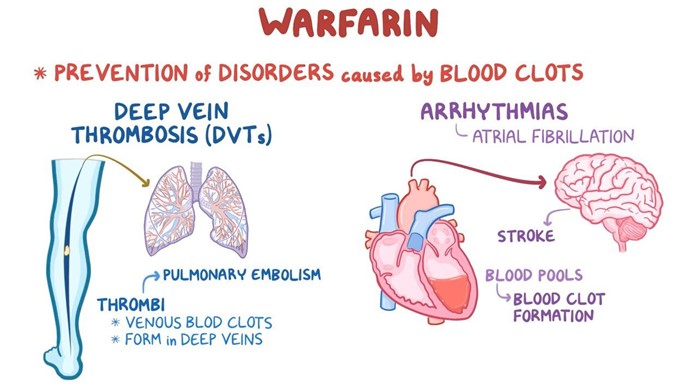
A client is being discharged with a prescription for warfarin. Which instruction should the nurse provide this client regarding diet?
A. Increase the intake of dark green leafy vegetables while taking warfarin.
Increasing the intake of dark green leafy vegetables while taking warfarin is not a good instruction because it can decrease the effectiveness of warfarin. Dark green leafy vegetables are rich in vitamin K, which is a coagulation factor that counteracts the anticoagulant effect of warfarin.
B. Eat two servings of dark green leafy vegetables daily and continue for 30 days after warfarin therapy is completed.
Eating two servings of dark green leafy vegetables daily and continuing for 30 days after warfarin therapy is completed is not a good instruction because it can cause bleeding complications. Dark green leafy vegetables are rich in vitamin K, which is a coagulation factor that counteracts the anticoagulant effect of warfarin. Stopping warfarin while continuing to eat high amounts of vitamin K can increase the risk of clot formation and thromboembolism.
C. Eat approximately the same amount of leafy green vegetables daily so the amount of vitamin K consumed is consistent.
This is the correct answer because eating approximately the same amount of leafy green vegetables daily so the amount of vitamin K consumed is consistent is a good instruction because it can help maintain a stable therapeutic level of warfarin. Dark green leafy vegetables are rich in vitamin K, which is a coagulation factor that counteracts the anticoagulant effect of warfarin. Keeping a consistent intake of vitamin K can help avoid fluctuations in warfarin's effect and prevent bleeding or clotting episodes.
D. Avoid eating any foods that contain any vitamin K because it is an antagonist of warfarin.
Avoiding eating any foods that contain any vitamin K because it is an antagonist of warfarin is not a good instruction because it can cause bleeding complications. Dark green leafy vegetables are rich in vitamin K, which is a coagulation factor that counteracts the anticoagulant effect of warfarin. Eliminating vitamin K from the diet can increase the sensitivity to warfarin and cause excessive bleeding and bruising.
Full Explanation
Choice A reason: Increasing the intake of dark green leafy vegetables while taking warfarin is not a good instruction because it can decrease the effectiveness of warfarin. Dark green leafy vegetables are rich in vitamin K, which is a coagulation factor that counteracts the anticoagulant effect of warfarin.
Choice B reason: Eating two servings of dark green leafy vegetables daily and continuing for 30 days after warfarin therapy is completed is not a good instruction because it can cause bleeding complications. Dark green leafy vegetables are rich in vitamin K, which is a coagulation factor that counteracts the anticoagulant effect of warfarin. Stopping warfarin while continuing to eat high amounts of vitamin K can increase the risk of clot formation and thromboembolism.
Choice D reason: Avoiding eating any foods that contain any vitamin K because it is an antagonist of warfarin is not a good instruction because it can cause bleeding complications. Dark green leafy vegetables are rich in vitamin K, which is a coagulation factor that counteracts the anticoagulant effect of warfarin. Eliminating vitamin K from the diet can increase the sensitivity to warfarin and cause excessive bleeding and bruising.
A nurse is performing an admission assessment for a male client scheduled for the removal of an internal fixation device from a previous ankle fracture. The client informs the nurse that he was recently treated with intravenous vancomycin for a methicillin-resistant Staphylococcus aureus (MRSA) wound infection. Which of the following actions should the nurse take? (Select all that apply.)
A. Continue to monitor the client for signs of an infection.
Choice A reason: This is a correct answer because continuing to monitor the client for signs of an infection is important to detect any recurrence or complication of MRSA infection. MRSA is a type of bacteria that is resistant to many antibiotics and can cause serious skin, soft tissue, bone, joint, or bloodstream infections. The nurse should assess the client's vital signs, wound appearance, pain level, and laboratory results.
B. Call the healthcare provider for a prescription for linezolid.
Choice B reason: This is not a correct answer because calling the healthcare provider for a prescription for linezolid is not necessary unless the client has an active MRSA infection that requires treatment. Linezolid is an antibiotic that can be used to treat MRSA infections, but it has potential side effects and interactions that need to be considered. The nurse should not prescribe or administer antibiotics without a valid order.
C. Collect multiple sets of blood cultures for MRSA screening.
Choice C reason: This is a correct answer because collecting multiple sets of blood cultures for MRSA screening is important to identify any asymptomatic bacteremia or sepsis that could result from MRSA infection. MRSA can enter the bloodstream through wounds, catheters, or surgical sites and cause life-threatening complications such as endocarditis, osteomyelitis, or pneumonia. The nurse should obtain blood samples from different sites and times and send them to the laboratory for analysis.
D. Place the client on contact transmission precautions.
Choice D reason: This is a correct answer because placing the client on contact transmission precautions is important to prevent the spread of MRSA to other clients, staff, or visitors. Contact transmission precautions include wearing gloves and gowns when entering the client's room, using dedicated or disposable equipment, and performing hand hygiene before and after contact with the client or their environment.
E. Obtaining a sputum specimen for culture and sensitivity
This is not a correct answer because obtaining a sputum specimen for culture and sensitivity is not relevant to the client's history of MRSA wound infection. Sputum culture and sensitivity is a test that can be used to diagnose respiratory infections caused by bacteria, fungi, or viruses. The nurse should only obtain a sputum specimen if the client has signs or symptoms of a respiratory infection, such as cough, fever, chest pain, or dyspnea.
Full Explanation
Choice A reason: This is a correct answer because continuing to monitor the client for signs of an infection is important to detect any recurrence or complication of MRSA infection. MRSA is a type of bacteria that is resistant to many antibiotics and can cause serious skin, soft tissue, bone, joint, or bloodstream infections. The nurse should assess the client's vital signs, wound appearance, pain level, and laboratory results.
Choice B reason: This is not a correct answer because calling the healthcare provider for a prescription for linezolid is not necessary unless the client has an active MRSA infection that requires treatment. Linezolid is an antibiotic that can be used to treat MRSA infections, but it has potential side effects and interactions that need to be considered. The nurse should not prescribe or administer antibiotics without a valid order.
Choice C reason: This is a correct answer because collecting multiple sets of blood cultures for MRSA screening is important to identify any asymptomatic bacteremia or sepsis that could result from MRSA infection. MRSA can enter the bloodstream through wounds, catheters, or surgical sites and cause life-threatening complications such as endocarditis, osteomyelitis, or pneumonia. The nurse should obtain blood samples from different sites and times and send them to the laboratory for analysis.
Choice D reason: This is a correct answer because placing the client on contact transmission precautions is important to prevent the spread of MRSA to other clients, staff, or visitors. Contact transmission precautions include wearing gloves and gowns when entering the client's room, using dedicated or disposable equipment, and performing hand hygiene before and after contact with the client or their environment.
Choice E reason: This is not a correct answer because obtaining a sputum specimen for culture and sensitivity is not relevant to the client's history of MRSA wound infection. Sputum culture and sensitivity is a test that can be used to diagnose respiratory infections caused by bacteria, fungi, or viruses. The nurse should only obtain a sputum specimen if the client has signs or symptoms of a respiratory infection, such as cough, fever, chest pain, or dyspnea.