
Nursing practice questions with comprehensive rationales
NurseDive Free Nursing Practice Question
The nurse is preparing a community presentation about hepatitis B virus (HBV). Which information should be included in the teaching session?
A. Pregnant women may pass HBV to the fetus
HBV can be transmitted from an infected mother to her child during childbirth.The importance of screening and vaccination should be emphasized.
B. Maintain safe food-handling procedures
While important for general health, this is not specifically related to the transmission of HBV, which is primarily spread through blood and bodily fluids.
C. Symptoms include diarrhea and cramping
These are not typical symptoms of HBV; common symptoms include jaundice, fatigue, and abdominal pain.
D. History of gallstones is a risk factor
History of gallstones is not a risk factor for HBV.
This question is an excerpt from Nurse Dive's nursing test bank - Ati Med Surg N241 Proctored Exam. Take the full exam now
Full Explanation
A) HBV can be transmitted from an infected mother to her child during childbirth.
The importance of screening and vaccination should be emphasized.
B) While important for general health, this is not specifically related to the transmission of HBV, which is primarily spread through blood and bodily fluids.
C) These are not typical symptoms of HBV; common symptoms include jaundice, fatigue, and abdominal pain.
D) History of gallstones is not a risk factor for HBV.
Similar Questions
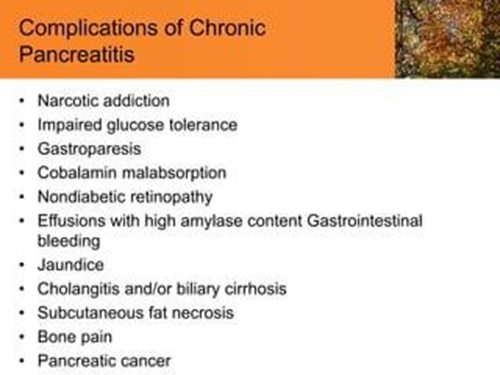
What does the nurse identify as a potential complication of chronic pancreatitis?
A. Diabetes mellitus
Chronic damage to the pancreas can lead to diabetes mellitus due to the destruction of insulin-producing cells.
B. Jaundice
Jaundice is typically associated with liver disease, not directly linked with chronic pancreatitis.
C. Ascites
Ascites is a complication of liver disease, not typically a direct result of chronic pancreatitis.
D. Steatorrhea
While steatorrhea is a symptom of chronic pancreatitis due to malabsorption of fats, it is not a complication but rather a direct effect of the enzyme insufficiency.
Full Explanation
A) Chronic damage to the pancreas can lead to diabetes mellitus due to the destruction of insulin-producing cells.
B) Jaundice is typically associated with liver disease, not directly linked with chronic pancreatitis.
C) Ascites is a complication of liver disease, not typically a direct result of chronic pancreatitis.
D) While steatorrhea is a symptom of chronic pancreatitis due to malabsorption of fats, it is not a complication but rather a direct effect of the enzyme insufficiency.
A client with cirrhosis is scheduled to receive a third dose of lactulose (Cephulac) at 1800. Which current finding would cause the nurse to question administering this medication?
A. Breath with fecal odor
Breath with fecal odor could indicate hepatic encephalopathy, for which lactulose is indicated.
B. Increasing confusion
Increasing confusion is a symptom of hepatic encephalopathy suggests a need for lactulose.
C. Serum ammonia level 72 mcg/dL (15-45 mcg/dL)
Elevated ammonia levels indicate hepatic encephalopathy hence the need for lactulose.
D. Diarrhea
If the client already has diarrhea, additional doses of lactulose (which acts as a laxative) could exacerbate this condition and might need to be adjusted or halted based on clinical judgment.
Full Explanation
A) Breath with fecal odor could indicate hepatic encephalopathy, for which lactulose is indicated.
B) Increasing confusion is a symptom of hepatic encephalopathy suggests a need for lactulose.
C) Elevated ammonia levels indicate hepatic encephalopathy hence the need for lactulose.
D) If the client already has diarrhea, additional doses of lactulose (which acts as a laxative) could exacerbate this condition and might need to be adjusted or halted based on clinical judgment.
Which question would the nurse ask to identify a risk factor for liver disease?
A. “Do you consume a high carbohydrate diet?"
While a high carbohydrate diet can contribute to fatty liver disease, it is less direct and specific compared to other risk factors.
B. "Do you have a history of heart disease?"
Heart disease is not directly linked to liver disease risk.
C. "Have you had a flu shot this year?"
Having a flu is unrelated to liver disease risk.
D. "Have you ever used IV drugs?"
Intravenous drug use is a known risk factor for hepatitis B and C, both of which can lead to liver disease.
Full Explanation
A) While a high carbohydrate diet can contribute to fatty liver disease, it is less direct and specific compared to other risk factors.
B) Heart disease is not directly linked to liver disease risk.
C) Having a flu is unrelated to liver disease risk.
D) Intravenous drug use is a known risk factor for hepatitis B and C, both of which can lead to liver disease.