Nursing practice questions with comprehensive rationales
NurseDive Free Nursing Practice Question
The nurse is preparing a medication for a client and observes the date of expiration on the vial occurred 2 months ago. Which of the following actions should the nurse take?
A. Return the medication to the pharmacy.
Returning the medication to the pharmacy is the correct action. Medications past their expiration date may not be safe or effective, and the pharmacy can provide a replacement.
B. Notify the provider.
Notifying the provider is not necessary in this situation. The nurse should handle the expired medication according to protocol, which typically involves returning it to the pharmacy.
C. Give the medication.
Giving the medication is incorrect. Administering expired medication can be unsafe and ineffective.
D. Discard the medication.
Discarding the medication is not the best option. The pharmacy should handle the disposal of expired medications to ensure proper procedures are followed.
This question is an excerpt from Nurse Dive's nursing test bank - ATI Custom Pharmacology Proctored Exam 2. Take the full exam now
Full Explanation
The correct answer is choice a. Return the medication to the pharmacy.
Choice A rationale:
Returning the medication to the pharmacy is the correct action. Medications past their expiration date may not be safe or effective, and the pharmacy can provide a replacement.
Choice B rationale:
Notifying the provider is not necessary in this situation. The nurse should handle the expired medication according to protocol, which typically involves returning it to the pharmacy.
Choice C rationale:
Giving the medication is incorrect. Administering expired medication can be unsafe and ineffective.
Choice D rationale:
Discarding the medication is not the best option. The pharmacy should handle the disposal of expired medications to ensure proper procedures are followed.
Similar Questions
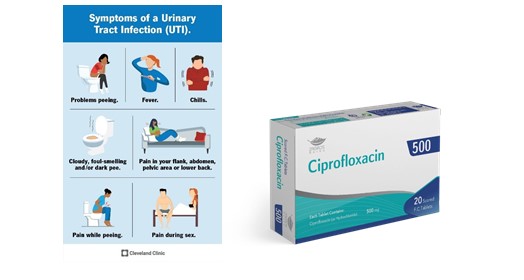
A nurse is teaching a client who has a urinary tract infection (UTI) and is taking ciprofloxacin. Which of the following instructions should the nurse give to the client?
A. This medication can cause photophobia, so be sure to wear sunglasses outdoors.
B. Limit your daily fluid intake while taking this medication.
C. If the medicine causes an upset stomach, take an antacid at the same time
D. You should report any tendon discomfort you experience while taking this medication.
Ciprofloxacin is a fluoroquinolone antibiotic that can cause tendon problems 1. The nurse should instruct the client to report any tendon discomfort while taking this medication. '
Full Explanation
Ciprofloxacin is a fluoroquinolone antibiotic that can cause tendon problems 1. The nurse should instruct the client to report any tendon discomfort while taking this medication.
'
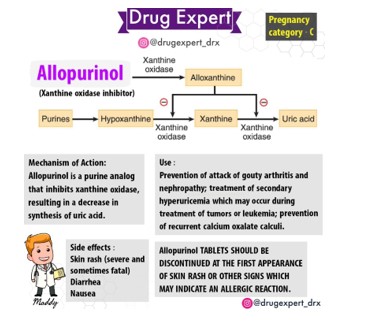
A nurse is providing teaching to a client who has gout and a new prescription for allopurinol. Which of the following statements by the client indicates an understanding of the teaching?
A. If I get a fever while taking this medication, I will take some aspirin.
B. I need to increase my fluid intake while taking this medication.
Allopurinol is a medication used to decrease levels of uric acid in people with gout, or kidney stones, or who are receiving certain types of chemotherapy1. Increasing fluid intake while taking this medication can help prevent the formation of kidney stones.
C. I should take this medicine on an empty stomach.
D. If I get a rash from this medication, I will take my usual antihistamine.
Full Explanation
Allopurinol is a medication used to decrease levels of uric acid in people with gout, or kidney stones, or who are receiving certain types of chemotherapy1. Increasing fluid intake while taking this medication can help prevent the formation of kidney stones.
A nurse is administering timolol eye drops to a client who has glaucoma. Which of the following actions should the nurse take?
A. Protect the distal portion of the eyedropper using clean technique.
Sterile technique should ideally be used when handling the distal portion of the eyedropper to prevent introducing pathogens into the eye, as the eye is a sensitive area susceptible to infection.
B. Wipe the eye from the outer canthus to the inner canthus before instillation.
When cleaning the eye, it is recommended to wipe from the inner canthus to the outer canthus to avoid bringing contaminants from the outer area closer to the tear duct, which reduces the risk of infection.
C. Apply pressure to the bridge of the nose after administration.
Applying pressure to the bridge of the nose is ineffective for preventing systemic absorption of the medication. Instead, pressure should be applied to the inner canthus (the nasolacrimal duct area) for about 1-2 minutes after instillation.
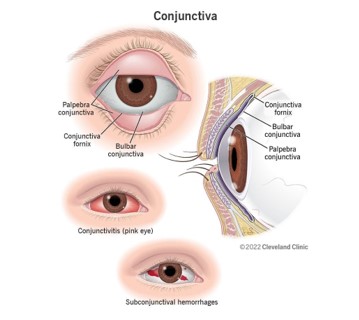
D. Drop prescribed amount of medication into the conjunctival sac.
The correct technique for administering eye drops involves placing the prescribed number of drops into the conjunctival sac, not directly onto the cornea, as this can cause irritation and discomfort. Administering drops into the conjunctival sac allows for better absorption of the medication.
Full Explanation
A. Sterile technique should ideally be used when handling the distal portion of the eyedropper to prevent introducing pathogens into the eye, as the eye is a sensitive area susceptible to infection.
B. When cleaning the eye, it is recommended to wipe from the inner canthus to the outer canthus to avoid bringing contaminants from the outer area closer to the tear duct, which reduces the risk of infection.
C. Applying pressure to the bridge of the nose is ineffective for preventing systemic absorption of the medication. Instead, pressure should be applied to the inner canthus (the nasolacrimal duct area) for about 1-2 minutes after instillation.
D. The correct technique for administering eye drops involves placing the prescribed number of drops into the conjunctival sac, not directly onto the cornea, as this can cause irritation and discomfort. Administering drops into the conjunctival sac allows for better absorption of the medication.