
Nursing practice questions with comprehensive rationales
NurseDive Free Nursing Practice Question
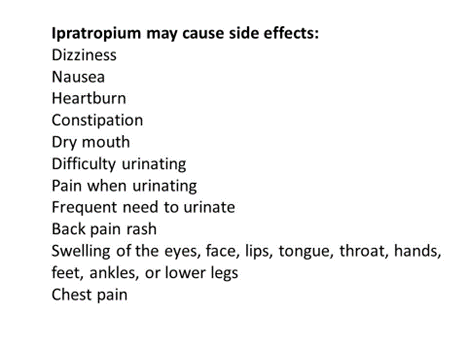
The nurse is providing instruction about ipratropium (Atrovent) to a patient with COPD. Which is a common adverse effect that tends to resolve with therapy?
A. Dry mouth
Dry mouthDry mouth is a common adverse effect of ipratropium (Atrovent) due to its anticholinergic properties. Anticholinergic medications can inhibit saliva production, leading to a sensation of dryness in the mouth. While uncomfortable, dry mouth tends to improve over time as the body adjusts to the medication. Patients can manage dry mouth by increasing fluid intake and practicing good oral hygiene.
B. Anxiety
AnxietyAnxiety is not a common adverse effect of ipratropium (Atrovent). While some individuals may experience anxiety as a side effect of certain medications, it is not typically associated with ipratropium. If a patient experiences anxiety while taking ipratropium, it is essential to assess whether it may be related to other factors or medications and to consult a healthcare provider for appropriate management.
C. Tachycardia
Tachycardia Tachycardia (rapid heart rate) is not a common adverse effect of ipratropium (Atrovent). While ipratropium is an anticholinergic medication that can affect heart rate in some individuals, tachycardia is not typically reported as a common side effect. However, patients should be monitored for changes in heart rate and other cardiovascular effects while taking ipratropium, especially if they have pre-existing cardiac conditions.
D. Urine retention
Urine retentionUrinary retention is a potential adverse effect of ipratropium (Atrovent) due to its anticholinergic properties. Anticholinergic medications can relax the smooth muscle of the bladder, leading to difficulty emptying the bladder completely. However, urinary retention is less common with ipratropium compared to other anticholinergic medications, such as those used to treat overactive bladder. Patients experiencing urinary retention while taking ipratropium should consult their healthcare provider for further evaluation and management.
This question is an excerpt from Nurse Dive's nursing test bank - Ati Med Surg Respiratory Test Polizzoti Proctored Exam. Take the full exam now
Full Explanation
A. Dry mouth
Dry mouth is a common adverse effect of ipratropium (Atrovent) due to its anticholinergic properties. Anticholinergic medications can inhibit saliva production, leading to a sensation of dryness in the mouth. While uncomfortable, dry mouth tends to improve over time as the body adjusts to the medication. Patients can manage dry mouth by increasing fluid intake and practicing good oral hygiene.
B. Anxiety
Anxiety is not a common adverse effect of ipratropium (Atrovent). While some individuals may experience anxiety as a side effect of certain medications, it is not typically associated with ipratropium. If a patient experiences anxiety while taking ipratropium, it is essential to assess whether it may be related to other factors or medications and to consult a healthcare provider for appropriate management.
C. Tachycardia
Tachycardia (rapid heart rate) is not a common adverse effect of ipratropium (Atrovent). While ipratropium is an anticholinergic medication that can affect heart rate in some individuals, tachycardia is not typically reported as a common side effect. However, patients should be monitored for changes in heart rate and other cardiovascular effects while taking ipratropium, especially if they have pre-existing cardiac conditions.
D. Urine retention
Urinary retention is a potential adverse effect of ipratropium (Atrovent) due to its anticholinergic properties. Anticholinergic medications can relax the smooth muscle of the bladder, leading to difficulty emptying the bladder completely. However, urinary retention is less common with ipratropium compared to other anticholinergic medications, such as those used to treat overactive bladder. Patients experiencing urinary retention while taking ipratropium should consult their healthcare provider for further evaluation and management.
Similar Questions
Which nursing assessment indicates a positive reading of a tuberculin (TB) skin test?
A. 1 day after injection with a 10-mm area of redness and swelling
1 day after injection with a 10-mm area of redness and swelling:This may suggest a positive reading, but induration size is the primary criterion for interpretation, not just redness and swelling.
B. 2 days after injection with a 5-mm area of redness and swelling
2 days after injection with a 5-mm area of redness and swelling:Similar to option A, a 5-mm area of redness and swelling alone does not definitively indicate a positive TB skin test. Again, without information on the size of the induration, we cannot determine if this reading is positive.
C. 4 days after injection with a 3-mm area of redness and swelling
4 days after injection with a 3-mm area of redness and swelling: Once more, a 3-mm area of redness and swelling alone does not definitively indicate a positive TB skin test. As with the previous options, the size of the induration is the critical factor for interpretation.
D. 5 days after injection with a 2-mm area of redness and swelling
5 days after injection with a 2-mm area of redness and swelling:As with the other options, a 2-mm area of redness and swelling alone does not definitively indicate a positive TB skin test. The presence and size of induration are essential for accurate interpretation.
Full Explanation
A. 1 day after injection with a 10-mm area of redness and swelling:
This may suggest a positive reading, but induration size is the primary criterion for interpretation, not just redness and swelling.
B. 2 days after injection with a 5-mm area of redness and swelling:
Similar to option A, a 5-mm area of redness and swelling alone does not definitively indicate a positive TB skin test. Again, without information on the size of the induration, we cannot determine if this reading is positive.
C. 4 days after injection with a 3-mm area of redness and swelling:
Once more, a 3-mm area of redness and swelling alone does not definitively indicate a positive TB skin test. As with the previous options, the size of the induration is the critical factor for interpretation.
D. 5 days after injection with a 2-mm area of redness and swelling:
As with the other options, a 2-mm area of redness and swelling alone does not definitively indicate a positive TB skin test. The presence and size of induration are essential for accurate interpretation.

What nursing intervention enhances the nutritional status of a patient with COPD?
A. Offer small frequent meals
Offer small frequent mealsOffering small, frequent meals is beneficial for patients with COPD because it helps overcome the challenges associated with dyspnea and fatigue. Large meals can cause discomfort and increase the effort required for breathing, which can exacerbate respiratory symptoms. By providing smaller, more manageable portions of food throughout the day, patients with COPD can maintain their energy levels and meet their nutritional needs without experiencing excessive respiratory distress.
B. Encourage extra liquids with meals
Encourage extra liquids with mealsEncouraging extra liquids with meals can help prevent dehydration and thin respiratory secretions, making it easier for patients with COPD to manage their respiratory symptoms. However, excessive fluid intake can also lead to feelings of fullness and discomfort, especially in patients with compromised lung function. Therefore, while it's important to encourage adequate hydration, particularly during meals, it's also essential to balance fluid intake to avoid exacerbating respiratory symptoms.
C. Assist the patient to exercise before meals
Assist the patient to exercise before meals While regular exercise is beneficial for overall health and can help improve respiratory function in patients with COPD, exercising immediately before meals may not be practical or advisable for all patients. Patients with COPD may experience fatigue and dyspnea during physical activity, which can affect their ability to eat and digest food effectively. Additionally, exercising before meals may increase energy expenditure and exacerbate respiratory symptoms, making it more challenging for patients to consume an adequate amount of nutrients. Instead, patients with COPD may benefit from engaging in light physical activity or respiratory exercises at a different time of day to improve their respiratory function and overall well-being.
D. Supply information about nutrition
Supply information about nutritionProviding information about nutrition is essential for patients with COPD to help them make healthy dietary choices and manage their condition effectively. However, simply supplying information may not be sufficient to enhance the nutritional status of patients with COPD. It's important to offer practical guidance and support, such as meal planning tips, dietary modifications, and strategies for overcoming barriers to healthy eating. Additionally, individualized dietary counseling from a registered dietitian can be beneficial for patients with COPD to address specific nutritional needs and preferences.
Full Explanation
A. Offer small frequent meals
Offering small, frequent meals is beneficial for patients with COPD because it helps overcome the challenges associated with dyspnea and fatigue. Large meals can cause discomfort and increase the effort required for breathing, which can exacerbate respiratory symptoms. By providing smaller, more manageable portions of food throughout the day, patients with COPD can maintain their energy levels and meet their nutritional needs without experiencing excessive respiratory distress.
B. Encourage extra liquids with meals
Encouraging extra liquids with meals can help prevent dehydration and thin respiratory secretions, making it easier for patients with COPD to manage their respiratory symptoms. However, excessive fluid intake can also lead to feelings of fullness and discomfort, especially in patients with compromised lung function. Therefore, while it's important to encourage adequate hydration, particularly during meals, it's also essential to balance fluid intake to avoid exacerbating respiratory symptoms.
C. Assist the patient to exercise before meals
While regular exercise is beneficial for overall health and can help improve respiratory function in patients with COPD, exercising immediately before meals may not be practical or advisable for all patients. Patients with COPD may experience fatigue and dyspnea during physical activity, which can affect their ability to eat and digest food effectively. Additionally, exercising before meals may increase energy expenditure and exacerbate respiratory symptoms, making it more challenging for patients to consume an adequate amount of nutrients. Instead, patients with COPD may benefit from engaging in light physical activity or respiratory exercises at a different time of day to improve their respiratory function and overall well-being.
D. Supply information about nutrition
Providing information about nutrition is essential for patients with COPD to help them make healthy dietary choices and manage their condition effectively. However, simply supplying information may not be sufficient to enhance the nutritional status of patients with COPD. It's important to offer practical guidance and support, such as meal planning tips, dietary modifications, and strategies for overcoming barriers to healthy eating. Additionally, individualized dietary counseling from a registered dietitian can be beneficial for patients with COPD to address specific nutritional needs and preferences.
Which principle(s) would be important to teach a patient about the use of a steroid inhaler? (SELECT ALL THAT APPLY)
A. Frequent oral hygiene is necessary
Steroid inhalers can increase the risk of oral thrush and other infections, so maintaining good oral hygiene is essential to minimize this risk.
B. The inhaler should be used on a PRN basis only
Steroid inhalers are typically used on a regular schedule for long-term control of asthma or other respiratory conditions, rather than on a PRN (as needed) basis. PRN use is more applicable to rescue inhalers, like short-acting bronchodilators.
C. Rinse and spit after inhalation of the medication
Rinsing the mouth and spitting after using a steroid inhaler helps to remove residual medication and reduce the risk of developing oral thrush.
D. When taking a steroid drug as well as a bronchodilator, the bronchodilator should be administered first
Administering a bronchodilator first helps open the airways, allowing the steroid medication to reach deeper into the lungs for more effective treatment.
E. Hold your breath for 10 seconds during inhalation of the medication
Holding the breath allows for better medication absorption in the lungs.
Full Explanation
Correct Answers:
A. Frequent oral hygiene is necessary: Steroid inhalers can increase the risk of oral thrush and other infections, so maintaining good oral hygiene is essential to minimize this risk.
C. Rinse and spit after inhalation of the medication: Rinsing the mouth and spitting after using a steroid inhaler helps to remove residual medication and reduce the risk of developing oral thrush.
D. When taking a steroid drug as well as a bronchodilator, the bronchodilator should be administered first: Administering a bronchodilator first helps open the airways, allowing the steroid medication to reach deeper into the lungs for more effective treatment.
E. Hold your breath for 10 seconds during inhalation of the medication: Holding the breath allows for better medication absorption in the lungs.
Incorrect Answer:
B. The inhaler should be used on a PRN basis only: Steroid inhalers are typically used on a regular schedule for long-term control of asthma or other respiratory conditions, rather than on a PRN (as needed) basis. PRN use is more applicable to rescue inhalers, like short-acting bronchodilators.