Nursing practice questions with comprehensive rationales
NurseDive Free Nursing Practice Question
The nurse notices that a male client is particularly delusional one afternoon. He begins to pace the floor and appears to be losing control of himself. Which intervention is best for the nurse to implement?
A. Use firmness and direct the client to sit for awhile.
Using firmness and directing the client to sit for a while may escalate the situation and increase the client's distress. It is important to approach the client with empathy and provide a supportive environment rather than exerting control through firmness.
B. Suggest to the client that he take a walk.
Suggesting the client take a walk or encouraging the client to use a punching bag may not be appropriate if the client is already displaying signs of agitation and losing control. These interventions may not address the underlying causes of the delusions and could potentially worsen the situation.
C. Move the client to a quiet place on the unit.
Delusions and loss of control can be distressing for the client and potentially disruptive to the unit environment. Moving the client to a quiet place helps create a calm and less stimulating environment, which can help reduce agitation and promote a sense of safety and security.
D. Encourage the client to use the punching bag
Suggesting the client take a walk or encouraging the client to use a punching bag may not be appropriate if the client is already displaying signs of agitation and losing control. These interventions may not address the underlying causes of the delusions and could potentially worsen the situation.
This question is an excerpt from Nurse Dive's nursing test bank - RN Hesi Exit Proctored Exam. Take the full exam now
Full Explanation
Delusions and loss of control can be distressing for the client and potentially disruptive to the unit environment. Moving the client to a quiet place helps create a calm and less stimulating environment, which can help reduce agitation and promote a sense of safety and security.
Using firmness and directing the client to sit for a while may escalate the situation and increase the client's distress. It is important to approach the client with empathy and provide a supportive environment rather than exerting control through firmness.
Suggesting the client take a walk or encouraging the client to use a punching bag may not be appropriate if the client is already displaying signs of agitation and losing control. These interventions may not address the underlying causes of the delusions and could potentially worsen the situation.
Similar Questions
The nurse is caring for a client newly diagnosed with emphysema. The nurse should prioritize which potential complication?
A. Self-care deficit.
B. Activity intolerance.
C. Impaired gas exchange.
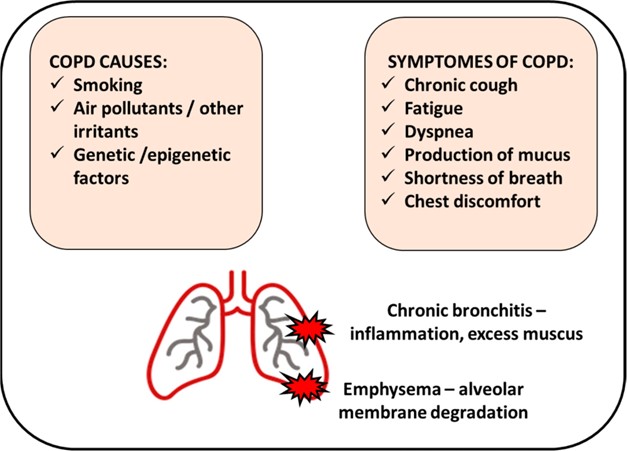
Emphysema is a chronic obstructive pulmonary disease (COPD) characterized by the destruction of lung tissue and loss of elasticity in the alveoli. This leads to poor gas exchange, specifically the reduced ability of oxygen to enter the bloodstream and carbon dioxide to be eliminated from the body. Impaired gas exchange can result in hypoxemia and hypercapnia, leading to symptoms such as shortness of breath, fatigue, and decreased exercise tolerance. While self-care deficit, activity intolerance, and ineffective airway clearance are all potential complications associated with emphysema, impaired gas exchange is the priority due to its direct impact on the client's oxygenation and overall respiratory function. Addressing impaired gas exchange and optimizing oxygenation is essential to support the client's respiratory health and prevent further complications. Management strategies for impaired gas exchange may include administering supplemental oxygen, implementing respiratory treatments to improve lung function, and providing education on breathing techniques and energy conservation.
D. Ineffective airway clearance.
Full Explanation
Emphysema is a chronic obstructive pulmonary disease (COPD) characterized by the destruction of lung tissue and loss of elasticity in the alveoli. This leads to poor gas exchange, specifically the reduced ability of oxygen to enter the bloodstream and carbon dioxide to be eliminated from the body. Impaired gas exchange can result in hypoxemia and hypercapnia, leading to symptoms such as shortness of breath, fatigue, and decreased exercise tolerance.
While self-care deficit, activity intolerance, and ineffective airway clearance are all potential complications associated with emphysema, impaired gas exchange is the priority due to its direct impact on the client's oxygenation and overall respiratory function.
Addressing impaired gas exchange and optimizing oxygenation is essential to support the client's respiratory health and prevent further complications. Management strategies for impaired gas exchange may include administering supplemental oxygen, implementing respiratory treatments to improve lung function, and providing education on breathing techniques and energy conservation.
An adult client is admitted for severe pain in his side and back and is sent for an intravenous pyelogram. Which report from the client is the earliest indication to the nurse that the client is experiencing an adverse reaction to this procedure?
A. Tingling on tongue or lips.
Tingling on the tongue or lips is an early sign of an allergic reaction to the contrast dye used during an intravenous pyelogram. This type of reaction can quickly progress to more severe symptoms, such as difficulty breathing and anaphylaxis, so it is crucial to recognize and respond to it promptly.
B. Episodes of shivering.
Episodes of shivering: Shivering is not typically an early sign of an allergic reaction to contrast dye. It might indicate a reaction to temperature or anxiety but is not as immediately concerning as symptoms of an allergic reaction.
C. Salty taste in the mouth.
Salty taste in the mouth: A salty or metallic taste is a common and benign side effect of the contrast dye and is not indicative of an adverse reaction.
D. Difficulty breathing.
Difficulty breathing: Difficulty breathing is a severe and later sign of an allergic reaction. By the time this symptom appears, the reaction has progressed and immediate intervention is necessary.
Full Explanation
A. Tingling on the tongue or lips is an early sign of an allergic reaction to the contrast dye used during an intravenous pyelogram. This type of reaction can quickly progress to more severe symptoms, such as difficulty breathing and anaphylaxis, so it is crucial to recognize and respond to it promptly.
B. Episodes of shivering: Shivering is not typically an early sign of an allergic reaction to contrast dye. It might indicate a reaction to temperature or anxiety but is not as immediately concerning as symptoms of an allergic reaction.
C. Salty taste in the mouth: A salty or metallic taste is a common and benign side effect of the contrast dye and is not indicative of an adverse reaction.
D. Difficulty breathing: Difficulty breathing is a severe and later sign of an allergic reaction. By the time this symptom appears, the reaction has progressed and immediate intervention is necessary.
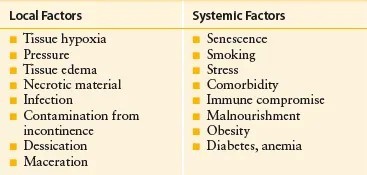
The client is a 70-year-old female training for a triathlon. She was hit by a car while jogging and has an abrasion that is 25 cm by 12 cm on her right leg and a liver laceration. She underwent an exploratory laparotomy to repair the liver laceration and to search for other internal injuries.
The client has no chronic medical conditions and is in good health. She takes a calcium and magnesium supplement daily. She denies smoking or drinking alcohol.
What age-related factors may factor into this client's wound healing? Select all that apply.
A. Insulin resistance
Insulin resistance and pigmentation changes are not directly age-related factors that impact wound healing. Insulin resistance is a condition related to impaired glucose metabolism and can affect wound healing in individuals with diabetes or other metabolic disorders, but it is not necessarily an age-related factor. Pigmentation changes are primarily cosmetic and do not directly affect the physiological processes involved in wound healing.
B. Decreased epidermal turnover
As people age, the turnover of skin cells decreases, resulting in slower wound healing. This can prolong the healing process and increase the risk of complications.
C. Pigmentation changes
Insulin resistance and pigmentation changes are not directly age-related factors that impact wound healing. Insulin resistance is a condition related to impaired glucose metabolism and can affect wound healing in individuals with diabetes or other metabolic disorders, but it is not necessarily an age-related factor. Pigmentation changes are primarily cosmetic and do not directly affect the physiological processes involved in wound healing.
D. T-cell function decrease
The immune system's function, including T-cell function, tends to decline with age. T-cells play a crucial role in the immune response and wound healing. Decreased T-cell function can impair the body's ability to fight infection and promote efficient healing.
Full Explanation
The age-related factors that may factor into this client's wound healing are: Decreased epidermal turnover: As people age, the turnover of skin cells decreases, resulting in slower wound healing. This can prolong the healing process and increase the risk of complications.
T-cell function decrease: The immune system's function, including T-cell function, tends to decline with age. T-cells play a crucial role in the immune response and wound healing. Decreased T-cell function can impair the body's ability to fight infection and promote efficient healing.
Insulin resistance and pigmentation changes are not directly age-related factors that impact wound healing. Insulin resistance is a condition related to impaired glucose metabolism and can affect wound healing in individuals with diabetes or other metabolic disorders, but it is not necessarily an age-related factor. Pigmentation changes are primarily cosmetic and do not directly affect the physiological processes involved in wound healing.