Nursing practice questions with comprehensive rationales
NurseDive Free Nursing Practice Question
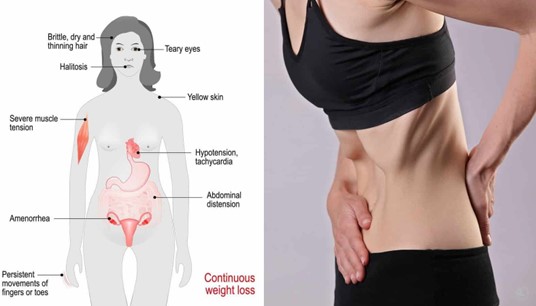
The nurse provides care for a client with anorexia nervosa. The nurse knows which statements aretrue regarding anorexia nervosa?
A. Clients diagnosed with anorexia nervosa often see themselves as overweight.
Option a. Clients diagnosed with anorexia nervosa often see themselves as overweight is true. Anorexia nervosa is characterized by a distorted body image and an intense fear of gaining weight. Even when they are severely underweight, individuals with anorexia nervosa may perceive themselves as being overweight.
B. Anorexia Nervosa has the highest mortality of all mental disorders.
Option b. Anorexia Nervosa has the highest mortality of all mental disorders is true. Anorexia nervosa is a serious mental illness that can have severe physical and psychological consequences, including death.
C. Clients diagnosed with anorexia nervosa often see themselves as emaciated and underweight.
Option c. Clients diagnosed with anorexia nervosa often see themselves as emaciated and underweight is not true. As mentioned above, individuals with anorexia nervosa often have a distorted body image and may perceive themselves as being overweight even when they are severely underweight.
D. Clients diagnosed with anorexia nervosa are self-indulgent.
Option d. Clients diagnosed with anorexia nervosa are self-indulgent is not true. Anorexia nervosa is a complex mental illness that is not caused by self-indulgence.
This question is an excerpt from Nurse Dive's nursing test bank - Mental Health - Proctored Exam 2. Take the full exam now
Full Explanation
Option a. Clients diagnosed with anorexia nervosa often see themselves as overweight is true. Anorexia nervosa is characterized by a distorted body image and an intense fear of gaining weight. Even when they are severely underweight, individuals with anorexia nervosa may perceive themselves as being overweight.
Option b. Anorexia Nervosa has the highest mortality of all mental disorders is true. Anorexia nervosa is a serious mental illness that can have severe physical and psychological consequences, including death.
Option c. Clients diagnosed with anorexia nervosa often see themselves as emaciated and underweight is not true. As mentioned above, individuals with anorexia nervosa often have a distorted body image and may perceive themselves as being overweight even when they are severely underweight.
Option d. Clients diagnosed with anorexia nervosa are self-indulgent is not true. Anorexia nervosa is a complex mental illness that is not caused by self-indulgence.
Option e. Adolescent females are most affected is true. While anorexia nervosa can affect individuals of any gender and age, it is most diagnosed in adolescent females.
Similar Questions
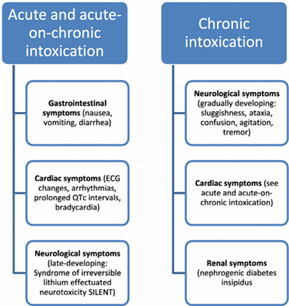
A client who is being treated with lithium carbonate for bipolar disorder type I begins to develop diarrhea, vomiting, and drowsiness. Which action should the registered nurse take?
Select one:
A. Hold the medication and refuse to administer additional doses for 3 days.
Option a. Hold the medication and refuse to administer additional doses for 3 days is not an appropriate action because it does not involve notifying the health care provider or obtaining new orders.
B. Notify the health care provider immediately and give 4 liters of fluids.
Option b. Notify the health care provider immediately and give 4 liters of fluids is not an appropriate action because it involves administering fluids without obtaining orders from the health care provider.
C. Prior to giving the next dose, notify the health care provider of these symptoms and hold the next dose until new orders from provider.
Diarrhea, vomiting, and drowsiness are potential signs of lithium toxicity, which can be a serious and potentially life-threatening condition. If a client who is being treated with lithium carbonate develops these symptoms, the nurse should notify the health care provider immediately and hold the next dose of medication until new orders are received from the provider.
D. Document the client's symptoms and continue with medication as prescribed.
Option d. Document the client’s symptoms and continue with medication as prescribed is not an appropriate action because it does not involve notifying the health care provider or holding the next dose of medication.
Full Explanation
Diarrhea, vomiting, and drowsiness are potential signs of lithium toxicity, which can be a serious and potentially life-threatening condition. If a client who is being treated with lithium carbonate develops these symptoms, the nurse should notify the health care provider immediately and hold the next dose of medication until new orders are received from the provider.
Option a. Hold the medication and refuse to administer additional doses for 3 days is not an appropriate action because it does not involve notifying the health care provider or obtaining new orders.
Option b. Notify the health care provider immediately and give 4 liters of fluids is not an appropriate action because it involves administering fluids without obtaining orders from the health care provider.
Option d. Document the client’s symptoms and continue with medication as prescribed is not an appropriate action because it does not involve notifying the health care provider or holding the next dose of medication.
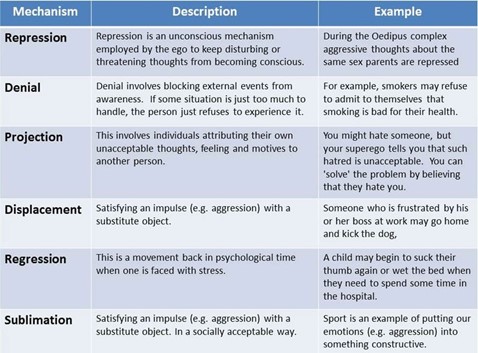
A registered nurse is admitting a client to an alcohol abuse program. The client states, here because of my boss. It was part of my job to go to parties and drink with clients. The client's statement is an example of which of the following defense mechanisms?
Select one:
A. Compensation
Option a. Compensation is a defense mechanism in which a person attempts to make up for a perceived weakness or deficiency by excelling in another area.
B. Suppression
Option b. Suppression is a defense mechanism in which a person consciously chooses to avoid thinking about or dealing with unpleasant thoughts or feelings.
C. Rationalization
Rationalization is a defence mechanism in which a person attempts to justify or explain their behavior or actions in a way that makes them seem more acceptable or reasonable. In this case, the client is using rationalization by attributing their alcohol abuse to their job and the need to drink with clients at parties.
D. Reaction-formation
Option d. Reaction-formation is a defense mechanism in which a person behaves in a way that is opposite to their true feelings or desires.
Full Explanation
Rationalization is a defence mechanism in which a person attempts to justify or explain their behavior or actions in a way that makes them seem more acceptable or reasonable. In this case, the client is using rationalization by attributing their alcohol abuse to their job and the need to drink with clients at parties.
Option a. Compensation is a defense mechanism in which a person attempts to make up for a perceived weakness or deficiency by excelling in another area.
Option b. Suppression is a defense mechanism in which a person consciously chooses to avoid thinking about or dealing with unpleasant thoughts or feelings.
Option d. Reaction-formation is a defense mechanism in which a person behaves in a way that is opposite to their true feelings or desires.
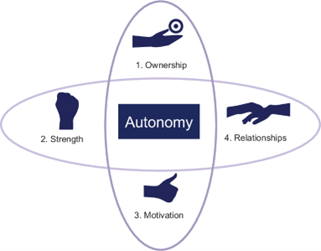
A psychiatric registered nurse best implements the ethical principle of autonomy when he or she:
Select one:
A. suggests that two patients who have been fighting stay in their rooms.
Option a suggests that the nurse is imposing their own decision on the patients, which violates the principle of autonomy.
B. explores alternative solutions with a patient, who then makes his/her own choice among the alternatives
The ethical principle of autonomy refers to an individual's right to make decisions about their own healthcare, treatment, and life choices. As a registered nurse, it is important to respect and promote the autonomy of patients. Option b best exemplifies the implementation of the ethical principle of autonomy because it involves exploring alternative solutions with the patient and allowing them to make their own choice among those alternatives. This approach respects the patient's right to make decisions about their own care, while also ensuring that they have the information they need to make an informed decision.
C. stays with a patient who is demonstrating a severe level of anxiety.
Option c may involve staying with the patient to provide support and reassurance, but it does not necessarily involve promoting the patient's autonomy.
D. intervenes when a self-mutilating patient attempts to harm him/herself.
Option d involves intervening to prevent harm to the patient, which may be necessary at times but is not necessarily an example of promoting the patient's autonomy.
Full Explanation
The ethical principle of autonomy refers to an individual's right to make decisions about their own healthcare, treatment, and life choices. As a registered nurse, it is important to respect and promote the autonomy of patients. Option b best exemplifies the implementation of the ethical principle of autonomy because it involves exploring alternative solutions with the patient and allowing them to make their own choice among those alternatives. This approach respects the patient's right to make decisions about their own care, while also ensuring that they have the information they need to make an informed decision.
Option a suggests that the nurse is imposing their own decision on the patients, which violates the principle of autonomy.
Option c may involve staying with the patient to provide support and reassurance, but it does not necessarily involve promoting the patient's autonomy.
Option d involves intervening to prevent harm to the patient, which may be necessary at times but is not necessarily an example of promoting the patient's autonomy.