
Nursing practice questions with comprehensive rationales
NurseDive Free Nursing Practice Question
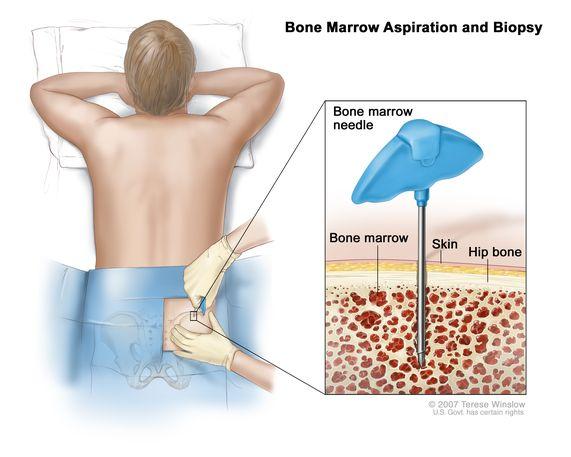
The nurse understands that a client who has had a bone marrow aspiration to assist in the diagnosis of aplastic anemia requires additional teaching when they state:
A. I can have aspirin 650 mg for pain when the procedure is over.
The client requires additional teaching if they state that they can have aspirin for pain after the bone marrow aspiration. Aspirin is a drug that inhibits platelet aggregation and increases the risk of bleeding. ¹ The client should avoid aspirin and other nonsteroidal anti-inflammatory drugs (NSAIDs) for at least 48 hours after the procedure. ² The client should use acetaminophen or another pain reliever that does not affect blood clotting.
B. The nurse will check the puncture site at least every 4 hours after the procedure.
The client does not require additional teaching if they state that the nurse will check the puncture site at least every 4 hours after the procedure. This is a correct statement, as the nurse should monitor the site for signs of bleeding, infection, or hematoma. ² The nurse should also apply pressure and a sterile dressing to the site and instruct the client to keep it dry and clean for 24 hours.
C. I will have some pain that is similar to a toothache.
The client does not require additional teaching if they state that they will have some pain that is similar to a toothache. This is a correct statement, as the client may experience mild to moderate pain at the site of the aspiration, which may radiate to the hip or back. ² The pain usually subsides within a few hours or days.
D. I understand that this is a sterile procedure.
The client does not require additional teaching if they state that they understand that this is a sterile procedure. This is a correct statement, as the bone marrow aspiration is performed under sterile conditions to prevent infection. ² The nurse should wear gloves, gown, mask, and eye protection and use a sterile needle, syringe, and antiseptic solution.
This question is an excerpt from Nurse Dive's nursing test bank - Ati Med Surg Nursing 200 Proctored Exam. Take the full exam now
Full Explanation
Choice A reason: The client requires additional teaching if they state that they can have aspirin for pain after the bone marrow aspiration. Aspirin is a drug that inhibits platelet aggregation and increases the risk of bleeding. ¹ The client should avoid aspirin and other nonsteroidal anti-inflammatory drugs (NSAIDs) for at least 48 hours after the procedure. ² The client should use acetaminophen or another pain reliever that does not affect blood clotting.
Choice B reason: The client does not require additional teaching if they state that the nurse will check the puncture site at least every 4 hours after the procedure. This is a correct statement, as the nurse should monitor the site for signs of bleeding, infection, or hematoma. ² The nurse should also apply pressure and a sterile dressing to the site and instruct the client to keep it dry and clean for 24 hours.
Choice C reason: The client does not require additional teaching if they state that they will have some pain that is similar to a toothache. This is a correct statement, as the client may experience mild to moderate pain at the site of the aspiration, which may radiate to the hip or back. ² The pain usually subsides within a few hours or days.
Choice D reason: The client does not require additional teaching if they state that they understand that this is a sterile procedure. This is a correct statement, as the bone marrow aspiration is performed under sterile conditions to prevent infection. ² The nurse should wear gloves, gown, mask, and eye protection and use a sterile needle, syringe, and antiseptic solution.
Similar Questions
A client has little use of the left side due to a stroke. To assist with ambulation for the first time, the nurse should walk:
A. directly in front of the client.
This is incorrect. Walking directly in front of the client may block their view and increase their risk of falling. The nurse should walk to the side and slightly behind the client to provide support and guidance³.
B. along the affected left side.
This is correct. Walking along the affected left side allows the nurse to assist the client with balance, weight shifting, and foot clearance. The nurse should also encourage the client to use the handrail on their strong side³.
C. directly behind the client.
This is incorrect. Walking directly behind the client may not allow the nurse to see the client's gait pattern or intervene quickly if the client loses balance. The nurse should walk to the side and slightly behind the client to monitor and assist them³.
D. along the unaffected right side.
This is incorrect. Walking along the unaffected right side may not provide adequate support or protection for the client's affected side. The nurse should walk along the affected left side to help the client with their hemiplegic gait³.
Full Explanation
Choice A reason: This is incorrect. Walking directly in front of the client may block their view and increase their risk of falling. The nurse should walk to the side and slightly behind the client to provide support and guidance³.
Choice B reason: This is correct. Walking along the affected left side allows the nurse to assist the client with balance, weight shifting, and foot clearance. The nurse should also encourage the client to use the handrail on their strong side³.
Choice C reason: This is incorrect. Walking directly behind the client may not allow the nurse to see the client's gait pattern or intervene quickly if the client loses balance. The nurse should walk to the side and slightly behind the client to monitor and assist them³.
Choice D reason: This is incorrect. Walking along the unaffected right side may not provide adequate support or protection for the client's affected side. The nurse should walk along the affected left side to help the client with their hemiplegic gait³.
The nurse should teach the client who is taking digoxin 0.125 mg PO daily to call the healthcare provider if which side effect is experienced?
A. Tinnitus
Tinnitus is not a common or serious side effect of digoxin, a drug that strengthens the contraction of the heart and regulates the heart rhythm. ¹ Tinnitus is a ringing or buzzing sound in the ears that can be caused by many factors, such as ear infections, loud noises, or medications. ² However, digoxin is not known to cause tinnitus, and it is not a reason to call the healthcare provider.
B. Constipation
Constipation is not a common or serious side effect of digoxin. Digoxin does not affect the bowel function, and it is not a reason to call the healthcare provider. Constipation can be caused by many factors, such as dehydration, lack of fiber, or medications. ³ The client should drink plenty of fluids, eat high-fiber foods, and exercise regularly to prevent or relieve constipation.
C. Visual disturbances
Visual disturbances are a common and serious side effect of digoxin, and they are a reason to call the healthcare provider. Digoxin can cause changes in vision, such as blurred vision, yellow or green halos around objects, or seeing spots or flashes. ¹ These are signs of digoxin toxicity, which is a potentially life-threatening condition that occurs when the level of digoxin in the blood is too high. The client should report any visual disturbances to the healthcare provider as soon as possible.
D. Vertigo
Vertigo is not a common or serious side effect of digoxin. Vertigo is a sensation of spinning or losing balance that can be caused by many factors, such as inner ear problems, head injuries, or medications. However, digoxin is not known to cause vertigo, and it is not a reason to call the healthcare provider.
Full Explanation
Choice A reason: Tinnitus is not a common or serious side effect of digoxin, a drug that strengthens the contraction of the heart and regulates the heart rhythm. ¹ Tinnitus is a ringing or buzzing sound in the ears that can be caused by many factors, such as ear infections, loud noises, or medications. ² However, digoxin is not known to cause tinnitus, and it is not a reason to call the healthcare provider.
Choice B reason: Constipation is not a common or serious side effect of digoxin. Digoxin does not affect the bowel function, and it is not a reason to call the healthcare provider. Constipation can be caused by many factors, such as dehydration, lack of fiber, or medications. ³ The client should drink plenty of fluids, eat high-fiber foods, and exercise regularly to prevent or relieve constipation.
Choice C reason: Visual disturbances are a common and serious side effect of digoxin, and they are a reason to call the healthcare provider. Digoxin can cause changes in vision, such as blurred vision, yellow or green halos around objects, or seeing spots or flashes. ¹ These are signs of digoxin toxicity, which is a potentially life-threatening condition that occurs when the level of digoxin in the blood is too high. The client should report any visual disturbances to the healthcare provider as soon as possible.
Choice D reason: Vertigo is not a common or serious side effect of digoxin. Vertigo is a sensation of spinning or losing balance that can be caused by many factors, such as inner ear problems, head injuries, or medications. However, digoxin is not known to cause vertigo, and it is not a reason to call the healthcare provider.
When caring for a client diagnosed with thrombocytopenia, the nurse should plan to:
A. encourage vigorous tooth brushing with a soft bristle toothbrush.
The nurse should not encourage vigorous tooth brushing with a soft bristle toothbrush. Thrombocytopenia is a condition where the blood has a low number of platelets, which are cells that help with clotting. ¹ Vigorous tooth brushing can cause bleeding of the gums, which can be hard to stop in a client with thrombocytopenia. The nurse should advise the client to use a soft sponge or swab to clean the teeth and mouth gently.
B. avoid needle sticks or other invasive procedures as much as possible.
The nurse should avoid needle sticks or other invasive procedures as much as possible. Needle sticks and other invasive procedures can cause bleeding, bruising, or infection in a client with thrombocytopenia. ¹ The nurse should use the smallest gauge needle possible, apply pressure for at least 10 minutes after the procedure, and monitor the site for any signs of bleeding or infection. The nurse should also avoid unnecessary blood draws or injections, and use non-invasive methods whenever possible.
C. hold all stool softeners and laxatives until otherwise ordered.
The nurse should not hold all stool softeners and laxatives until otherwise ordered. Stool softeners and laxatives can help prevent constipation and straining, which can cause hemorrhoids or anal fissures in a client with thrombocytopenia. ¹ The nurse should encourage the client to take stool softeners and laxatives as prescribed, drink plenty of fluids, and eat high-fiber foods to promote regular bowel movements.
D. obtain a low temperature every 8 hours.`
The nurse should not obtain a low temperature every 8 hours. A low temperature is not a relevant or accurate measurement for a client with thrombocytopenia. The nurse should obtain a normal temperature, which is around 98.6°F (37°C), using a non-invasive method, such as an oral or tympanic thermometer. ² The nurse should avoid using a rectal thermometer, as it can cause bleeding or infection in a client with thrombocytopenia.
Full Explanation
Choice A reason: The nurse should not encourage vigorous tooth brushing with a soft bristle toothbrush. Thrombocytopenia is a condition where the blood has a low number of platelets, which are cells that help with clotting. ¹ Vigorous tooth brushing can cause bleeding of the gums, which can be hard to stop in a client with thrombocytopenia. The nurse should advise the client to use a soft sponge or swab to clean the teeth and mouth gently.
Choice B reason: The nurse should avoid needle sticks or other invasive procedures as much as possible. Needle sticks and other invasive procedures can cause bleeding, bruising, or infection in a client with thrombocytopenia. ¹ The nurse should use the smallest gauge needle possible, apply pressure for at least 10 minutes after the procedure, and monitor the site for any signs of bleeding or infection. The nurse should also avoid unnecessary blood draws or injections, and use non-invasive methods whenever possible.
Choice C reason: The nurse should not hold all stool softeners and laxatives until otherwise ordered. Stool softeners and laxatives can help prevent constipation and straining, which can cause hemorrhoids or anal fissures in a client with thrombocytopenia. ¹ The nurse should encourage the client to take stool softeners and laxatives as prescribed, drink plenty of fluids, and eat high-fiber foods to promote regular bowel movements.
Choice D reason: The nurse should not obtain a low temperature every 8 hours. A low temperature is not a relevant or accurate measurement for a client with thrombocytopenia. The nurse should obtain a normal temperature, which is around 98.6°F (37°C), using a non-invasive method, such as an oral or tympanic thermometer. ² The nurse should avoid using a rectal thermometer, as it can cause bleeding or infection in a client with thrombocytopenia.