
Nursing practice questions with comprehensive rationales
NurseDive Free Nursing Practice Question
The patient's family is asking questions about the medications used in the treatment for shock. The nurse explains that dopamine is one of the drugs being used and that it works:
(Select All that Apply.)
A. At high doses, to treat anaphylaxis.
At high doses, to treat anaphylaxis: Dopamine is not used to treat anaphylaxis. Anaphylaxis is typically managed with medications such as epinephrine, antihistamines, and corticosteroids.
B. At high doses, to increase cardiac output.
At high doses, to increase cardiac output: Dopamine is a medication commonly used in the treatment of shock, particularly in cases of hypotension. At higher doses, dopamine acts as a positive inotrope and increases cardiac contractility, thereby improving cardiac output and increasing blood pressure.
C. At low doses, to cause increased blood flow to the kidneys.
At low doses, to cause increased blood flow to the kidneys: At lower doses, dopamine primarily acts on dopaminergic receptors in the renal vasculature, leading to vasodilation of the renal blood vessels and increased renal perfusion. This can help improve renal blood flow and urine output, making it beneficial in cases of renal hypoperfusion or acute kidney injury.
D. At low doses, to treat anaphylaxis.
At low doses, to treat anaphylaxis: Dopamine is not used to treat anaphylaxis at any dose. Anaphylaxis is managed with medications such as epinephrine, which acts on multiple receptors to reverse the systemic effects of the allergic reaction.
E. To cause vasoconstriction and increase blood pressure.
To cause vasoconstriction and increase blood pressure: Dopamine can also cause vasoconstriction, particularly at higher doses. This effect is mediated through its action on alpha-adrenergic receptors, leading to peripheral vasoconstriction and an increase in systemic vascular resistance, which in turn helps increase blood pressure.
This question is an excerpt from Nurse Dive's nursing test bank - Ati Pharmacology II Quiz Proctored Exam. Take the full exam now
Full Explanation
A. At high doses, to treat anaphylaxis: Dopamine is not used to treat anaphylaxis. Anaphylaxis is typically managed with medications such as epinephrine, antihistamines, and corticosteroids.
B. At high doses, to increase cardiac output: Dopamine is a medication commonly used in the treatment of shock, particularly in cases of hypotension. At higher doses, dopamine acts as a positive inotrope and increases cardiac contractility, thereby improving cardiac output and increasing blood pressure.
C. At low doses, to cause increased blood flow to the kidneys: At lower doses, dopamine primarily acts on dopaminergic receptors in the renal vasculature, leading to vasodilation of the renal blood vessels and increased renal perfusion. This can help improve renal blood flow and urine output, making it beneficial in cases of renal hypoperfusion or acute kidney injury.
D. At low doses, to treat anaphylaxis: Dopamine is not used to treat anaphylaxis at any dose. Anaphylaxis is managed with medications such as epinephrine, which acts on multiple receptors to reverse the systemic effects of the allergic reaction.
E. To cause vasoconstriction and increase blood pressure: Dopamine can also cause vasoconstriction, particularly at higher doses. This effect is mediated through its action on alpha-adrenergic receptors, leading to peripheral vasoconstriction and an increase in systemic vascular resistance, which in turn helps increase blood pressure.
Similar Questions
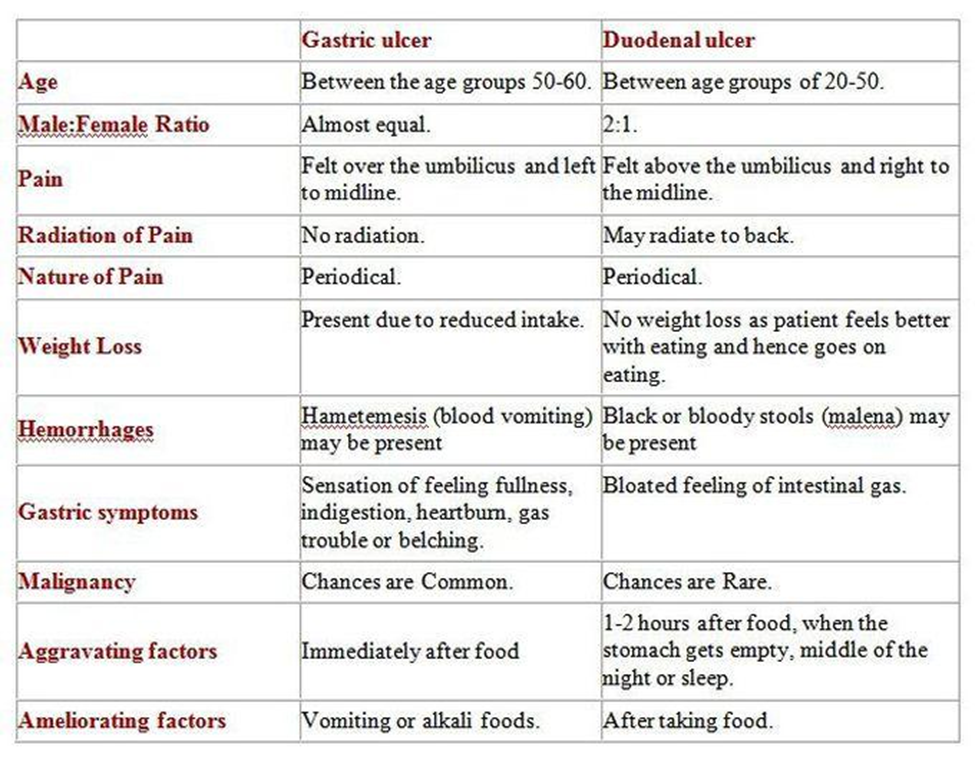
What symptom is more common to a duodenal ulcer than a gastric ulcer?
A. Nighttime pain
Nighttime pain:Nighttime pain, also known as nocturnal pain, is a symptom associated with both duodenal and gastric ulcers. It occurs when the stomach or duodenal lining is empty and no food is present to buffer the effect of gastric acid. While nighttime pain can occur in both types of ulcers, it is not more specific to duodenal ulcers compared to gastric ulcers.
B. Anorexia
Anorexia:Anorexia, or loss of appetite, can occur in both duodenal and gastric ulcers due to factors such as pain, discomfort, and inflammation. It is not a symptom that is more commonly associated with one type of ulcer over the other.
C. Postprandial pain (occurring after a meal)
Postprandial pain (occurring after a meal). Postprandial pain, which occurs after a meal, is more commonly associated with duodenal ulcers than gastric ulcers. This pain typically occurs 2 to 3 hours after eating, as it is often triggered by the release of gastric acid and duodenal contractions stimulated by food intake. Duodenal ulcers tend to cause this type of pain because they are located in the duodenum, the first part of the small intestine, which is exposed to gastric acid and bile after a meal.
D. Nausea and vomiting
Nausea and vomiting:Nausea and vomiting can occur in both duodenal and gastric ulcers, particularly if the ulcer is accompanied by complications such as obstruction or perforation. These symptoms are not more specific to duodenal ulcers compared to gastric ulcers.
Full Explanation
A) Nighttime pain:
Nighttime pain, also known as nocturnal pain, is a symptom associated with both duodenal and gastric ulcers. It occurs when the stomach or duodenal lining is empty and no food is present to buffer the effect of gastric acid. While nighttime pain can occur in both types of ulcers, it is not more specific to duodenal ulcers compared to gastric ulcers.
B) Anorexia:
Anorexia, or loss of appetite, can occur in both duodenal and gastric ulcers due to factors such as pain, discomfort, and inflammation. It is not a symptom that is more commonly associated with one type of ulcer over the other.
C) Postprandial pain (occurring after a meal).
Postprandial pain, which occurs after a meal, is more commonly associated with duodenal ulcers than gastric ulcers. This pain typically occurs 2 to 3 hours after eating, as it is often triggered by the release of gastric acid and duodenal contractions stimulated by food intake. Duodenal ulcers tend to cause this type of pain because they are located in the duodenum, the first part of the small intestine, which is exposed to gastric acid and bile after a meal.
D) Nausea and vomiting:
Nausea and vomiting can occur in both duodenal and gastric ulcers, particularly if the ulcer is accompanied by complications such as obstruction or perforation. These symptoms are not more specific to duodenal ulcers compared to gastric ulcers.
Decongestants should be used with caution in patients with which diagnoses?
Select All that Apply.)
A. Diabetes
Diabetes: Diabetes is not typically a contraindication for decongestant use. However, patients with diabetes should be cautious with decongestants that contain sugar or other ingredients that may affect blood glucose levels.
B. Hypertension
Hypertension: Decongestants can cause vasoconstriction, which may lead to an increase in blood pressure. Patients with hypertension should use decongestants cautiously and under the guidance of a healthcare provider to avoid exacerbating their condition. C. Hyperthyroidism: While decongestants can stimulate the sympathetic nervous system and may exacerbate symptoms of hyperthyroidism such as tachycardia and palpitations, hyperthyroidism is not typically considered a contraindication for decongestant use. However, patients with hyperthyroidism should use decongestants cautiously and consult with their healthcare provider.
C. Hyperthyroidism
D. Heart disease
Heart disease: Decongestants can increase heart rate and blood pressure, potentially exacerbating symptoms in patients with underlying heart conditions such as coronary artery disease, heart failure, or arrhythmias. Patients with heart disease should use decongestants cautiously and consult with their healthcare provider before use.
E. Allergic rhinitis
Allergic rhinitis: Allergic rhinitis is not typically a contraindication for decongestant use. In fact, decongestants are often used to relieve nasal congestion associated with allergic rhinitis. However, patients with allergic rhinitis should use decongestants cautiously and follow the recommended dosage instructions.
Full Explanation
A. Diabetes: Diabetes is not typically a contraindication for decongestant use. However, patients with diabetes should be cautious with decongestants that contain sugar or other ingredients that may affect blood glucose levels.
B. Hypertension: Decongestants can cause vasoconstriction, which may lead to an increase in blood pressure. Patients with hypertension should use decongestants cautiously and under the guidance of a healthcare provider to avoid exacerbating their condition.
C. Hyperthyroidism: While decongestants can stimulate the sympathetic nervous system and may exacerbate symptoms of hyperthyroidism such as tachycardia and palpitations, hyperthyroidism is not typically considered a contraindication for decongestant use. However, patients with hyperthyroidism should use decongestants cautiously and consult with their healthcare provider.
D. Heart disease: Decongestants can increase heart rate and blood pressure, potentially exacerbating symptoms in patients with underlying heart conditions such as coronary artery disease, heart failure, or arrhythmias. Patients with heart disease should use decongestants cautiously and consult with their healthcare provider before use.
E. Allergic rhinitis: Allergic rhinitis is not typically a contraindication for decongestant use. In fact, decongestants are often used to relieve nasal congestion associated with allergic rhinitis. However, patients with allergic rhinitis should use decongestants cautiously and follow the recommended dosage instructions.
A client asks the nurse what ventilation is. What is the most appropriate response by the nurse?
A. "Ventilation is the process of moving air into and out of the lungs."
"Ventilation is the process of moving air into and out of the lungs."Ventilation refers to the mechanical process of breathing, which involves the movement of air into and out of the lungs. During ventilation, air containing oxygen is drawn into the lungs through inhalation (inspiration), and carbon dioxide-rich air is expelled from the lungs through exhalation (expiration). This process facilitates the exchange of gases (oxygen and carbon dioxide) between the lungs and the external environment.
B. "Ventilation is taking a breath in."
"Ventilation is taking a breath in."This statement is too simplistic and does not fully encompass the process of ventilation, which includes both inhalation and exhalation. Ventilation involves not only taking a breath in but also the subsequent process of exhaling.
C. "Ventilation is the blood flow through the lung."
"Ventilation is the blood flow through the lung." This statement describes perfusion, which is the process of blood flow through the lung's blood vessels, rather than ventilation, which involves air movement in and out of the lungs. Ventilation and perfusion are closely related but distinct processes.
D. "Ventilation is the process by which gases are exchanged."
"Ventilation is the process by which gases are exchanged."While ventilation facilitates gas exchange, this statement does not fully capture the mechanical aspect of moving air into and out of the lungs, which is the primary function of ventilation. Gas exchange occurs in the alveoli of the lungs, where oxygen diffuses into the bloodstream, and carbon dioxide diffuses out of the bloodstream, but ventilation refers specifically to the movement of air.
Full Explanation
A) "Ventilation is the process of moving air into and out of the lungs."
Ventilation refers to the mechanical process of breathing, which involves the movement of air into and out of the lungs. During ventilation, air containing oxygen is drawn into the lungs through inhalation (inspiration), and carbon dioxide-rich air is expelled from the lungs through exhalation (expiration). This process facilitates the exchange of gases (oxygen and carbon dioxide) between the lungs and the external environment.
B) "Ventilation is taking a breath in."
This statement is too simplistic and does not fully encompass the process of ventilation, which includes both inhalation and exhalation. Ventilation involves not only taking a breath in but also the subsequent process of exhaling.
C) "Ventilation is the blood flow through the lung."
This statement describes perfusion, which is the process of blood flow through the lung's blood vessels, rather than ventilation, which involves air movement in and out of the lungs. Ventilation and perfusion are closely related but distinct processes.
D) "Ventilation is the process by which gases are exchanged."
While ventilation facilitates gas exchange, this statement does not fully capture the mechanical aspect of moving air into and out of the lungs, which is the primary function of ventilation. Gas exchange occurs in the alveoli of the lungs, where oxygen diffuses into the bloodstream, and carbon dioxide diffuses out of the bloodstream, but ventilation refers specifically to the movement of air.