
Nursing practice questions with comprehensive rationales
NurseDive Free Nursing Practice Question
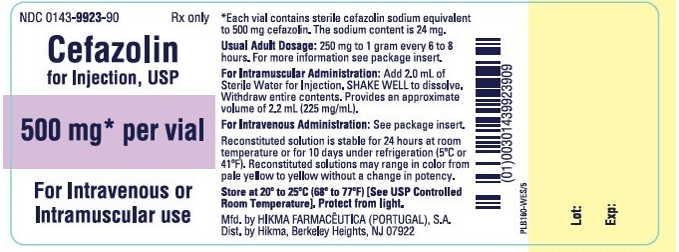
The practical nurse (PN) is preparing cefazolin 400 mg IM for a client with a gram-positive infection. The available vial is labeled, "Cefazolin 1 gram," and the instructions for reconstitution state, for IM use, add 2 mL sterile water for injection. Total volume after reconstitution is 2.5 mL. After reconstitution, how many mL should be administered to the client? (Enter numeric value only. If rounding is required, round to the whole number, nearest tenths/hundredth).
This question is an excerpt from Nurse Dive's nursing test bank - HESI PN Exit 2023 II Proctored Exam. Take the full exam now
Full Explanation
This is the correct answer because the concentration of cefazolin after reconstitution is 1 gram/2.5 mL, which is equivalent to 400 mg/1 mL. Therefore, to administer 400 mg of cefazolin, the PN should draw up 1 mL of the reconstituted solution. This can be calculated using the formula:
Desired dose / Available dose = Volume to administer
400 mg / 1000 mg = x mL / 2.5 mL
x = (400 x 2.5) / 1000
x = 1 mL
Similar Questions
The practical nurse (PN) believes that a prescription for a child is incorrect because the dosage prescribed is the usual adult dosage. Which action should the PN take?
A. Tell the pharmacy to send an accurate child's dosage
This is not the action that the PN should take if they believe that a prescription for a child is incorrect because the dosage prescribed is the usual adult dosage. Telling the pharmacy to send an accurate child's dosage is not appropriate, as it may cause confusion, delay, or conflict with the healthcare provider's orders. The PN should not assume that they know the correct dosage for the child without consulting with the healthcare provider.
B. Ask another nurse if adult dosages are ever given to children
This is not the action that the PN should take if they believe that a prescription for a child is incorrect because the dosage prescribed is the usual adult dosage. Asking another nurse if adult dosages are ever given to children is not helpful, as it may not provide accurate or reliable information. The PN should not rely on another nurse's opinion or experience without verifying it with the healthcare provider.
C. Call the healthcare provider and clarify the prescription
This is the action that the PN should take if they believe that a prescription for a child is incorrect because the dosage prescribed is the usual adult dosage. Calling the healthcare provider and clarifying the prescription is the safest and most effective way to prevent medication errors and ensure the child's safety. The PN should not administer the medication until they are sure that it is correct and appropriate for the child.
D. Request verification of the prescription by the charge nurse
This is not the action that the PN should take if they believe that a prescription for a child is incorrect because the dosage prescribed is the usual adult dosage. Requesting verification of the prescription by the charge nurse is not necessary, as it may waste time and resources. The PN should be able to communicate directly with the healthcare provider and clarify any doubts or concerns about the prescription.
Full Explanation
c) Call the healthcare provider and clarify the prescription. Correct
This is the action that the PN should take if they believe that a prescription for a child is incorrect because the dosage prescribed is the usual adult dosage.
Calling the healthcare provider and clarifying the prescription is the safest and most effective way to prevent medication errors and ensure the child's safety. The PN should not administer the medication until they are sure that it is correct and appropriate for the child.
a) Tell the pharmacy to send an accurate child's dosage.
This is not the action that the PN should take if they believe that a prescription for a child is incorrect because the dosage prescribed is the usual adult dosage.
Telling the pharmacy to send an accurate child's dosage is not appropriate, as it may cause confusion, delay, or conflict with the healthcare provider's orders. The PN should not assume that they know the correct dosage for the child without consulting with the healthcare provider.
b) Ask another nurse if adult dosages are ever given to children.
This is not the action that the PN should take if they believe that a prescription for a child is incorrect because the dosage prescribed is the usual adult dosage. Asking another nurse if adult dosages are ever given to children is not helpful, as it may not provide accurate or reliable information.
The PN should not rely on another nurse's opinion or experience without verifying it with the healthcare provider.
d) Request verification of the prescription by the charge nurse.
This is not the action that the PN should take if they believe that a prescription for a child is incorrect because the dosage prescribed is the usual adult dosage. Requesting verification of the prescription by the charge nurse is not necessary, as it may waste time and resources.
The PN should be able to communicate directly with the healthcare provider and clarify any doubts or concerns about the prescription.
Before administering an antibiotic that can cause nephrotoxicity, which laboratory value is most important for the practical nurse (PN) to review?
A. Serum calcium
This may be affected by renal function, but it is not a sensitive or specific marker of nephrotoxicity. It may be altered by other factors such as vitamin D, parathyroid hormone, and bone metabolism
B. Serum creatinine
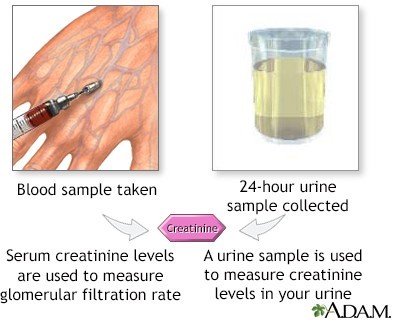
Serum creatinine is the most important laboratory value to review before administering an antibiotic that can cause nephrotoxicity. Nephrotoxicity is an alteration in the function of the kidney due to exposure to certain drugs or toxins. It can be assessed by measuring the glomerular filtration rate (GFR), which is the rate of clearance of a substance from the blood by the kidneys. Serum creatinine is a waste product of muscle metabolism that is freely filtered by the glomeruli and not reabsorbed or secreted by the tubules. Therefore, it is a reliable indicator of GFR and renal function. An increase in serum creatinine indicates a decrease in GFR and renal function, which may be caused by nephrotoxic drugs
C. Hemoglobin and Hematocrit
These may be affected by renal function, but they are not sensitive or specific markers of nephrotoxicity. They may reflect the erythropoietin production by the kidneys, which stimulates red blood cell production in the bone marrow. However, they may also be influenced by other factors such as blood loss, hydration status, and iron deficiency
D. White blood cell count (WBC)
This is not related to nephrotoxicity or GFR. It may reflect the presence of infection or inflammation, which may be a cause or a consequence of renal impairment, but it is not a direct measure of renal function.
Full Explanation
Serum creatinine is the most important laboratory value to review before administering an antibiotic that can cause nephrotoxicity. Nephrotoxicity is an alteration in the function of the kidney due to exposure to certain drugs or toxins.
It can be assessed by measuring the glomerular filtration rate (GFR), which is the rate of clearance of a substance from the blood by the kidneys. Serum creatinine is a waste product of muscle metabolism that is freely filtered by the glomeruli and not reabsorbed or secreted by the tubules.
Therefore, it is a reliable indicator of GFR and renal function. An increase in serum creatinine indicates a decrease in GFR and renal function, which may be caused by nephrotoxic drugs.
The other laboratory values are not directly related to nephrotoxicity or GFR:
- Serum calcium: This may be affected by renal function, but it is not a sensitive or specific marker of nephrotoxicity. It may be altered by other factors such as vitamin D, parathyroid hormone, and bone metabolism.
- Hemoglobin and hematocrit: These may be affected by renal function, but they are not sensitive or specific markers of nephrotoxicity. They may reflect the erythropoietin production by the kidneys, which stimulates red blood cell production in the bone marrow. However, they may also be influenced by other factors such as blood loss, hydration status, and iron deficiency.
- White blood cell count (WBC): This is not related to nephrotoxicity or GFR. It may reflect the presence of infection or inflammation, which may be a cause or a consequence of renal impairment, but it is not a direct measure of renal function.
A client who received an open reduction and internal fixation (ORIF) of the right femur after experiencing a fall at home experiences a sudden onset of increasing confusion and agitation.
When reporting to the healthcare provider using SBAR (Situation, Background, Assessment, Recommendation) communication, which information should the nurse provide first?
A. Client's healthcare power of attorney.
Providing information about the client's healthcare power of attorney is not the most critical piece of information to report in this situation. The immediate concern is the client's change in mental status and potential medical emergency.
B. Fall at home as reason for admission.
While the reason for the client's admission is important background information, it is not the most urgent information to report in this situation. The priority is addressing the client's acute change in mental status.
C. Currently prescribed medications.
The nurse should be aware of the client's currently prescribed medications, but this information does not take precedence over the client's sudden onset of confusion and agitation. Immediate action is needed to address the client's altered mental status.
D. Increasing confusion of the client.
Increasing confusion and agitation in a client who recently underwent ORIF of the right femur is a significant change in condition and may indicate a medical emergency such as infection, delirium, or other complications. This information should be provided first to alert the healthcare provider to the client's immediate needs.
Full Explanation
Choice A rationale:
Providing information about the client's healthcare power of attorney is not the most critical piece of information to report in this situation. The immediate concern is the client's change in mental status and potential medical emergency.
Choice B rationale:
While the reason for the client's admission is important background information, it is not the most urgent information to report in this situation. The priority is addressing the client's acute change in mental status.
Choice C rationale:
The nurse should be aware of the client's currently prescribed medications, but this information does not take precedence over the client's sudden onset of confusion and agitation. Immediate action is needed to address the client's altered mental status.
Choice D rationale:
Increasing confusion and agitation in a client who recently underwent ORIF of the right femur is a significant change in condition and may indicate a medical emergency such as infection, delirium, or other complications. This information should be provided first to alert the healthcare provider to the client's immediate needs.