
Nursing practice questions with comprehensive rationales
NurseDive Free Nursing Practice Question
The viral pathogen that frequently causes acute diarrhea in young children is:
A. Rotavirus.
Rotavirus is a viral pathogen that frequently causes acute diarrhea in young children. It is highly contagious and is responsible for a significant portion of severe diarrhea cases worldwide. Rotavirus infections are most common in infants and young children, and they can lead to dehydration, especially in developing countries where access to clean water and proper sanitation might be limited.
B. Salmonella organisms.
Salmonella organisms can cause food poisoning and gastrointestinal infections that lead to diarrhea. However, they are more commonly associated with bacterial infections rather than viral-induced acute diarrhea.
C. Shigella organisms.
Shigella organisms are also bacterial pathogens that cause diarrhea, specifically bacillary dysentery. While they can cause severe diarrhea, they are not the viral pathogen typically responsible for acute diarrhea in young children.
D. Giardia organisms.
Giardia organisms are parasites that can cause gastrointestinal infections leading to diarrhea. However, they are not viruses, and they are less commonly associated with acute diarrhea in children compared to rotavirus.
This question is an excerpt from Nurse Dive's nursing test bank - Pediatrics Midterm V1 2023 Test 3 Proctored Exam. Take the full exam now
Full Explanation
The correct answer is choice A: Rotavirus.
Choice A rationale:
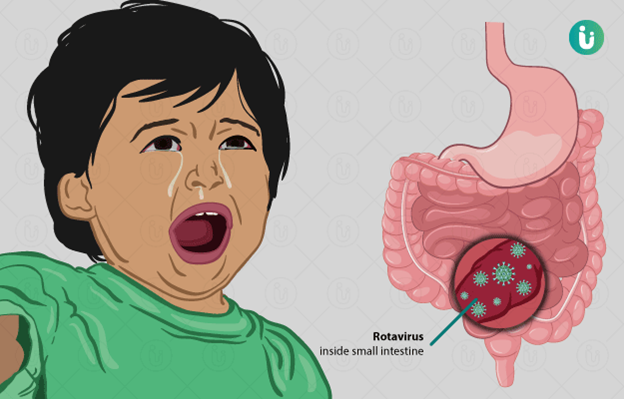
Rotavirus is a viral pathogen that frequently causes acute diarrhea in young children. It is highly contagious and is responsible for a significant portion of severe diarrhea cases worldwide. Rotavirus infections are most common in infants and young children, and they can lead to dehydration, especially in developing countries where access to clean water and proper sanitation might be limited.
Choice B rationale:
Salmonella organisms can cause food poisoning and gastrointestinal infections that lead to diarrhea. However, they are more commonly associated with bacterial infections rather than viral-induced acute diarrhea.
Choice C rationale:
Shigella organisms are also bacterial pathogens that cause diarrhea, specifically bacillary dysentery. While they can cause severe diarrhea, they are not the viral pathogen typically responsible for acute diarrhea in young children.
Choice D rationale:
Giardia organisms are parasites that can cause gastrointestinal infections leading to diarrhea. However, they are not viruses, and they are less commonly associated with acute diarrhea in children compared to rotavirus.
Similar Questions
What is the most appropriate nursing diagnosis for a child diagnosed with moderate anemia?
A. Risk for injury related to depressed sensorium.
Risk for injury related to depressed sensorium. This choice is not the most appropriate nursing diagnosis for a child with moderate anemia. While anemia can lead to fatigue and weakness, the main concern is the child's ability to tolerate physical activities, not the risk of injury due to a depressed sensorium.
B. Decreased cardiac output related to abnormal hemoglobin.
Decreased cardiac output related to abnormal hemoglobin. This choice is not the most suitable nursing diagnosis for a child with moderate anemia. While abnormal hemoglobin levels can affect cardiac output, moderate anemia typically doesn't lead to such a significant decrease in cardiac output that it becomes the primary nursing diagnosis. Activity intolerance is a more relevant concern.
C. Activity intolerance related to generalized weakness.
Activity intolerance related to generalized weakness. This is the most appropriate nursing diagnosis for a child diagnosed with moderate anemia. Moderate anemia results in a decrease in oxygen-carrying capacity, leading to generalized weakness and reduced ability to perform physical activities without becoming fatigued. The child's hemoglobin levels are likely low enough to cause noticeable activity intolerance.
D. Risk for Injury related to dehydration and abnormal hemoglobin.
Risk for Injury related to dehydration and abnormal hemoglobin. This choice is not the best nursing diagnosis for a child with moderate anemia. Dehydration may exacerbate the effects of anemia, but the primary issue here is the anemia itself causing weakness and activity intolerance, which are better addressed with the choice C diagnosis.
Full Explanation
The correct answer is choice C. Activity intolerance related to generalized weakness.
Choice A rationale:
Risk for injury related to depressed sensorium. This choice is not the most appropriate nursing diagnosis for a child with moderate anemia. While anemia can lead to fatigue and weakness, the main concern is the child's ability to tolerate physical activities, not the risk of injury due to a depressed sensorium.
Choice B rationale:
Decreased cardiac output related to abnormal hemoglobin. This choice is not the most suitable nursing diagnosis for a child with moderate anemia. While abnormal hemoglobin levels can affect cardiac output, moderate anemia typically doesn't lead to such a significant decrease in cardiac output that it becomes the primary nursing diagnosis. Activity intolerance is a more relevant concern.
Choice C rationale:
Activity intolerance related to generalized weakness. This is the most appropriate nursing diagnosis for a child diagnosed with moderate anemia. Moderate anemia results in a decrease in oxygen-carrying capacity, leading to generalized weakness and reduced ability to perform physical activities without becoming fatigued. The child's hemoglobin levels are likely low enough to cause noticeable activity intolerance.
Choice D rationale:
Risk for Injury related to dehydration and abnormal hemoglobin. This choice is not the best nursing diagnosis for a child with moderate anemia. Dehydration may exacerbate the effects of anemia, but the primary issue here is the anemia itself causing weakness and activity intolerance, which are better addressed with the choice C diagnosis.
A nurse is charting that a hospitalized child has labored breathing. Which medical term describes labored breathing?
A. Orthopnea.
Orthopnea. Orthopnea refers to difficulty in breathing that occurs when lying flat. It is not the term used to describe labored breathing, which is the main concern in this question.
B. Hypopnea.
Hypopnea. Hypopnea is a term used to describe shallow or slow breathing, usually during sleep. It is not the term used to describe the labored breathing mentioned in the question.
C. Dyspnea.
Dyspnea. This is the correct term to describe labored breathing, which is characterized by a subjective sensation of discomfort or difficulty in breathing. In this context, the nurse is charting that the hospitalized child has labored breathing, indicating the need for further assessment and intervention to address this breathing difficulty.
D. Tachypnea.
Tachypnea. Tachypnea refers to abnormally fast breathing. While it is a concern, especially in the context of a hospitalized child, it does not specifically describe labored breathing, which is the main focus of this question.
Full Explanation
The correct answer is choice C. Dyspnea.
Choice A rationale:
Orthopnea. Orthopnea refers to difficulty in breathing that occurs when lying flat. It is not the term used to describe labored breathing, which is the main concern in this question.
Choice B rationale:
Hypopnea. Hypopnea is a term used to describe shallow or slow breathing, usually during sleep. It is not the term used to describe the labored breathing mentioned in the question.
Choice C rationale:
Dyspnea. This is the correct term to describe labored breathing, which is characterized by a subjective sensation of discomfort or difficulty in breathing. In this context, the nurse is charting that the hospitalized child has labored breathing, indicating the need for further assessment and intervention to address this breathing difficulty.
Choice D rationale:
Tachypnea. Tachypnea refers to abnormally fast breathing. While it is a concern, especially in the context of a hospitalized child, it does not specifically describe labored breathing, which is the main focus of this question.
What are the earliest recognizable clinical manifestations of cystic fibrosis (CF)?
A. Meconium ileus.
Meconium ileus. This is the earliest recognizable clinical manifestation of cystic fibrosis (CF). Meconium ileus refers to the blockage of the small intestine by thick, sticky meconium, the earliest stool of a newborn. It occurs in the first 24-48 hours of life and can be a sign of underlying cystic fibrosis.
B. Foul-smelling, frothy, greasy stools.
Foul-smelling, frothy, greasy stools. Foul-smelling, frothy, greasy stools are characteristic of malabsorption, which can occur in cystic fibrosis. However, this manifestation typically appears after meconium ileus and is not the earliest recognizable clinical sign.
C. History of poor intestinal absorption.
History of poor intestinal absorption. While poor intestinal absorption is a common consequence of cystic fibrosis, it is not one of the earliest recognizable clinical manifestations. Meconium ileus takes precedence as the primary early sign.
D. Recurrent pneumonia and lung infections.
Recurrent pneumonia and lung infections. Recurrent pneumonia and lung infections are common in later stages of cystic fibrosis due to the buildup of thick mucus in the respiratory tract. However, they are not among the earliest recognizable clinical manifestations of the disease. Meconium ileus is the earliest indicator in this context.
Full Explanation
The correct answer is choice A. Meconium ileus.
Choice A rationale:
Meconium ileus. This is the earliest recognizable clinical manifestation of cystic fibrosis (CF). Meconium ileus refers to the blockage of the small intestine by thick, sticky meconium, the earliest stool of a newborn. It occurs in the first 24-48 hours of life and can be a sign of underlying cystic fibrosis.
Choice B rationale:
Foul-smelling, frothy, greasy stools. Foul-smelling, frothy, greasy stools are characteristic of malabsorption, which can occur in cystic fibrosis. However, this manifestation typically appears after meconium ileus and is not the earliest recognizable clinical sign.
Choice C rationale:
History of poor intestinal absorption. While poor intestinal absorption is a common consequence of cystic fibrosis, it is not one of the earliest recognizable clinical manifestations. Meconium ileus takes precedence as the primary early sign.
Choice D rationale:
Recurrent pneumonia and lung infections. Recurrent pneumonia and lung infections are common in later stages of cystic fibrosis due to the buildup of thick mucus in the respiratory tract. However, they are not among the earliest recognizable clinical manifestations of the disease. Meconium ileus is the earliest indicator in this context.