
Nursing practice questions with comprehensive rationales
NurseDive Free Nursing Practice Question
Therapeutic relationship differs from other relationships in that the focus of a therapeutic relationship is on:
A. The nurse
the nurse is not the primary focus of a therapeutic relationship and does not focus on their personal or professional needs. However, they should always maintain appropriate boundaries and avoid becoming too emotionally involved or attached to the client.
B. The client
the client is the primary focus of a therapeutic relationship hence the care provided should meet the client’s needs, well-being, and expectations.
C. Establishing a friendship
a therapeutic relationship is not focused on establishing a friendship but on developing a working alliance between the nurse and the client.
D. The plan of care
The plan of care is an important tool for guiding the therapeutic relationship, but it is not the focus of the relationship.
This question is an excerpt from Nurse Dive's nursing test bank - ATI ns 130 Exam Psychosocial Proctored Exam. Take the full exam now
Full Explanation
Choice A rationale: the nurse is not the primary focus of a therapeutic relationship and does not focus on their personal or professional needs. However, they should always maintain appropriate boundaries and avoid becoming too emotionally involved or attached to the client.
Choice B rationale: the client is the primary focus of a therapeutic relationship hence the care provided should meet the client’s needs, well-being, and expectations.
Choice C rationale: a therapeutic relationship is not focused on establishing a friendship but on developing a working alliance between the nurse and the client.
Choice D rationale: The plan of care is an important tool for guiding the therapeutic relationship, but it is not the focus of the relationship.
Similar Questions
As the nurse begins to discuss discharge plans for a 45-year-old female client hospitalized for anxiety, the client states, "You never really cared whether I get better! Why not stop this charade?" The nurse recognizes this to be:
A. Insecurity
this is inaccurate since it does not display insecurity where feelings of inadequacy or uncertainty are displayed affecting the individual’s self-esteem and confidence.
B. Transference
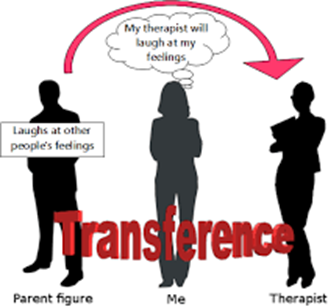
transference is a defense mechanism where the patient unconsciously transfers their feelings, expectations, and attitudes from their previous relationship to a current relationship. In this case, the client is projecting her unresolved feelings about someone who did not care for her onto the nurse, who is trying to help her.
C. Countertransference
Countertransference is the process where the nurse unconsciously transfers their unresolved feelings and attitudes from a past relationship to their clients.
D. Secondary gain
secondary gain is the benefit received by an individual for being sick, for instance, attention and sympathy. The client’s statement is an indication of rejection of the nurse’s help rather than seeking a secondary gain.
Full Explanation
Choice A rationale: this is inaccurate since it does not display insecurity where feelings of inadequacy or uncertainty are displayed affecting the individual’s self-esteem and confidence.
Choice B rationale: transference is a defense mechanism where the patient unconsciously transfers their feelings, expectations, and attitudes from their previous relationship to a current relationship. In this case, the client is projecting her unresolved feelings about someone who did not care for her onto the nurse, who is trying to help her.
Choice C rationale: Countertransference is the process where the nurse unconsciously transfers their unresolved feelings and attitudes from a past relationship to their clients.
Choice D rationale: secondary gain is the benefit received by an individual for being sick, for instance, attention and sympathy. The client’s statement is an indication of rejection of the nurse’s help rather than seeking a secondary gain.
Showing empathy toward a client is an effective tool in establishing rapport. Which nurse statement is the best example of an empathetic response?
A. "It must be difficult for you going through this loss
this statement is correct since it shows that the nurse is understanding and sharing the patient’s feelings without judging them but instead the nurse is acknowledging the client’s pain and is showing compassion. It reflects on the patient’s emotions and validates their experiences.
B. “I am so sorry for your loss."
this is a sign of sympathy and not empathy since it shows that the nurse is sorry for the patient but is not necessarily relating to their emotions.
C. “Try to look on the bright side.”
this statement is dismissive since it tries to make the client feel better by overlooking and downplaying their negative feelings which may worsen their situation.
D. "I am sure you will feel better soon."
this is a hopeful response rather than an empathetic one and does not address the client’s current emotions and feelings despite being a source of encouragement and optimism.
Full Explanation
Choice A rationale: this statement is correct since it shows that the nurse is understanding and sharing the patient’s feelings without judging them but instead the nurse is acknowledging the client’s pain and is showing compassion. It reflects on the patient’s emotions and validates their experiences.
Choice B rationale: this is a sign of sympathy and not empathy since it shows that the nurse is sorry for the patient but is not necessarily relating to their emotions.
Choice C rationale: this statement is dismissive since it tries to make the client feel better by overlooking and downplaying their negative feelings which may worsen their situation.
Choice D rationale: this is a hopeful response rather than an empathetic one and does not address the client’s current emotions and feelings despite being a source of encouragement and optimism.
Which classification of psych medication does a Benzodiazepine belong
A. Mood Stabilizer
Mood stabilizers are drugs that help regulate the mood swings of bipolar disorder and other conditions. They include lithium, valproate, carbamazepine, and lamotrigine.
B. Antipsychotic
Antipsychotics are drugs that reduce the symptoms of psychosis, such as hallucinations, delusions, paranoia, and disorganized thinking. They include chlorpromazine, haloperidol, risperidone, olanzapine, and quetiapine.
C. Antidepressants
Antidepressants are drugs that improve mood and reduce the symptoms of depression, such as low energy, sadness, hopelessness, and loss of interest. They include selective serotonin reuptake inhibitors (SSRIs), serotonin-norepinephrine reuptake inhibitors (SNRIs), tricyclic antidepressants (TCAs), and monoamine oxidase inhibitors (MAOIs).
D. Antianxiety
Benzodiazepines are a class of drugs that act on the gamma-aminobutyric acid (GABA) receptors in the brain, producing a calming and sedative effect. They are used to treat anxiety disorders, panic attacks, insomnia, seizures, and alcohol withdrawal. They include drugs such as lorazepam, diazepam and clonazepam.
Full Explanation
Choice A rationale: Mood stabilizers are drugs that help regulate the mood swings of bipolar disorder and other conditions. They include lithium, valproate, carbamazepine, and lamotrigine.
Choice B rationale: Antipsychotics are drugs that reduce the symptoms of psychosis, such as hallucinations, delusions, paranoia, and disorganized thinking. They include chlorpromazine, haloperidol, risperidone, olanzapine, and quetiapine.
Choice C rationale: Antidepressants are drugs that improve mood and reduce the symptoms of depression, such as low energy, sadness, hopelessness, and loss of interest. They include selective serotonin reuptake inhibitors (SSRIs), serotonin-norepinephrine reuptake inhibitors (SNRIs), tricyclic antidepressants (TCAs), and monoamine oxidase inhibitors (MAOIs).
Choice D rationale: Benzodiazepines are a class of drugs that act on the gamma-aminobutyric acid (GABA) receptors in the brain, producing a calming and sedative effect. They are used to treat anxiety disorders, panic attacks, insomnia, seizures, and alcohol withdrawal. They include drugs such as lorazepam, diazepam and clonazepam.