
Nursing practice questions with comprehensive rationales
NurseDive Free Nursing Practice Question
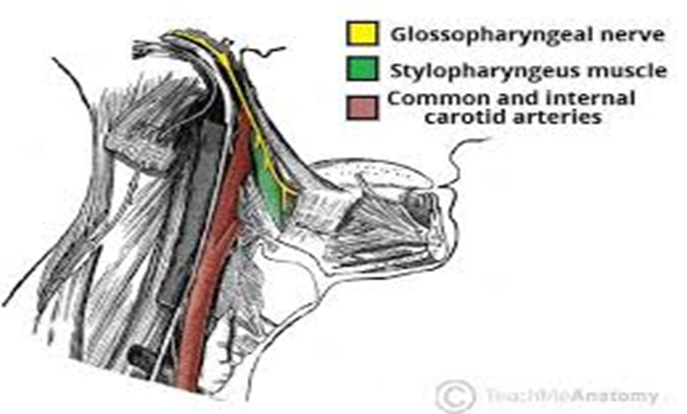
What cranial nerve is responsible for the taste sensation of the posterior third of the tongue?
A. Facial
The facial nerve, or cranial nerve VII, is responsible for the taste sensation in the anterior two-thirds of the tongue, not the posterior third. It carries taste sensations from the front part of the tongue via the chorda tympani branch.
B. Abducens
The abducens nerve, or cranial nerve VI, has no role in taste sensation. It is primarily involved in controlling the lateral rectus muscle of the eye, which abducts the eye.
C. Glossopharyngeal
The glossopharyngeal nerve, or cranial nerve IX, provides special sensory innervation for taste to the posterior third of the tongue. This enables the sensation of various tastes like salty, sweet, sour, and bitter in this region.
D. Hypoglossal
The hypoglossal nerve, or cranial nerve XII, is responsible for motor control of the tongue muscles but does not provide sensory innervation for taste.
This question is an excerpt from Nurse Dive's nursing test bank - Ati Fundamentals Assessment Proctored Exam Midterm. Take the full exam now
Full Explanation
Choice A Reason:
The facial nerve, or cranial nerve VII, is responsible for the taste sensation in the anterior two-thirds of the tongue, not the posterior third. It carries taste sensations from the front part of the tongue via the chorda tympani branch.
Choice B Reason:
The abducens nerve, or cranial nerve VI, has no role in taste sensation. It is primarily involved in controlling the lateral rectus muscle of the eye, which abducts the eye.
Choice C Reason:
The glossopharyngeal nerve, or cranial nerve IX, provides special sensory innervation for taste to the posterior third of the tongue. This enables the sensation of various tastes like salty, sweet, sour, and bitter in this region.
Choice D Reason:
The hypoglossal nerve, or cranial nerve XII, is responsible for motor control of the tongue muscles but does not provide sensory innervation for taste.
Similar Questions
When planning care for a client with an inner ear infection, the nurse will need to include interventions for which of the following potential problems?
A. Vertigo
Vertigo is a common complication associated with inner ear infections, such as labyrinthitis or vestibular neuritis. The inner ear is responsible for balance, and when it is infected, it can lead to a sensation of spinning or dizziness. Interventions may include medications like meclizine or dimenhydrinate to alleviate symptoms, as well as safety measures to prevent falls.
B. Rhinorrhea
Rhinorrhea, or a runny nose, is not typically a direct complication of an inner ear infection. It may be associated with upper respiratory infections that can precede or accompany an ear infection but is not a result of the inner ear infection itself.
C. Fever
Fever may be present if the inner ear infection is part of a systemic infection, such as the flu or bacterial meningitis. However, fever is not a direct result of an isolated inner ear infection. If fever is present, the nurse should monitor the patient's temperature and may administer antipyretics as ordered.
D. Headache
Headache can be a symptom experienced by individuals with inner ear infections due to the general discomfort and pressure changes in the ear. However, it is not as specific or as common as vertigo when it comes to inner ear infections. If headaches are present, pain management strategies can be included in the care plan.
Full Explanation
Choice A Reason:
Vertigo is a common complication associated with inner ear infections, such as labyrinthitis or vestibular neuritis. The inner ear is responsible for balance, and when it is infected, it can lead to a sensation of spinning or dizziness. Interventions may include medications like meclizine or dimenhydrinate to alleviate symptoms, as well as safety measures to prevent falls.
Choice B Reason:
Rhinorrhea, or a runny nose, is not typically a direct complication of an inner ear infection. It may be associated with upper respiratory infections that can precede or accompany an ear infection but is not a result of the inner ear infection itself.
Choice C Reason:
Fever may be present if the inner ear infection is part of a systemic infection, such as the flu or bacterial meningitis. However, fever is not a direct result of an isolated inner ear infection. If fever is present, the nurse should monitor the patient's temperature and may administer antipyretics as ordered.
Choice D Reason:
Headache can be a symptom experienced by individuals with inner ear infections due to the general discomfort and pressure changes in the ear. However, it is not as specific or as common as vertigo when it comes to inner ear infections. If headaches are present, pain management strategies can be included in the care plan.
During the physical examination of the mouth, the nurse identifies vesicular eruptions along the client's lips and surrounding skin. Which problem should the nurse document?
A. Angular cheilitis
Angular cheilitis is characterized by inflammation of one or both corners of the mouth. It often presents as red, swollen patches in the corners of the mouth and can be associated with fungal or bacterial infection. However, it does not typically cause vesicular eruptions, which are more indicative of viral infections like herpes simplex.
B. Herpes simplex
Herpes simplex virus (HSV) is known for causing vesicular eruptions, commonly referred to as cold sores or fever blisters, around the lips and mouth area. These eruptions are fluid-filled blisters that can be painful and are highly indicative of an HSV infection, particularly HSV type 1, which commonly affects the oral region.
C. Angioedema
Angioedema involves the rapid swelling of the deeper layers of the skin, often seen with hives. While it can affect the lips and surrounding areas, it does not cause vesicular eruptions. Angioedema is more associated with allergic reactions and can be part of anaphylaxis, a severe systemic reaction.
Full Explanation
Choice A Reason:
Angular cheilitis is characterized by inflammation of one or both corners of the mouth. It often presents as red, swollen patches in the corners of the mouth and can be associated with fungal or bacterial infection. However, it does not typically cause vesicular eruptions, which are more indicative of viral infections like herpes simplex.
Choice B Reason:
Herpes simplex virus (HSV) is known for causing vesicular eruptions, commonly referred to as cold sores or fever blisters, around the lips and mouth area. These eruptions are fluid-filled blisters that can be painful and are highly indicative of an HSV infection, particularly HSV type 1, which commonly affects the oral region.
Choice C Reason:
Angioedema involves the rapid swelling of the deeper layers of the skin, often seen with hives. While it can affect the lips and surrounding areas, it does not cause vesicular eruptions. Angioedema is more associated with allergic reactions and can be part of anaphylaxis, a severe systemic reaction.
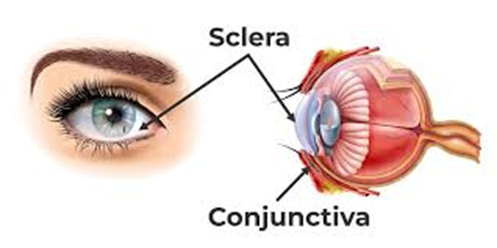
When preparing to examine a client's sclera and conjunctiva during an eye examination, the nurse should instruct the client to move both eyes to look in which direction?
A. Down
Looking down does not typically expose the sclera and conjunctiva for examination. The lower eyelid covers more of the sclera when the eyes are directed downward, making it less accessible for observation.
B. To the left
Moving the eyes to the left is not the standard direction for examining the sclera and conjunctiva. This movement would not provide an optimal view of the entire sclera and conjunctiva, as it would only stretch the lateral part of the conjunctiva.
C. To the right
Directing the eyes to the right, similar to moving them to the left, does not offer the best exposure for examining the sclera and conjunctiva. The medial part of the conjunctiva would be stretched, but the rest would not be easily visible.
D. Up
Instructing the client to look up is the correct procedure when examining the sclera and conjunctiva. By looking upward, the client exposes more of the sclera and the palpebral conjunctiva, allowing the nurse to inspect these areas thoroughly for any abnormalities such as redness, swelling, or foreign bodies.
Full Explanation
Choice A Reason:
Looking down does not typically expose the sclera and conjunctiva for examination. The lower eyelid covers more of the sclera when the eyes are directed downward, making it less accessible for observation.
Choice B Reason:
Moving the eyes to the left is not the standard direction for examining the sclera and conjunctiva. This movement would not provide an optimal view of the entire sclera and conjunctiva, as it would only stretch the lateral part of the conjunctiva.
Choice C Reason:
Directing the eyes to the right, similar to moving them to the left, does not offer the best exposure for examining the sclera and conjunctiva. The medial part of the conjunctiva would be stretched, but the rest would not be easily visible.
Choice D Reason:
Instructing the client to look up is the correct procedure when examining the sclera and conjunctiva. By looking upward, the client exposes more of the sclera and the palpebral conjunctiva, allowing the nurse to inspect these areas thoroughly for any abnormalities such as redness, swelling, or foreign bodies.