
Nursing practice questions with comprehensive rationales
NurseDive Free Nursing Practice Question
What do we include as part of our concussion/head injury prevention teaching to children and parents:
A. Dizziness is always a sign of a concussion
This statement is incorrect. While dizziness can be a symptom of a concussion, it is not always indicative of a concussion. There can be various causes of dizziness, and it is essential to consider other symptoms as well when assessing for a concussion.
B. Bike helmet safety
The correct answer to include as part of concussion/head injury prevention teaching to children and parents is "Bike helmet safety." This is because wearing a helmet while riding a bike or participating in other activities that involve head injury risks is crucial to prevent head injuries and concussions. Helmets provide protection to the head by absorbing impact energy and reducing the risk of skull fractures or traumatic brain injuries.
C. Normal fluid intake
While staying hydrated is important for overall health, it is not directly related to concussion or head injury prevention teaching. This choice is unrelated to the topic.
D. Signs of autism
Signs of autism are unrelated to concussion or head injury prevention teaching. This choice is not relevant to the topic at hand.
This question is an excerpt from Nurse Dive's nursing test bank - ATI PAEDIATRICS PROCTORED EXAM - SIMMONS U BSN. Take the full exam now
Full Explanation
A. Dizziness is always a sign of a concussion.
This statement is incorrect. While dizziness can be a symptom of a concussion, it is not always indicative of a concussion. There can be various causes of dizziness, and it is essential to consider other symptoms as well when assessing for a concussion.
B. Bike Helmet Safety
Explanation:
The correct answer to include as part of concussion/head injury prevention teaching to children and parents is "Bike helmet safety." This is because wearing a helmet while riding a bike or participating in other activities that involve head injury risks is crucial to prevent head injuries and concussions. Helmets provide protection to the head by absorbing impact energy and reducing the risk of skull fractures or traumatic brain injuries.
C. Normal fluid intake.
While staying hydrated is important for overall health, it is not directly related to concussion or head injury prevention teaching. This choice is unrelated to the topic.
D. Signs of autism.
Signs of autism are unrelated to concussion or head injury prevention teaching. This choice is not relevant to the topic at hand.
Similar Questions
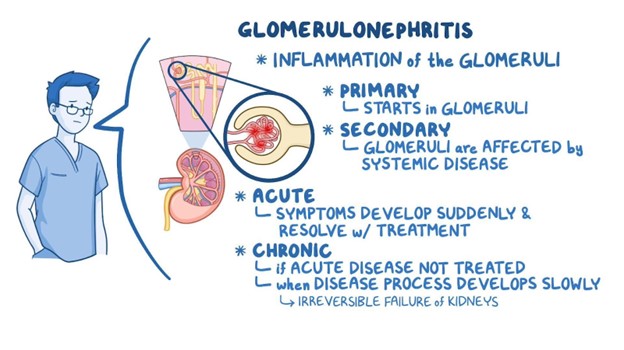
A nurse is caring for a child who has acute glomerulonephritis. Which of the following actions is the nurse's priority?
A. Maintain a saline-lock.
Maintaining a saline lock is important for potential intravenous access, but it is not the most urgent priority compared to actions that directly monitor the child's condition and help manage the disease.
B. Check the child's day weight
Monitoring daily weight is crucial in acute glomerulonephritis, as it helps assess fluid balance and detect early signs of fluid retention or worsening kidney function, which are key concerns in this condition. This makes it a priority action.
C. Place the child on a no-salt-added diet.
While dietary modifications can be important for managing various health conditions, including kidney issues, this is not the top priority in this situation. Reducing salt intake can help manage fluid retention, but it is not the nurse's priority action at this moment.
D. Educate the parents about potential complications
Patient education is crucial, especially in chronic conditions, but in this acute care scenario, the nurse's immediate priority is to address the child's needs. Educating parents about potential complications should be done, but it's not the most immediate action.
Full Explanation
A. Maintain a saline-lock:
Maintaining a saline lock is important for potential intravenous access, but it is not the most urgent priority compared to actions that directly monitor the child's condition and help manage the disease.
B. Check the child's daily weight:
Monitoring daily weight is crucial in acute glomerulonephritis, as it helps assess fluid balance and detect early signs of fluid retention or worsening kidney function, which are key concerns in this condition. This makes it a priority action.
C. Place the child on a no-salt-added diet:
While dietary modifications can be important for managing various health conditions, including kidney issues, this is not the top priority in this situation. Reducing salt intake can help manage fluid retention, but it is not the nurse's priority action at this moment.
D. Educate the parents about potential complications:
Patient education is crucial, especially in chronic conditions, but in this acute care scenario, the nurse's immediate priority is to address the child's needs. Educating parents about potential complications should be done, but it's not the most immediate action.
A nurse is reviewing the laboratory results of an adolescent who has chronic glomerulonephritis. Which of the following findings should the nurse expect?
A. Absence of proteinuria
Chronic glomerulonephritis often involves damage to the glomeruli in the kidneys, which can lead to the leakage of protein into the urine, resulting in proteinuria. The absence of proteinuria would be an unexpected finding in a patient with chronic glomerulonephritis. Therefore, this choice is incorrect.
B. Serum phosphorus 4.0 mg/dL (within expected refernce range)
Serum phosphorus levels within the expected reference range are not directly related to chronic glomerulonephritis. While abnormalities in electrolyte levels might occur due to kidney dysfunction, serum phosphorus within the normal range is not a hallmark finding of glomerulonephritis. Therefore, this choice is incorrect.
C. serum potassium 3.8 mEq/L within the expected reference range)
Similar to serum phosphorus, serum potassium levels within the normal range are not specific to chronic glomerulonephritis. Kidney dysfunction can indeed affect electrolyte levels, but a serum potassium level within the normal range doesn't provide specific information about glomerulonephritis. Therefore, this choice is incorrect.
D. BUN 50 mg/dL (elevated)
BUN 50 mg/dL (elevated):Blood Urea Nitrogen (BUN) is a waste product that is filtered by the kidneys. Elevated BUN levels indicate impaired kidney function, as the kidneys are less efficient at filtering and excreting waste products. Chronic glomerulonephritis can lead to progressive kidney damage, which can result in elevated BUN levels due to decreased filtration and clearance. Therefore, an elevated BUN level is an expected finding in a patient with chronic glomerulonephritis.
Full Explanation
A) Absence of proteinuria:
Chronic glomerulonephritis often involves damage to the glomeruli in the kidneys, which can lead to the leakage of protein into the urine, resulting in proteinuria. The absence of proteinuria would be an unexpected finding in a patient with chronic glomerulonephritis. Therefore, this choice is incorrect.
B) Serum phosphorus 4.0 mg/dL (within expected reference range):
Serum phosphorus levels within the expected reference range are not directly related to chronic glomerulonephritis. While abnormalities in electrolyte levels might occur due to kidney dysfunction, serum phosphorus within the normal range is not a hallmark finding of glomerulonephritis. Therefore, this choice is incorrect.
C) Serum potassium 3.8 mEq/L (within the expected reference range):
Similar to serum phosphorus, serum potassium levels within the normal range are not specific to chronic glomerulonephritis. Kidney dysfunction can indeed affect electrolyte levels, but a serum potassium level within the normal range doesn't provide specific information about glomerulonephritis. Therefore, this choice is incorrect.
D) BUN 50 mg/dL (elevated):
Blood Urea Nitrogen (BUN) is a waste product that is filtered by the kidneys. Elevated BUN levels indicate impaired kidney function, as the kidneys are less efficient at filtering and excreting waste products. Chronic glomerulonephritis can lead to progressive kidney damage, which can result in elevated BUN levels due to decreased filtration and clearance. Therefore, an elevated BUN level is an expected finding in a patient with chronic glomerulonephritis.
A toddler diagnosed with nephrotic syndrome has a nursing diagnosis of excess fluid related to fluid accumulation (generalized edema). Which nursing intervention would be the priority to include in the nursing plan of care?
A. Seizure Precautions
While seizure precautions are important in certain clinical situations, they are not directly related to the excess fluid and generalized edema associated with nephrotic syndrome. Nephrotic syndrome is primarily characterized by proteinuria, hypoalbuminemia, and fluid retention, which can lead to edema. Seizure precautions would not directly address the fluid imbalance in this context.
B. Ambulation
Ambulation involves walking or movement and is not a priority intervention for addressing excess fluid and generalized edema. The primary concern in nephrotic syndrome with fluid accumulation is to manage the fluid balance and prevent further complications related to edema, such as respiratory distress or compromised circulation.
C. Daily weight
This is the correct priority intervention. Daily weight monitoring is crucial in managing fluid balance and assessing the effectiveness of treatment in a child with nephrotic syndrome and fluid accumulation. Sudden weight gain can indicate worsening edema, while weight loss might indicate a response to treatment. Daily weight monitoring provides essential information to adjust fluid and medication management accordingly.
D. Keep bed position flat
While maintaining a flat bed position may help improve venous return and fluid distribution, it is not the priority intervention for managing excess fluid and generalized edema in a child with nephrotic syndrome. Monitoring daily weight and adjusting treatment based on weight changes are more directly related to addressing the fluid imbalance.
Full Explanation
A) Seizure Precautions:
While seizure precautions are important in certain clinical situations, they are not directly related to the excess fluid and generalized edema associated with nephrotic syndrome. Nephrotic syndrome is primarily characterized by proteinuria, hypoalbuminemia, and fluid retention, which can lead to edema. Seizure precautions would not directly address the fluid imbalance in this context.
B) Ambulation:
Ambulation involves walking or movement and is not a priority intervention for addressing excess fluid and generalized edema. The primary concern in nephrotic syndrome with fluid accumulation is to manage the fluid balance and prevent further complications related to edema, such as respiratory distress or compromised circulation.
C) Daily weight:
This is the correct priority intervention. Daily weight monitoring is crucial in managing fluid balance and assessing the effectiveness of treatment in a child with nephrotic syndrome and fluid accumulation. Sudden weight gain can indicate worsening edema, while weight loss might indicate a response to treatment. Daily weight monitoring provides essential information to adjust fluid and medication management accordingly.
D) Keep bed position flat:
While maintaining a flat bed position may help improve venous return and fluid distribution, it is not the priority intervention for managing excess fluid and generalized edema in a child with nephrotic syndrome. Monitoring daily weight and adjusting treatment based on weight changes are more directly related to addressing the fluid imbalance.