
Nursing practice questions with comprehensive rationales
NurseDive Free Nursing Practice Question
What is albuterol (Proventil) used to treat?
A. Acute allergies
Albuterol is not used to treat acute allergies. It is a bronchodilator that relaxes the smooth muscles of the airways and improves airflow. Antihistamines are the drugs of choice for acute allergies.
B. Nasal congestion
Albuterol is not used to treat nasal congestion. It is a bronchodilator that acts on the lungs, not the nose. Decongestants are the drugs of choice for nasal congestion.
C. Dyspnea on exertion
Albuterol is not used to treat dyspnea on exertion. It is a bronchodilator that is used for acute or chronic respiratory conditions, such as asthma or chronic obstructive pulmonary disease (COPD). Dyspnea on exertion is a symptom of various cardiac or pulmonary disorders that require further evaluation and treatment.
D. Acute bronchospasm
Albuterol is used to treat acute bronchospasm. It is a bronchodilator that quickly relieves the symptoms of bronchoconstriction, such as wheezing, coughing, and shortness of breath. It is often prescribed as a rescue inhaler for patients with asthma or COPD.
This question is an excerpt from Nurse Dive's nursing test bank - South Merit college Patho-pharmacology Proctored Exam. Take the full exam now
Full Explanation
Choice A reason: Albuterol is not used to treat acute allergies. It is a bronchodilator that relaxes the smooth muscles of the airways and improves airflow. Antihistamines are the drugs of choice for acute allergies.
Choice B reason: Albuterol is not used to treat nasal congestion. It is a bronchodilator that acts on the lungs, not the nose. Decongestants are the drugs of choice for nasal congestion.
Choice C reason: Albuterol is not used to treat dyspnea on exertion. It is a bronchodilator that is used for acute or chronic respiratory conditions, such as asthma or chronic obstructive pulmonary disease (COPD). Dyspnea on exertion is a symptom of various cardiac or pulmonary disorders that require further evaluation and treatment.
Choice D reason: Albuterol is used to treat acute bronchospasm. It is a bronchodilator that quickly relieves the symptoms of bronchoconstriction, such as wheezing, coughing, and shortness of breath. It is often prescribed as a rescue inhaler for patients with asthma or COPD.
Similar Questions
The nurse is explaining to a patient how ACE inhibitors affect blood pressure. Which statement accurately describes the action of these medications?
A. They lower heart rate.
ACE inhibitors do not lower heart rate. They lower blood pressure by blocking the conversion of angiotensin I to angiotensin II, which is a potent vasoconstrictor. Beta blockers are the drugs that lower heart rate and blood pressure.
B. They inhibit vasoconstriction.
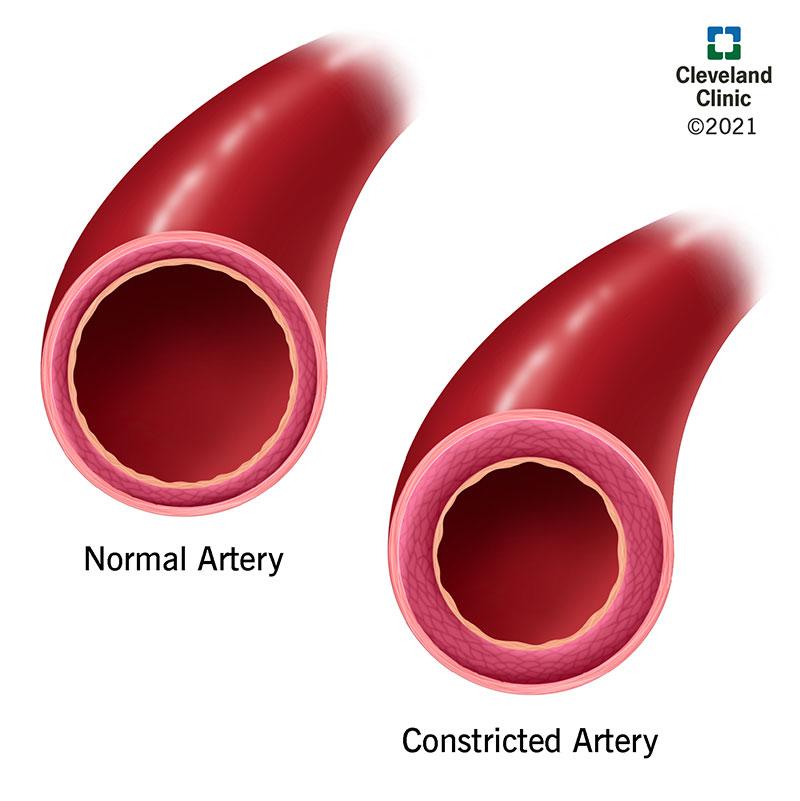
ACE inhibitors inhibit vasoconstriction. This is the correct statement that describes the action of these medications. By blocking the angiotensin II formation, they prevent the narrowing of the blood vessels and reduce the resistance to blood flow.
C. They increase aldosterone secretion.
ACE inhibitors do not increase aldosterone secretion. They decrease it. Aldosterone is a hormone that causes the kidneys to retain sodium and water, which increases blood volume and pressure. By blocking the angiotensin II formation, ACE inhibitors reduce the stimulation of aldosterone secretion and promote sodium and water excretion.
D. They promote sodium retention.
ACE inhibitors do not promote sodium retention. They promote sodium excretion. As explained above, ACE inhibitors reduce the aldosterone secretion and prevent the kidneys from reabsorbing sodium and water. This lowers the blood volume and pressure.
Full Explanation
Choice A reason: ACE inhibitors do not lower heart rate. They lower blood pressure by blocking the conversion of angiotensin I to angiotensin II, which is a potent vasoconstrictor. Beta blockers are the drugs that lower heart rate and blood pressure.
Choice B reason: ACE inhibitors inhibit vasoconstriction. This is the correct statement that describes the action of these medications. By blocking the angiotensin II formation, they prevent the narrowing of the blood vessels and reduce the resistance to blood flow.
Choice C reason: ACE inhibitors do not increase aldosterone secretion. They decrease it. Aldosterone is a hormone that causes the kidneys to retain sodium and water, which increases blood volume and pressure. By blocking the angiotensin II formation, ACE inhibitors reduce the stimulation of aldosterone secretion and promote sodium and water excretion.
Choice D reason: ACE inhibitors do not promote sodium retention. They promote sodium excretion. As explained above, ACE inhibitors reduce the aldosterone secretion and prevent the kidneys from reabsorbing sodium and water. This lowers the blood volume and pressure.
A patient with type 1 diabetes was prescribed a glucocorticoid for COPD. Which will the nurse expect in this patient?
A. No change in blood sugar
Glucocorticoids can cause an increase in blood sugar by stimulating gluconeogenesis and inhibiting insulin action. Therefore, a patient with type 1 diabetes who is taking glucocorticoids will not have no change in blood sugar, but rather a rise in blood sugar.
B. A decrease in the blood pressure
Glucocorticoids can cause an increase in blood pressure by promoting sodium and water retention and increasing vascular reactivity. Therefore, a patient with type 1 diabetes who is taking glucocorticoids will not have a decrease in the blood pressure, but rather a possible increase in the blood pressure.
C. An increase in the blood sugar
Glucocorticoids can cause an increase in blood sugar by stimulating gluconeogenesis and inhibiting insulin action. Therefore, a patient with type 1 diabetes who is taking glucocorticoids will have an increase in blood sugar. This is the correct statement that describes the expected effect of glucocorticoids in this patient.
D. An increase in the need for carbohydrates
Glucocorticoids can cause an increase in blood sugar by stimulating gluconeogenesis and inhibiting insulin action. Therefore, a patient with type 1 diabetes who is taking glucocorticoids will not have an increase in the need for carbohydrates, but rather a need for more insulin to control the blood sugar.
Full Explanation
Choice A reason: Glucocorticoids can cause an increase in blood sugar by stimulating gluconeogenesis and inhibiting insulin action. Therefore, a patient with type 1 diabetes who is taking glucocorticoids will not have no change in blood sugar, but rather a rise in blood sugar.
Choice B reason: Glucocorticoids can cause an increase in blood pressure by promoting sodium and water retention and increasing vascular reactivity. Therefore, a patient with type 1 diabetes who is taking glucocorticoids will not have a decrease in the blood pressure, but rather a possible increase in the blood pressure.
Choice C reason: Glucocorticoids can cause an increase in blood sugar by stimulating gluconeogenesis and inhibiting insulin action. Therefore, a patient with type 1 diabetes who is taking glucocorticoids will have an increase in blood sugar. This is the correct statement that describes the expected effect of glucocorticoids in this patient.
Choice D reason: Glucocorticoids can cause an increase in blood sugar by stimulating gluconeogenesis and inhibiting insulin action. Therefore, a patient with type 1 diabetes who is taking glucocorticoids will not have an increase in the need for carbohydrates, but rather a need for more insulin to control the blood sugar.
Which agent is preferred for the initial treatment of heart failure?
A. Vasodilators
Vasodilators are not the preferred agents for the initial treatment of heart failure. They are used as adjunctive therapy to reduce the afterload and preload on the heart. However, they do not address the fluid overload that is the main cause of heart failure symptoms.
B. Diuretics
Diuretics are the preferred agents for the initial treatment of heart failure. They help to reduce the fluid overload and congestion in the lungs and peripheral tissues. They also lower the blood pressure and improve the cardiac output and renal function.
C. Calcium channel blockers
Calcium channel blockers are not the preferred agents for the initial treatment of heart failure. They are contraindicated in most cases of heart failure because they can worsen the cardiac function and increase the mortality. They can also cause peripheral edema and hypotension.
D. Direct renin inhibitor
Direct renin inhibitors are not the preferred agents for the initial treatment of heart failure. They are a newer class of drugs that block the renin-angiotensin-aldosterone system (RAAS), which is involved in the pathophysiology of heart failure. However, they have not shown any significant benefit over the existing RAAS inhibitors, such as angiotensin-converting enzyme (ACE) inhibitors or angiotensin receptor blockers (ARBs). They can also cause hyperkalemia and renal impairment.
Full Explanation
Choice A reason: Vasodilators are not the preferred agents for the initial treatment of heart failure. They are used as adjunctive therapy to reduce the afterload and preload on the heart. However, they do not address the fluid overload that is the main cause of heart failure symptoms.
Choice B reason: Diuretics are the preferred agents for the initial treatment of heart failure. They help to reduce the fluid overload and congestion in the lungs and peripheral tissues. They also lower the blood pressure and improve the cardiac output and renal function.
Choice C reason: Calcium channel blockers are not the preferred agents for the initial treatment of heart failure. They are contraindicated in most cases of heart failure because they can worsen the cardiac function and increase the mortality. They can also cause peripheral edema and hypotension.
Choice D reason: Direct renin inhibitors are not the preferred agents for the initial treatment of heart failure. They are a newer class of drugs that block the renin-angiotensin-aldosterone system (RAAS), which is involved in the pathophysiology of heart failure. However, they have not shown any significant benefit over the existing RAAS inhibitors, such as angiotensin-converting enzyme (ACE) inhibitors or angiotensin receptor blockers (ARBs). They can also cause hyperkalemia and renal impairment.