
Nursing practice questions with comprehensive rationales
NurseDive Free Nursing Practice Question
What is the nurse's priority intervention for a client undergoing a total laryngectomy?
A. Explain the techniques of esophageal speech.
Choice A is wrong because explaining the techniques of esophageal speech is not the priority intervention for a client undergoing a total laryngectomy.
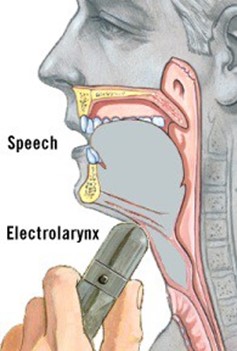
B. Review the use of an artificial larynx with the client.
This is the nurse’s priority intervention for a client undergoing a total laryngectomy because it is important for the client to understand how to use an artificial larynx to communicate after the surgery.
C. Determine the client's reading ability.
Choice C is wrong because determining the client’s reading ability is not the priority intervention for a client undergoing a total laryngectomy.
D. Schedule a support session for the client.
Choice D is wrong because scheduling a support session for the client is not the priority intervention for a client undergoing a total laryngectomy.
This question is an excerpt from Nurse Dive's nursing test bank - ATI RN Fundamentals 2019 with NGN Proctored Exam. Take the full exam now
Full Explanation
This is the nurse’s priority intervention for a client undergoing a total laryngectomy because it is important for the client to understand how to use an artificial larynx to communicate after the surgery.
Choice A is wrong because explaining the techniques of esophageal speech is not the priority intervention for a client undergoing a total laryngectomy.
Choice C is wrong because determining the client’s reading ability is not the priority intervention for a client undergoing a total laryngectomy.
Choice D is wrong because scheduling a support session for the client is not the priority intervention for a client undergoing a total laryngectomy.
Similar Questions
What tort is committed by an assistive personnel who threatens to put a client in restraints for not following a provider's prescription for strict bed rest?
A. Assault.
This tort is committed by an assistive personnel who threatens to put a client in restraints for not following a provider’s prescription for strict bed rest because assault is defined as an intentional act that causes another person to fear that they will be harmed.
B. Defamation of character.
Choice B is wrong because defamation of character is not the tort committed in this situation. Defamation of character involves making false statements that harm another person’s reputation.
C. False imprisonment.
Choice C is wrong because false imprisonment is not the tort committed in this situation. False imprisonment involves intentionally restricting another person’s freedom of movement without their consent.
D. Battery.
Choice D is wrong because the battery is not the tort committed in this situation. Battery involves intentionally touching another person in a harmful or offensive manner without their consent.
Full Explanation
This tort is committed by an assistive personnel who threatens to put a client in restraints for not following a provider’s prescription for strict bed rest because assault is defined as an intentional act that causes another person to fear that they will be harmed.
Choice B is wrong because defamation of character is not the tort committed in this situation.
Defamation of character involves making false statements that harm another person’s reputation.
Choice C is wrong because false imprisonment is not the tort committed in this situation.
False imprisonment involves intentionally restricting another person’s freedom of movement without their consent.
Choice D is wrong because the battery is not the tort committed in this situation.
Battery involves intentionally touching another person in a harmful or offensive manner without their consent.
How should the nurse record the net fluid intake for a client who received 0.9% sodium chloride 600 mL IV infusion, cefazolin 250 mg in dextrose 5% in water 100 mL intermittent IV bolus, 200 mL emesis, 40 mL voided urine, and 20 mL urine from straight catheterization?
A. 620 mL.
Step 1: Calculate the total fluid intake. The client received 0.9% sodium chloride 600 mL IV infusion and cefazolin 250 mg in dextrose 5% in water 100 mL intermittent IV bolus. So, the total fluid intake is 600 mL + 100 mL = 700 mL. Step 2: Calculate the total fluid output. The client had 200 mL emesis, 40 mL voided urine, and 20 mL urine from straight catheterization. So, the total fluid output is 200 mL + 40 mL + 20 mL = 260 mL. Step 3: Calculate the net fluid intake. The net fluid intake is the total fluid intake minus the total fluid output. So, the net fluid intake is 700 mL - 260 mL = 440 mL. Therefore, the nurse should record the net fluid intake as 440 mL.
B. 460 mL.
Step 1: Calculate the total fluid intake. The client received 0.9% sodium chloride 600 mL IV infusion and cefazolin 250 mg in dextrose 5% in water 100 mL intermittent IV bolus. So, the total fluid intake is 600 mL + 100 mL = 700 mL. Step 2: Calculate the total fluid output. The client had 200 mL emesis, 40 mL voided urine, and 20 mL urine from straight catheterization. So, the total fluid output is 200 mL + 40 mL + 20 mL = 260 mL. Step 3: Calculate the net fluid intake. The net fluid intake is the total fluid intake minus the total fluid output. So, the net fluid intake is 700 mL - 260 mL = 440 mL. Therefore, the nurse should record the net fluid intake as 440 mL.
C. 520 mL.
Step 1: Calculate the total fluid intake. The client received 0.9% sodium chloride 600 mL IV infusion and cefazolin 250 mg in dextrose 5% in water 100 mL intermittent IV bolus. So, the total fluid intake is 600 mL + 100 mL = 700 mL. Step 2: Calculate the total fluid output. The client had 200 mL emesis, 40 mL voided urine, and 20 mL urine from straight catheterization. So, the total fluid output is 200 mL + 40 mL + 20 mL = 260 mL. Step 3: Calculate the net fluid intake. The net fluid intake is the total fluid intake minus the total fluid output. So, the net fluid intake is 700 mL - 260 mL = 440 mL. Therefore, the nurse should record the net fluid intake as 440 mL.
D. 440 mL.
Step 1: Calculate the total fluid intake. The client received 0.9% sodium chloride 600 mL IV infusion and cefazolin 250 mg in dextrose 5% in water 100 mL intermittent IV bolus. So, the total fluid intake is 600 mL + 100 mL = 700 mL. Step 2: Calculate the total fluid output. The client had 200 mL emesis, 40 mL voided urine, and 20 mL urine from straight catheterization. So, the total fluid output is 200 mL + 40 mL + 20 mL = 260 mL. Step 3: Calculate the net fluid intake. The net fluid intake is the total fluid intake minus the total fluid output. So, the net fluid intake is 700 mL - 260 mL = 440 mL. Therefore, the nurse should record the net fluid intake as 440 mL.
Full Explanation
Step 1: Calculate the total fluid intake. The client received 0.9% sodium chloride 600 mL IV infusion and cefazolin 250 mg in dextrose 5% in water 100 mL intermittent IV bolus. So, the total fluid intake is 600 mL + 100 mL = 700 mL.
Step 2: Calculate the total fluid output. The client had 200 mL emesis, 40 mL voided urine, and 20 mL urine from straight catheterization. So, the total fluid output is 200 mL + 40 mL + 20 mL = 260 mL.
Step 3: Calculate the net fluid intake. The net fluid intake is the total fluid intake minus the total fluid output. So, the net fluid intake is 700 mL - 260 mL = 440 mL.
Therefore, the nurse should record the net fluid intake as 440 mL.
What findings should the nurse expect when assessing an older adult client?
A. Heightened sense of pain.
Choice A is wrong because older adults may actually have a decreased sense of pain.
B. Increased nighttime sleeping.
Choice B is wrong because older adults may experience changes in their sleep patterns, including difficulty falling asleep or staying asleep.
C. Decreased sense of balance.
As people age, they may experience a decrease in their sense of balance. This can increase the risk of falls and injuries.
D. Nighttime urinary incontinence.
Choice D is wrong because while urinary incontinence can be a common issue among older adults, it is not limited to nighttime.
Full Explanation
As people age, they may experience a decrease in their sense of balance. This can increase the risk of falls and injuries.
Choice A is wrong because older adults may actually have a decreased sense of pain.
Choice B is wrong because older adults may experience changes in their sleep patterns, including difficulty falling asleep or staying asleep.
Choice D is wrong because while urinary incontinence can be a common issue among older adults, it is not limited to nighttime.