Nursing practice questions with comprehensive rationales
NurseDive Free Nursing Practice Question
When caring for a client with diabetes insipidus who is receiving antidiuretic hormone intranasally, which serum lab test is most important for the nurse to monitor?
A. Platelets
B. Glucose
C. Osmolality
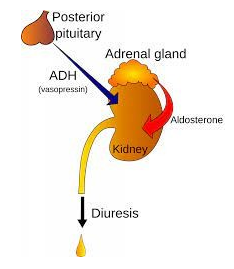
Diabetes insipidus is a condition in which the kidneys are unable to conserve water, leading to excessive thirst and urination. It is treated with antidiuretic hormone (ADH), which helps the kidneys retain water and reduce urine output. When caring for a client with diabetes insipidus who is receiving ADH intranasally, it is important for the nurse to monitor the client’s serum osmolality. Osmolality is a measure of the concentration of particles in a solution and can provide information about the client’s hydration status. Monitoring serum osmolality can help determine if the ADH therapy is effective in managing the client’s diabetes insipidus.
D. Calcium
This question is an excerpt from Nurse Dive's nursing test bank - HESI Pharmacology Proctored Exam. Take the full exam now
Full Explanation
Diabetes insipidus is a condition in which the kidneys are unable to conserve water, leading to excessive thirst and urination. It is treated with antidiuretic hormone (ADH), which helps the kidneys retain water and reduce urine output. When caring for a client with diabetes insipidus who is receiving ADH intranasally, it is important for the nurse to monitor the client’s serum osmolality.
Osmolality is a measure of the concentration of particles in a solution and can provide information about the client’s hydration status.
Monitoring serum osmolality can help determine if the ADH therapy is effective in managing the client’s diabetes insipidus.
Similar Questions
The nurse is planning to administer the antiulcer GI agent sucralfate to a client with a peptic ulcer disease. Which action should the nurse include in this client’s plan of care?
A. Administer sucralfate once a day, preferably at bedtime.
B. Asses for secondary candida infection.
C. Monitor for electrolyte imbalance.
D. Give sucralfate on an empty stomach.
Sucralfate is a medication used to treat and prevent the return of duodenal ulcers. It is important to take sucralfate on an empty stomach, either 1 hour before meals or 2 hours after meals. This allows the medication to work effectively by sticking to damaged ulcer tissue and protecting against acid and enzymes so healing can occur.
Full Explanation
Sucralfate is a medication used to treat and prevent the return of duodenal ulcers. It is important to take sucralfate on an empty stomach, either 1 hour before meals or 2 hours after meals. This allows the medication to work effectively by sticking to damaged ulcer tissue and protecting against acid and enzymes so healing can occur.

Two months after taking nitrofurantoin for a bacterial infection, a client reports the onset of severe, watery diarrhea to the home care nurse. How should the nurse respond?
A. Determine if the full course of the initial prescription of medication was taken.
Option a is important to consider, but it does not address the potential adverse effect of the medication.
B. Explain that the diarrhea may be an adverse effect that requires further evaluation.
Nitrofurantoin is an antibiotic commonly used to treat urinary tract infections. One of the adverse effects of nitrofurantoin is diarrhea, which may be severe and watery. Therefore, it is important for the home care nurse to inform the client that the diarrhea may be a side effect of the medication and requires further evaluation. The nurse should instruct the client to stop taking the medication and contact their healthcare provider for further assessment and treatment. The nurse should also assess the client's fluid and electrolyte status and monitor for signs of dehydration.
C. Offer instructions about the use of an over-the-counter antidiarrheal medication.
Option c may be appropriate in some cases, but it is not the priority intervention at this time.
D. advise that the infection has returned, and additional medication will be needed.
Option d is not necessarily true and may cause unnecessary alarm to the client.
Full Explanation
Nitrofurantoin is an antibiotic commonly used to treat urinary tract infections. One of the adverse effects of nitrofurantoin is diarrhea, which may be severe and watery. Therefore, it is important for the home care nurse to inform the client that the diarrhea may be a side effect of the medication and requires further evaluation. The nurse should instruct the client to stop taking the medication and contact their healthcare provider for further assessment and treatment. The nurse should also assess the client's fluid and electrolyte status and monitor for signs of dehydration.
Option a is important to consider, but it does not address the potential adverse effect of the medication.
Option c may be appropriate in some cases, but it is not the priority intervention at this time.
Option d is not necessarily true and may cause unnecessary alarm to the client.

An elderly client with heart failure comet to the emergency room because of nausea, vomiting, and anorexia. Based on the client’s signs and symptoms, which data from the medical history has the most significance when planning this client’s care?
A. A coronary artery bypass procedure was performed in 1995.
B. Suffered with depression following death of spouse in 1999.
C. Digoxin and furosemide daily since 1996.
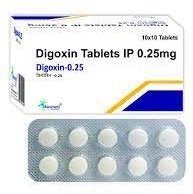
Digoxin is a medication commonly used to treat heart failure by strengthening the heart's contractions and slowing down the heart rate. However, it can also cause nausea, vomiting, and loss of appetite, especially when levels in the body are too high. Furosemide is a diuretic medication that helps to remove excess fluid from the body, which is often necessary in heart failure. However, it can also cause electrolyte imbalances, such as low potassium levels, which can contribute to nausea and vomiting. Therefore, in a client with heart failure who is experiencing these symptoms, it is important to assess their medication regimen, including dosages and serum levels, to ensure that they are not experiencing medication side effects or toxicity. Adjustments may need to be made to the client's medication regimen to manage symptoms effectively and prevent further complications. Options (a), (b), and (d) do not have as direct a correlation to the current symptoms and would not have the same level of significance when planning care for this client.
D. A Colonoscopy was performed for routine screening six months ago.
Full Explanation
Digoxin is a medication commonly used to treat heart failure by strengthening the heart's contractions and slowing down the heart rate. However, it can also cause nausea, vomiting, and loss of appetite, especially when levels in the body are too high. Furosemide is a diuretic medication that helps to remove excess fluid from the body, which is often necessary in heart failure. However, it can also cause electrolyte imbalances, such as low potassium levels, which can contribute to nausea and vomiting.
Therefore, in a client with heart failure who is experiencing these symptoms, it is important to assess their medication regimen, including dosages and serum levels, to ensure that they are not experiencing medication side effects or toxicity.
Adjustments may need to be made to the client's medication regimen to manage symptoms effectively and prevent further complications. Options (a), (b), and (d) do not have as direct a correlation to the current symptoms and would not have the same level of significance when planning care for this client.