
Nursing practice questions with comprehensive rationales
NurseDive Free Nursing Practice Question
When conducting a physical examination of a client with generalized muscle weakness, which of the following is the PRIORITY for the nurse?
A. Draping body areas that are not being assessed.
Draping body areas that are not being assessed is important for maintaining the client's privacy and comfort, but it is not the highest priority when dealing with a client with generalized muscle weakness. The primary concern is to prevent further strain or injury during the examination.
B. Limit position changes as much as possible.
Limiting position changes as much as possible is the priority when examining a client with generalized muscle weakness. Frequent or unnecessary movements can cause fatigue, discomfort, and may even be unsafe if the client has severely compromised muscle strength. The nurse should plan the examination to minimize the number of times the client needs to change positions.
C. Hand-washing throughout the exam.
Hand-washing throughout the exam is a standard practice to prevent the spread of infection. While it is crucial for both the client's and the nurse's safety, in the context of a client with generalized muscle weakness, the priority is to conduct the exam in a way that does not exacerbate the client's condition.
D. Using alcohol swabs to clean the stethoscope.
Using alcohol swabs to clean the stethoscope before and after the exam is also a standard infection control practice. However, it is not the most immediate concern when prioritizing the steps of a physical examination for a client with muscle weakness.
This question is an excerpt from Nurse Dive's nursing test bank - Ati Fundamentals Assessment Proctored Exam Midterm. Take the full exam now
Full Explanation
Choice a reason:
Draping body areas that are not being assessed is important for maintaining the client's privacy and comfort, but it is not the highest priority when dealing with a client with generalized muscle weakness. The primary concern is to prevent further strain or injury during the examination.
Choice b reason:
Limiting position changes as much as possible is the priority when examining a client with generalized muscle weakness. Frequent or unnecessary movements can cause fatigue, discomfort, and may even be unsafe if the client has severely compromised muscle strength. The nurse should plan the examination to minimize the number of times the client needs to change positions.
Choice c reason:
Hand-washing throughout the exam is a standard practice to prevent the spread of infection. While it is crucial for both the client's and the nurse's safety, in the context of a client with generalized muscle weakness, the priority is to conduct the exam in a way that does not exacerbate the client's condition.
Choice d reason:
Using alcohol swabs to clean the stethoscope before and after the exam is also a standard infection control practice. However, it is not the most immediate concern when prioritizing the steps of a physical examination for a client with muscle weakness.
Similar Questions
A nurse is performing a respiratory system physical examination. To assess the resonance of voice sounds heard during auscultation of the lungs, the nurse instructs the patient to say "ee," and if the sound is heard as "ay," this is known as:
A. Bronchovesicular sound
Bronchovesicular sounds are normal breath sounds heard over the main bronchus area and over the upper right posterior lung field. They have a medium pitch and intensity and are heard on both inspiration and expiration. Bronchovesicular sounds do not involve the change of vowel sounds during auscultation.
B. Bronchophony
Bronchophony is the term used when the voice sounds are more clear and louder over the chest wall, usually indicating lung consolidation. However, it does not specifically refer to the change of vowel sounds from "ee" to "ay."
C. Normal voice resonance
Normal voice resonance is when voice sounds heard through auscultation are muffled and indistinct. It does not involve a clear change in vowel sounds, which is what occurs with egophony.
D. Egophony
Egophony is characterized by the change of the "ee" vowel sound to a nasal "ay" or "a" sound when auscultating the lungs. This phenomenon typically suggests lung consolidation, as might be seen with pneumonia.
Full Explanation
Choice a reason:
Bronchovesicular sounds are normal breath sounds heard over the main bronchus area and over the upper right posterior lung field. They have a medium pitch and intensity and are heard on both inspiration and expiration. Bronchovesicular sounds do not involve the change of vowel sounds during auscultation.
Choice b reason:
Bronchophony is the term used when the voice sounds are more clear and louder over the chest wall, usually indicating lung consolidation. However, it does not specifically refer to the change of vowel sounds from "ee" to "ay."
Choice c reason:
Normal voice resonance is when voice sounds heard through auscultation are muffled and indistinct. It does not involve a clear change in vowel sounds, which is what occurs with egophony.
Choice d reason:
Egophony is characterized by the change of the "ee" vowel sound to a nasal "ay" or "a" sound when auscultating the lungs. This phenomenon typically suggests lung consolidation, as might be seen with pneumonia.
While conducting the health assessment, the nurse instructs the client about secondary prevention activities. What information did the nurse most likely provide to this client?

A. The immunization schedule recommended for the client's age.
Immunization schedules are typically considered a part of primary prevention. They are intended to prevent diseases before they occur by using vaccines to provide immunity against infections.
B. The need for regular mammogram screening to identify breast cancer lesions.
Regular mammogram screenings are a form of secondary prevention. They are used to detect breast cancer lesions early before symptoms appear, which can lead to more effective treatment and better outcomes.
C. The need for consistent use of seat belts when in a motor vehicle.
The consistent use of seat belts is a primary prevention strategy. It is a proactive measure to prevent injuries in the event of a motor vehicle accident.
D. The impact of annual vision examinations on personal health and safety.
Annual vision examinations can be considered part of secondary prevention if they are used to detect vision problems or eye diseases in their early stages. However, they can also be seen as primary prevention because they help maintain and protect eye health before issues arise.
Full Explanation
Choice a reason:
Immunization schedules are typically considered a part of primary prevention. They are intended to prevent diseases before they occur by using vaccines to provide immunity against infections.
Choice b reason:
Regular mammogram screenings are a form of secondary prevention. They are used to detect breast cancer lesions early before symptoms appear, which can lead to more effective treatment and better outcomes.
Choice c reason:
The consistent use of seat belts is a primary prevention strategy. It is a proactive measure to prevent injuries in the event of a motor vehicle accident.
Choice d reason:
Annual vision examinations can be considered part of secondary prevention if they are used to detect vision problems or eye diseases in their early stages. However, they can also be seen as primary prevention because they help maintain and protect eye health before issues arise.
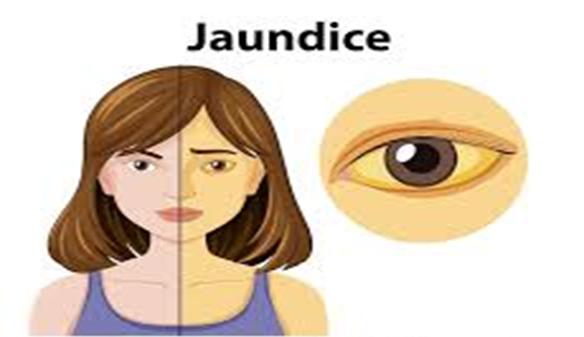
A nurse is assessing a 64-year-old African-American client who has jaundice. The patient has a past medical history of alcoholism and liver cirrhosis. Which of the following areas is the most reliable for the nurse to inspect for jaundice?
A. Conjunctiva
The conjunctiva can sometimes appear yellow in individuals with jaundice; however, it is not the most reliable area to inspect for jaundice. The conjunctiva may be affected by other factors such as environmental irritants or infections, which can alter its appearance.
B. Sclera of the eye
The sclera of the eye is the most reliable area to inspect for jaundice. The yellowing of the sclera, also known as scleral icterus, is a key indicator of jaundice. The sclera's white background provides a clear contrast, making any yellow discoloration more noticeable. This is particularly true in darker-skinned individuals, where skin changes may be less apparent.
C. Back of the neck
The back of the neck is not a reliable area to inspect for jaundice. Skin pigmentation and lighting can affect the visibility of yellowing, making it an unreliable indicator. Additionally, the back of the neck may have other skin changes unrelated to jaundice that could confuse the assessment.
D. Palms of the hands
The palms of the hands are not the most reliable area to inspect for jaundice. While the palms may show yellowing, they are subject to various external factors such as manual labor or exposure to substances that can affect their color. Moreover, the palms' skin may be thicker and less transparent, making subtle changes in color more difficult to detect.
Full Explanation
Choice A Reason:
The conjunctiva can sometimes appear yellow in individuals with jaundice; however, it is not the most reliable area to inspect for jaundice. The conjunctiva may be affected by other factors such as environmental irritants or infections, which can alter its appearance.
Choice B Reason:
The sclera of the eye is the most reliable area to inspect for jaundice. The yellowing of the sclera, also known as scleral icterus, is a key indicator of jaundice. The sclera's white background provides a clear contrast, making any yellow discoloration more noticeable. This is particularly true in darker-skinned individuals, where skin changes may be less apparent.
Choice C Reason:
The back of the neck is not a reliable area to inspect for jaundice. Skin pigmentation and lighting can affect the visibility of yellowing, making it an unreliable indicator. Additionally, the back of the neck may have other skin changes unrelated to jaundice that could confuse the assessment.
Choice D Reason:
The palms of the hands are not the most reliable area to inspect for jaundice. While the palms may show yellowing, they are subject to various external factors such as manual labor or exposure to substances that can affect their color. Moreover, the palms' skin may be thicker and less transparent, making subtle changes in color more difficult to detect.