Nursing practice questions with comprehensive rationales
NurseDive Free Nursing Practice Question
When providing care to a young single woman just diagnosed with acute pelvic inflammatory disease, the nurse should:
A. point out that inappropriate sexual behavior caused the infection.
Pointing out that inappropriate sexual behavior caused the infection is not helpful, as it may make the woman feel guilty, ashamed, or defensive. The nurse should avoid blaming or judging the woman and focus on providing education and support.
B. position the woman in a semi-Fowler position.
Positioning the patient in a semi-Fowler position (head of the bed elevated 30–45 degrees) helps promote drainage of pelvic exudate and reduces the risk of abscess formation or further spread of infection. This is a key nursing intervention for patients with acute pelvic inflammatory disease (PID).
C. tell her that antibiotics need to be taken until pelvic pain is relieved.
Telling her that antibiotics need to be taken until pelvic pain is relieved is incorrect, as it may lead to incomplete treatment and recurrence of the infection. The nurse should instruct the woman to take the full course of antibiotics as prescribed, regardless of the symptoms.
D. explain to the woman that infertility is a likely outcome of this type of infection.
While infertility is a potential complication of PID, it is not a guaranteed outcome. The nurse should provide accurate information about risks but avoid causing unnecessary alarm. The focus should be on prompt treatment and prevention of complications.
This question is an excerpt from Nurse Dive's nursing test bank - Ati Maternal Newborn Midterm Proctored Exam 1. Take the full exam now
Full Explanation
Choice A reason: Pointing out that inappropriate sexual behavior caused the infection is not helpful, as it may make the woman feel guilty, ashamed, or defensive. The nurse should avoid blaming or judging the woman and focus on providing education and support.
Choice B reason: Positioning the patient in a semi-Fowler position (head of the bed elevated 30–45 degrees) helps promote drainage of pelvic exudate and reduces the risk of abscess formation or further spread of infection. This is a key nursing intervention for patients with acute pelvic inflammatory disease (PID).
Choice C reason: Telling her that antibiotics need to be taken until pelvic pain is relieved is incorrect, as it may lead to incomplete treatment and recurrence of the infection. The nurse should instruct the woman to take the full course of antibiotics as prescribed, regardless of the symptoms.
Choice D reason: While infertility is a potential complication of PID, it is not a guaranteed outcome. The nurse should provide accurate information about risks but avoid causing unnecessary alarm. The focus should be on prompt treatment and prevention of complications.
Similar Questions
A nurse teaches a pregnant woman about the presumptive, probable, and positive signs of pregnancy. The woman demonstrates an understanding of the nurse's instructions if she states that a positive sign of pregnancy is:
A. quickening.
Quickening is the first perception of fetal movement by the mother, usually occurring between 16 and 20 weeks of gestation. It is a presumptive sign of pregnancy, as it can be subjective and influenced by other factors such as gas or peristalsis.
B. a positive pregnancy test.
A positive pregnancy test is a probable sign of pregnancy, as it indicates the presence of human chorionic gonadotropin (hCG) in the urine or blood. However, it is not conclusive, as it can be affected by false positives or false negatives, or by other conditions that produce hCG.
C. Braxton Hicks contractions.
Braxton Hicks contractions are irregular, painless uterine contractions that occur throughout pregnancy. They are a probable sign of pregnancy, as they indicate uterine activity and preparation for labor. However, they are not diagnostic, as they can also occur in non-pregnant women or in response to other stimuli.
D. fetal movement palpated by the nurse-midwife.
Fetal movement palpated by the nurse-midwife is a positive sign of pregnancy, as it confirms the presence of a living fetus in the uterus. It is an objective and reliable sign that can be detected by a skilled examiner after 20 weeks of gestation.
Full Explanation
Choice A reason: Quickening is the first perception of fetal movement by the mother, usually occurring between 16 and 20 weeks of gestation. It is a presumptive sign of pregnancy, as it can be subjective and influenced by other factors such as gas or peristalsis.
Choice B reason: A positive pregnancy test is a probable sign of pregnancy, as it indicates the presence of human chorionic gonadotropin (hCG) in the urine or blood. However, it is not conclusive, as it can be affected by false positives or false negatives, or by other conditions that produce hCG.
Choice C reason: Braxton Hicks contractions are irregular, painless uterine contractions that occur throughout pregnancy. They are a probable sign of pregnancy, as they indicate uterine activity and preparation for labor. However, they are not diagnostic, as they can also occur in non-pregnant women or in response to other stimuli.
Choice D reason: Fetal movement palpated by the nurse-midwife is a positive sign of pregnancy, as it confirms the presence of a living fetus in the uterus. It is an objective and reliable sign that can be detected by a skilled examiner after 20 weeks of gestation.
A pregnant woman experiencing nausea and vomiting should:
A. limit fluid intake throughout the day.
Limiting fluid intake throughout the day is not recommended, as dehydration can worsen nausea and vomiting. Instead, pregnant women should sip fluids gradually throughout the day to maintain hydration. Proper hydration supports digestion and helps prevent complications like electrolyte imbalances. Clinical guidelines emphasize the importance of maintaining adequate fluid intake during pregnancy
B. drink a glass of water with a fat-free carbohydrate before getting out of bed in the morning.
Drinking a glass of water with a fat-free carbohydrate before getting out of bed in the morning is a good strategy to prevent nausea and vomiting, as it can stabilize the blood sugar level and prevent an empty stomach. However, it is not the best answer, as it does not address the dietary needs throughout the day.
C. increase her intake of high-fat foods to keep the stomach full and coated.
Increasing the intake of high-fat foods is not recommended, as it can worsen nausea and vomiting. High-fat foods are harder to digest and can cause gastric irritation and reflux. The pregnant woman should choose low-fat, bland, and easy-to-digest foods.
D. eat small, frequent meals (every 2 to 3 hours).
Eating small, frequent meals every 2 to 3 hours is the best approach to managing nausea and vomiting during pregnancy. This strategy helps stabilize blood sugar levels and prevents the stomach from becoming too empty or too full, both of which can trigger nausea. Clinical guidelines widely support this dietary adjustment as a primary intervention for nausea and vomiting in pregnancy
Full Explanation
Choice A reason: Limiting fluid intake throughout the day is not recommended, as dehydration can worsen nausea and vomiting. Instead, pregnant women should sip fluids gradually throughout the day to maintain hydration. Proper hydration supports digestion and helps prevent complications like electrolyte imbalances. Clinical guidelines emphasize the importance of maintaining adequate fluid intake during pregnancy
Choice B reason: Drinking a glass of water with a fat-free carbohydrate before getting out of bed in the morning is a good strategy to prevent nausea and vomiting, as it can stabilize the blood sugar level and prevent an empty stomach. However, it is not the best answer, as it does not address the dietary needs throughout the day.
Choice C reason: Increasing the intake of high-fat foods is not recommended, as it can worsen nausea and vomiting. High-fat foods are harder to digest and can cause gastric irritation and reflux. The pregnant woman should choose low-fat, bland, and easy-to-digest foods.
Choice D reason: Eating small, frequent meals every 2 to 3 hours is the best approach to managing nausea and vomiting during pregnancy. This strategy helps stabilize blood sugar levels and prevents the stomach from becoming too empty or too full, both of which can trigger nausea. Clinical guidelines widely support this dietary adjustment as a primary intervention for nausea and vomiting in pregnancy
A woman with severe preeclampsia is receiving a magnesium sulfate infusion. The nurse becomes concerned after assessment when the woman exhibits:
A. a sleepy, sedated affect.
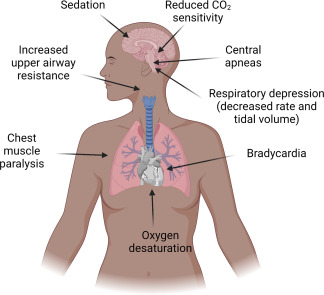
A sleepy, sedated affect is not a concerning sign, as it is a common side effect of magnesium sulfate. Magnesium sulfate is a central nervous system depressant that can cause drowsiness, lethargy, and reduced alertness.
B. absent ankle clonus.
Absent ankle clonus is not a concerning sign, as it indicates a normal neuromuscular response. Ankle clonus is a rhythmic jerking of the foot when the ankle is dorsiflexed. It is a sign of hyperreflexia, which can occur in severe preeclampsia due to increased blood pressure and cerebral edema.
C. a respiratory rate of 10 breaths/min.
A respiratory rate of 10 breaths/min is a concerning sign, as it indicates respiratory depression. This is a serious complication of magnesium sulfate toxicity, which can lead to respiratory arrest and death. The nurse should monitor the woman's respiratory rate closely and report any signs of respiratory distress.
D. deep tendon reflexes of 2+.
Deep tendon reflexes of 2+ are not a concerning sign, as they indicate a normal neuromuscular response. Deep tendon reflexes are graded from 0 to 4, with 2 being the average. Magnesium sulfate can cause hyporeflexia or areflexia, which are signs of magnesium sulfate toxicity.
Full Explanation
Choice A reason: A sleepy, sedated affect is not a concerning sign, as it is a common side effect of magnesium sulfate. Magnesium sulfate is a central nervous system depressant that can cause drowsiness, lethargy, and reduced alertness.
Choice B reason: Absent ankle clonus is not a concerning sign, as it indicates a normal neuromuscular response. Ankle clonus is a rhythmic jerking of the foot when the ankle is dorsiflexed. It is a sign of hyperreflexia, which can occur in severe preeclampsia due to increased blood pressure and cerebral edema.
Choice C reason: A respiratory rate of 10 breaths/min is a concerning sign, as it indicates respiratory depression. This is a serious complication of magnesium sulfate toxicity, which can lead to respiratory arrest and death. The nurse should monitor the woman's respiratory rate closely and report any signs of respiratory distress.
Choice D reason: Deep tendon reflexes of 2+ are not a concerning sign, as they indicate a normal neuromuscular response. Deep tendon reflexes are graded from 0 to 4, with 2 being the average. Magnesium sulfate can cause hyporeflexia or areflexia, which are signs of magnesium sulfate toxicity.