Nursing practice questions with comprehensive rationales
NurseDive Free Nursing Practice Question
When reviewing the admission assessment, the Registered nurse notes that a client was admitted to the mental health unit with involuntarily status. Based on this type of admission, the registered nurse should provide which intervention for this client?
Select one:
A. Monitor closely for opioid overdose.
Option a is more appropriate for a client with a history of opioid use.
B. Monitor closely for harm to a family member.
Option b is more appropriate for a client with a history of violence or aggression towards family members.
C. Monitor closely for severe anxiety and stress.
When a client is admitted with an involuntary status, it means that the client did not consent to the admission and was likely admitted due to being a danger to themselves or others. This can lead to increased stress and anxiety for the client, so the nurse should closely monitor the client for signs of severe anxiety and stress. Options a, b, and d are not appropriate interventions for a client admitted with an involuntary status.
D. Monitor closely for using Methamphetamines.
Option d is more appropriate for a client with a history of methamphetamine use.
This question is an excerpt from Nurse Dive's nursing test bank - Mental Health - Proctored Exam 2. Take the full exam now
Full Explanation
When a client is admitted with an involuntary status, it means that the client did not consent to the admission and was likely admitted due to being a danger to themselves or others. This can lead to increased stress and anxiety for the client, so the nurse should closely monitor the client for signs of severe anxiety and stress.
Options a, b, and d are not appropriate interventions for a client admitted with an involuntary status.
Option a is more appropriate for a client with a history of opioid use.
Option b is more appropriate for a client with a history of violence or aggression towards family members.
Option d is more appropriate for a client with a history of methamphetamine use.
Similar Questions
A nurse is caring for a who requires a crisis intervention for acute anxiety. Which of the following actions is the highest priority?
A. Identify the clients’ coping skills.
B. Determine the cause of the client's anxiety.
C. Ensuring that the client feels safe.
D. Protecting the client from injury
Full Explanation
During a crisis, the client may be at risk of harming themselves or others. The nurse should take steps to ensure the safety of the client and those around them. Once the immediate safety concerns have been addressed, the nurse can then focus on identifying the cause of the client’s anxiety and helping them develop coping skills.
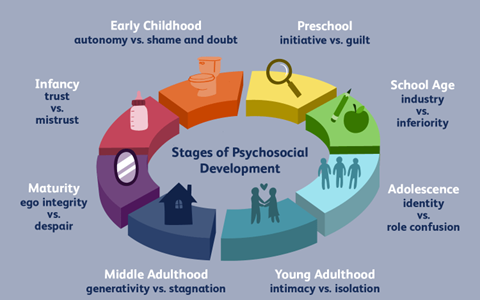
According to Erickson’s Psychological theory of development, chronic illness can interfere with which stage of development in a 6-year-old scholar kid?
A. Trust versus mistrust
B. Autonomy versus shame and doubt.
C. Industry versus inferiority
The Industry versus Inferiority stage occurs during the ages of 6 to 12 years old. At this stage, children start to develop a sense of competence and work towards mastering new skills. Success during this stage leads to a sense of pride, while failure leads to feelings of inferiority. Chronic illness can interfere with a child's ability to develop a sense of competence and mastery, leading to feelings of failure and inferiority. This can have a negative impact on their self-esteem and overall development.
D. Identity versus role confusion.
Full Explanation
The Industry versus Inferiority stage occurs during the ages of 6 to 12 years old. At this stage, children start to develop a sense of competence and work towards mastering new skills. Success during this stage leads to a sense of pride, while failure leads to feelings of inferiority.
Chronic illness can interfere with a child's ability to develop a sense of competence and mastery, leading to feelings of failure and inferiority. This can have a negative impact on their self-esteem and overall development.
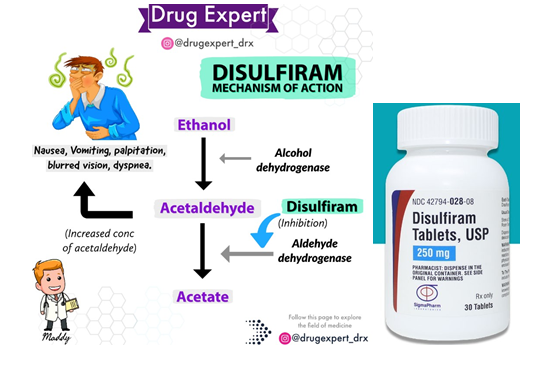
A nurse in a substance abuse clinic is assessing a client who recently started taking disulfiram. The client reports discontinued the medication after experiencing severe nausea and vomiting. Which of the following reasons should the nurse suspect to be a likely cause of the Client’s distress?
A. The client experienced a common side effect to the medication.
Option a is incorrect because nausea and vomiting are not common side effects of disulfiram.
B. The client consumed alcohol while taking the medication.
Disulfiram is a medication used in the treatment of alcohol addiction. It works by causing unpleasant symptoms, such as nausea and vomiting, when alcohol is consumed. This medication is only effective if the client abstains from alcohol consumption while taking it. If the client consumes alcohol while taking disulfiram, they will experience severe adverse effects, including nausea and vomiting, which can be a sign of a severe reaction. Therefore, it is crucial for the nurse to suspect that the client's distress is likely caused by consuming alcohol while taking disulfiram.
C. The client demonstrated an allergic response to the medication.
Option c is incorrect because the question does not provide any information suggesting an allergic reaction.
D. The client took an overdose of the medication.
Option d is incorrect because an overdose of disulfiram would not likely cause nausea and vomiting as severe as those reported by the client.
Full Explanation
Disulfiram is a medication used in the treatment of alcohol addiction. It works by causing unpleasant symptoms, such as nausea and vomiting, when alcohol is consumed. This medication is only effective if the client abstains from alcohol consumption while taking it. If the client consumes alcohol while taking disulfiram, they will experience severe adverse effects, including nausea and vomiting, which can be a sign of a severe reaction. Therefore, it is crucial for the nurse to suspect that the client's distress is likely caused by consuming alcohol while taking disulfiram.
Option a is incorrect because nausea and vomiting are not common side effects of disulfiram.
Option c is incorrect because the question does not provide any information suggesting an allergic reaction.
Option d is incorrect because an overdose of disulfiram would not likely cause nausea and vomiting as severe as those reported by the client.