
Nursing practice questions with comprehensive rationales
NurseDive Free Nursing Practice Question
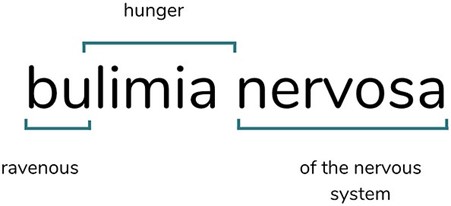
Which best describes a characteristic of bulimia nervosa?
A. Always avoiding social gatherings and family meals
Avoiding social gatherings and family meals is a characteristic of social anxiety disorder, not bulimia nervosa.
B. Bingeing on unhealthy food and purging after, to induce vomiting.
Bulimia nervosa is an eating disorder characterized by recurrent episodes of binge eating followed by inappropriate compensatory behaviors such as self-induced vomiting, misuse of laxatives or diuretics, fasting, or excessive exercise. Binge eating refers to the consumption of an abnormally large amount of food within a short period, accompanied by a feeling of loss of control overeating. After bingeing, individuals with bulimia nervosa feel guilty, ashamed, and anxious about their behavior, and try to compensate by purging. Options a, c, and d are incorrect as they do not accurately describe the characteristic features of bulimia nervosa.
C. Restricting caloric intake all the time
Restricting caloric intake all the time is a characteristic of anorexia nervosa, a different type of eating disorder.
D. Following a very strict diet and exercise program
Following a strict diet and exercise program is not necessarily a characteristic of bulimia nervosa, although some individuals with bulimia nervosa may engage in excessive exercise as a compensatory behavior.
This question is an excerpt from Nurse Dive's nursing test bank - Mental Health - Proctored Exam 2. Take the full exam now
Full Explanation
Bulimia nervosa is an eating disorder characterized by recurrent episodes of binge eating followed by inappropriate compensatory behaviors such as self-induced vomiting, misuse of laxatives or diuretics, fasting, or excessive exercise. Binge eating refers to the consumption of an abnormally large amount of food within a short period, accompanied by a feeling of loss of control overeating. After bingeing, individuals with bulimia nervosa feel guilty, ashamed, and anxious about their behavior, and try to compensate by purging.
Options a, c, and d are incorrect as they do not accurately describe the characteristic features of bulimia nervosa.
Avoiding social gatherings and family meals is a characteristic of social anxiety disorder, not bulimia nervosa. Restricting caloric intake all the time is a characteristic of anorexia nervosa, a different type of eating disorder. Following a strict diet and exercise program is not necessarily a characteristic of bulimia nervosa, although some individuals with bulimia nervosa may engage in excessive exercise as a compensatory behavior.
Similar Questions
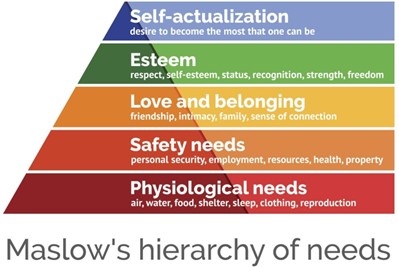
A nurse uses Maslow’s hierarchy of needs to plan care for a psychotic patient. Which problem will receive higher priority? The patient who:
Select one:
A. needs to be taught about medication action and side effects.
B. refuses to eat or bathe.
According to Maslow’s hierarchy of needs, physiological needs such as food and hygiene are the most basic and fundamental needs that must be met before higher-level needs can be addressed. Therefore, a patient who refuses to eat or bathe would receive higher priority in care planning.
C. reports feelings of alienation from family.
D. is reluctant to participate in unit social activities.
Full Explanation
According to Maslow’s hierarchy of needs, physiological needs such as food and hygiene are the most basic and fundamental needs that must be met before higher-level needs can be addressed. Therefore, a patient who refuses to eat or bathe would receive higher priority in care planning.
A single parent is experiencing feelings of inadequacy related to work and family since one teenaged child ran away 2 weeks ago. The parent seeks the help of a therapist specializing in cognitive therapy. The psychotherapist who uses cognitive therapy will treat the client by:
Select one:
A. helping the patient how to identify and change faulty thinking
Cognitive therapy is a type of psychotherapy that focuses on identifying and changing negative thought patterns and beliefs that contribute to psychological distress. In this case, the single parent is experiencing feelings of inadequacy related to work and family since one teenaged child ran away 2 weeks ago. The cognitive therapist would work with the client to identify any negative or distorted thoughts they may be having about themselves, their situation, and their ability to cope. Through cognitive therapy, the therapist would help the client learn how to challenge and change their negative thoughts and beliefs, replacing them with more realistic and positive ones. The goal of cognitive therapy is to help the client develop new coping skills and ways of thinking that will enable them to better manage their emotions and improve their overall well-being.
B. negatively reinforcing an undesirable behavior every day to avoid-it
Option b, negatively reinforcing an undesirable behavior every day to avoid it, is not a component of cognitive therapy. This approach is more aligned with behavioral therapy, which focuses on modifying behaviors through reinforcement and punishment.
C. focusing on conscious mental processes
Option c, focusing on conscious mental processes, is partially correct, as cognitive therapy does focus on conscious mental processes. However, this alone does not fully capture the essence of cognitive therapy.
D. always discussing Freud ego stages
Option d, always discussing Freud ego stages, is not relevant to cognitive therapy, as it is a psychoanalytic approach developed by Freud that focuses on the unconscious mind and early childhood experiences.
Full Explanation
Cognitive therapy is a type of psychotherapy that focuses on identifying and changing negative thought patterns and beliefs that contribute to psychological distress. In this case, the single parent is experiencing feelings of inadequacy related to work and family since one teenaged child ran away 2 weeks ago. The cognitive therapist would work with the client to identify any negative or distorted thoughts they may be having about themselves, their situation, and their ability to cope.
Through cognitive therapy, the therapist would help the client learn how to challenge and change their negative thoughts and beliefs, replacing them with more realistic and positive ones. The goal of cognitive therapy is to help the client develop new coping skills and ways of thinking that will enable them to better manage their emotions and improve their overall well-being.
Option b, negatively reinforcing an undesirable behavior every day to avoid it, is not a component of cognitive therapy. This approach is more aligned with behavioral therapy, which focuses on modifying behaviors through reinforcement and punishment.
Option c, focusing on conscious mental processes, is partially correct, as cognitive therapy does focus on conscious mental processes. However, this alone does not fully capture the essence of cognitive therapy.
Option d, always discussing Freud ego stages, is not relevant to cognitive therapy, as it is a psychoanalytic approach developed by Freud that focuses on the unconscious mind and early childhood experiences.
A client is diagnosed with cancer and is told that surgery followed by chemotherapy will be necessary. The client states to the nurse, "l have read a lot about complementary therapies. Do you think I should try any?" The nurse should respond by making which appropriate statement?
Select one:
A. "Let's talk more about the different forms of complementary therapies."
This response acknowledges the client's interest in complementary therapies and opens up a conversation about the different types available. It also allows the nurse to provide education and information about the potential benefits and risks of complementary therapies and how they may interact with the planned treatment.
B. "l really don't know, you need to ask your health care provider about it"
C. "If I were you, I would try anything that I could if I had cancer."
D. "No, because complementary therapies always interact with the chemotherapy."
Full Explanation
This response acknowledges the client's interest in complementary therapies and opens up a conversation about the different types available. It also allows the nurse to provide education and information about the potential benefits and risks of complementary therapies and how they may interact with the planned treatment.