
Nursing practice questions with comprehensive rationales
NurseDive Free Nursing Practice Question
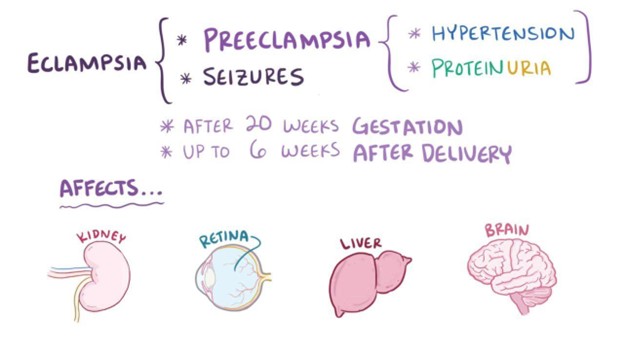
Which compound would the nurse have readily available for a client who is receiving magnesium sulfate to treat severe preeclampsia?
A. Ferrous sulfate
Reason: This is incorrect because ferrous sulfate is an iron supplement that is used to treat or prevent iron-deficiency anemia. It has no effect on magnesium sulfate, which is a medication that lowers blood pressure and prevents seizures in severe preeclampsia.
B. Potassium chloride
Reason: This is incorrect because potassium chloride is an electrolyte supplement that is used to treat or prevent low levels of potassium in the blood. It has no effect on magnesium sulfate, which can cause hypermagnesemia, or high levels of magnesium in the blood.
C. Calcium carbonate
Reason: This is incorrect because calcium carbonate is an antacid that is used to treat or prevent heartburn, indigestion, or calcium deficiency. It has no effect on magnesium sulfate, which can cause hypocalcemia, or low levels of calcium in the blood.
D. Calcium gluconate
Reason: This is correct because calcium gluconate is an antidote that is used to treat magnesium toxicity, which can occur when magnesium sulfate is given in high doses or for prolonged periods. Calcium gluconate reverses the effects of magnesium sulfate on the neuromuscular and cardiovascular systems, such as muscle weakness, respiratory depression, cardiac arrhythmias, or cardiac arrest.
This question is an excerpt from Nurse Dive's nursing test bank - Ati Maternal Newborn 4 Proctored Exam. Take the full exam now
Full Explanation
Choice A Reason: This is incorrect because ferrous sulfate is an iron supplement that is used to treat or prevent iron-deficiency anemia. It has no effect on magnesium sulfate, which is a medication that lowers blood pressure and prevents seizures in severe preeclampsia.
Choice B Reason: This is incorrect because potassium chloride is an electrolyte supplement that is used to treat or prevent low levels of potassium in the blood. It has no effect on magnesium sulfate, which can cause hypermagnesemia, or high levels of magnesium in the blood.
Choice C Reason: This is incorrect because calcium carbonate is an antacid that is used to treat or prevent heartburn, indigestion, or calcium deficiency. It has no effect on magnesium sulfate, which can cause hypocalcemia, or low levels of calcium in the blood.
Choice D Reason: This is correct because calcium gluconate is an antidote that is used to treat magnesium toxicity, which can occur when magnesium sulfate is given in high doses or for prolonged periods. Calcium gluconate reverses the effects of magnesium sulfate on the neuromuscular and cardiovascular systems, such as muscle weakness, respiratory depression, cardiac arrhythmias, or cardiac arrest.
Similar Questions
A woman comes to the prenatal clinic suspecting that she is pregnant, and assessment reveals probable signs of pregnancy. Which findings would the nurse most likely assess? Select all that apply.
A. Ultrasound visualization of the fetus
Choice A Reason: This is incorrect because ultrasound visualization of the fetus is a positive sign of pregnancy, not a probable sign. A positive sign of pregnancy is a direct and definitive evidence of the presence of a fetus, such as fetal movement felt by the examiner or fetal heart sounds heard by a Doppler device.
B. Softening of the cervix
Choice B Reason: This is correct because softening of the cervix, also known as Goodell's sign, is a probable sign of pregnancy. A probable sign of pregnancy is a strong indication of pregnancy based on physical changes in the reproductive organs, such as enlargement of the uterus or changes in the shape and consistency of the cervix.
C. Positive pregnancy test
Choice C Reason: This is correct because a positive pregnancy test, which detects human chorionic gonadotropin (hCG) in urine or blood, is a probable sign of pregnancy. However, it is not a conclusive sign, as hCG can also be produced by other conditions such as ectopic pregnancy, molar pregnancy, or trophoblastic tumors.
D. Absence of menstruation
Choice D Reason: This is correct because absence of menstruation, also known as amenorrhea, is a probable sign of pregnancy. It occurs when ovulation and menstruation cease due to hormonal changes during pregnancy. However, it is not a definitive sign, as amenorrhea can also be caused by other factors such as stress, illness, or hormonal imbalances.
E. Ballottement
Choice E Reason: This is correct because ballottement, which is a rebounding of the fetus against the examiner's fingers during a pelvic examination, is a probable sign of pregnancy. It can be felt around 16 to 20 weeks of gestation.
F. Auscultation of a fetal heart beat
Choice F Reason: This is incorrect because auscultation of a fetal heart beat, which can be heard by a fetoscope around 18 to 20 weeks of gestation or by a Doppler device around 10 to 12 weeks of gestation, is a positive sign of pregnancy, not a probable sign.
Full Explanation
Choice A Reason: This is incorrect because ultrasound visualization of the fetus is a positive sign of pregnancy, not a probable sign. A positive sign of pregnancy is a direct and definitive evidence of the presence of a fetus, such as fetal movement felt by the examiner or fetal heart sounds heard by a Doppler device.
Choice B Reason: This is correct because softening of the cervix, also known as Goodell's sign, is a probable sign of pregnancy. A probable sign of pregnancy is a strong indication of pregnancy based on physical changes in the reproductive organs, such as enlargement of the uterus or changes in the shape and consistency of the cervix.
Choice C Reason: This is correct because a positive pregnancy test, which detects human chorionic gonadotropin (hCG) in urine or blood, is a probable sign of pregnancy. However, it is not a conclusive sign, as hCG can also be produced by other conditions such as ectopic pregnancy, molar pregnancy, or trophoblastic tumors.
Choice D Reason: This is correct because absence of menstruation, also known as amenorrhea, is a probable sign of pregnancy. It occurs when ovulation and menstruation cease due to hormonal changes during pregnancy. However, it is not a definitive sign, as amenorrhea can also be caused by other factors such as stress, illness, or hormonal imbalances.
Choice E Reason: This is correct because ballottement, which is a rebounding of the fetus against the examiner's fingers during a pelvic examination, is a probable sign of pregnancy. It can be felt around 16 to 20 weeks of gestation.
Choice F Reason: This is incorrect because auscultation of a fetal heart beat, which can be heard by a fetoscope around 18 to 20 weeks of gestation or by a Doppler device around 10 to 12 weeks of gestation, is a positive sign of pregnancy, not a probable sign.
Assessment of a pregnant woman and her fetus reveals tachycardia and hypertension. There is also evidence suggesting vasoconstriction. The nurse would question the woman about use of which substance?
A. Marijuana
Reason: This is incorrect because marijuana is a psychoactive substance that affects the central nervous system and can cause euphoria, relaxation, altered perception, and impaired memory. It does not cause tachycardia, hypertension, or vasoconstriction in pregnant women or their fetuses.
B. Cocaine
Reason: This is correct because cocaine is a stimulant substance that affects the cardiovascular system and can cause tachycardia, hypertension, vasoconstriction, arrhythmias, and ischemia in pregnant women or their fetuses. It can also increase the risk of placental abruption, preterm labor, intrauterine growth restriction, and fetal death.
C. Nicotine
Reason: This is incorrect because nicotine is a stimulant substance that affects the respiratory system and can cause bronchodilation, increased heart rate, and increased blood pressure in pregnant women or their fetuses. However, it does not cause vasoconstriction, but rather vasodilation.
D. Caffeine
Reason: This is incorrect because caffeine is a stimulant substance that affects the central nervous system and can cause alertness, insomnia, anxiety, and increased urine output in pregnant women or their fetuses. It does not cause tachycardia, hypertension, or vasoconstriction in moderate doses.
E. Heroin
Choice E Reason: This is incorrect because heroin is an opioid substance that affects the central nervous system and can cause euphoria, sedation, analgesia, and respiratory depression in pregnant women or their fetuses. It does not cause tachycardia, hypertension, or vasoconstriction.
Full Explanation
Choice A Reason: This is incorrect because marijuana is a psychoactive substance that affects the central nervous system and can cause euphoria, relaxation, altered perception, and impaired memory. It does not cause tachycardia, hypertension, or vasoconstriction in pregnant women or their fetuses.
Choice B Reason: This is correct because cocaine is a stimulant substance that affects the cardiovascular system and can cause tachycardia, hypertension, vasoconstriction, arrhythmias, and ischemia in pregnant women or their fetuses. It can also increase the risk of placental abruption, preterm labor, intrauterine growth restriction, and fetal death.
Choice C Reason: This is incorrect because nicotine is a stimulant substance that affects the respiratory system and can cause bronchodilation, increased heart rate, and increased blood pressure in pregnant women or their fetuses. However, it does not cause vasoconstriction, but rather vasodilation.
Choice D Reason: This is incorrect because caffeine is a stimulant substance that affects the central nervous system and can cause alertness, insomnia, anxiety, and increased urine output in pregnant women or their fetuses. It does not cause tachycardia, hypertension, or vasoconstriction in moderate doses.
Choice E Reason: This is incorrect because heroin is an opioid substance that affects the central nervous system and can cause euphoria, sedation, analgesia, and respiratory depression in pregnant women or their fetuses. It does not cause tachycardia, hypertension, or vasoconstriction.
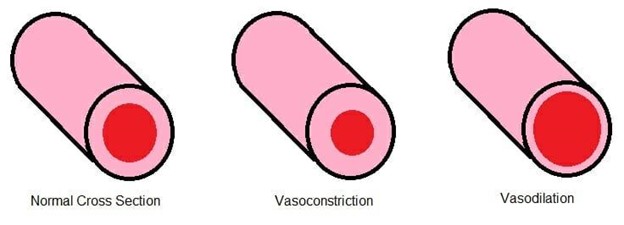
A woman hospitalized with severe preeclampsia is being treated with hydralazine to control blood pressure. Which finding would lead the nurse to suspect that the client is having an adverse effect associated with this drug?
A. Gastrointestinal bleeding
Reason: This is incorrect because gastrointestinal bleeding is not an adverse effect of hydralazine, which is a vasodilator that lowers blood pressure by relaxing the smooth muscles of the blood vessels. Gastrointestinal bleeding can be caused by other conditions such as ulcers, gastritis, or hemorrhoids.
B. Sweating
Reason: This is incorrect because sweating is not an adverse effect of hydralazine, but a normal response to vasodilation and heat loss. Sweating can also be caused by other factors such as fever, anxiety, or exercise.
C. Tachycardia
Reason: This is correct because tachycardia is an adverse effect of hydralazine, which can occur as a reflex response to vasodilation and hypotension. Tachycardia can increase the cardiac workload and oxygen demand, which can be harmful for pregnant women with preeclampsia who already have impaired placental perfusion and fetal hypoxia.
D. Blurred vision
Reason: This is incorrect because blurred vision is not an adverse effect of hydralazine, but a symptom of severe preeclampsia that indicates cerebral edema or ischemia. Blurred vision can also be caused by other conditions such as diabetes, glaucoma, or cataracts.
Full Explanation
Choice A Reason: This is incorrect because gastrointestinal bleeding is not an adverse effect of hydralazine, which is a vasodilator that lowers blood pressure by relaxing the smooth muscles of the blood vessels. Gastrointestinal bleeding can be caused by other conditions such as ulcers, gastritis, or hemorrhoids.
Choice B Reason: This is incorrect because sweating is not an adverse effect of hydralazine, but a normal response to vasodilation and heat loss. Sweating can also be caused by other factors such as fever, anxiety, or exercise.
Choice C Reason: This is correct because tachycardia is an adverse effect of hydralazine, which can occur as a reflex response to vasodilation and hypotension. Tachycardia can increase the cardiac workload and oxygen demand, which can be harmful for pregnant women with preeclampsia who already have impaired placental perfusion and fetal hypoxia.
Choice D Reason: This is incorrect because blurred vision is not an adverse effect of hydralazine, but a symptom of severe preeclampsia that indicates cerebral edema or ischemia. Blurred vision can also be caused by other conditions such as diabetes, glaucoma, or cataracts.